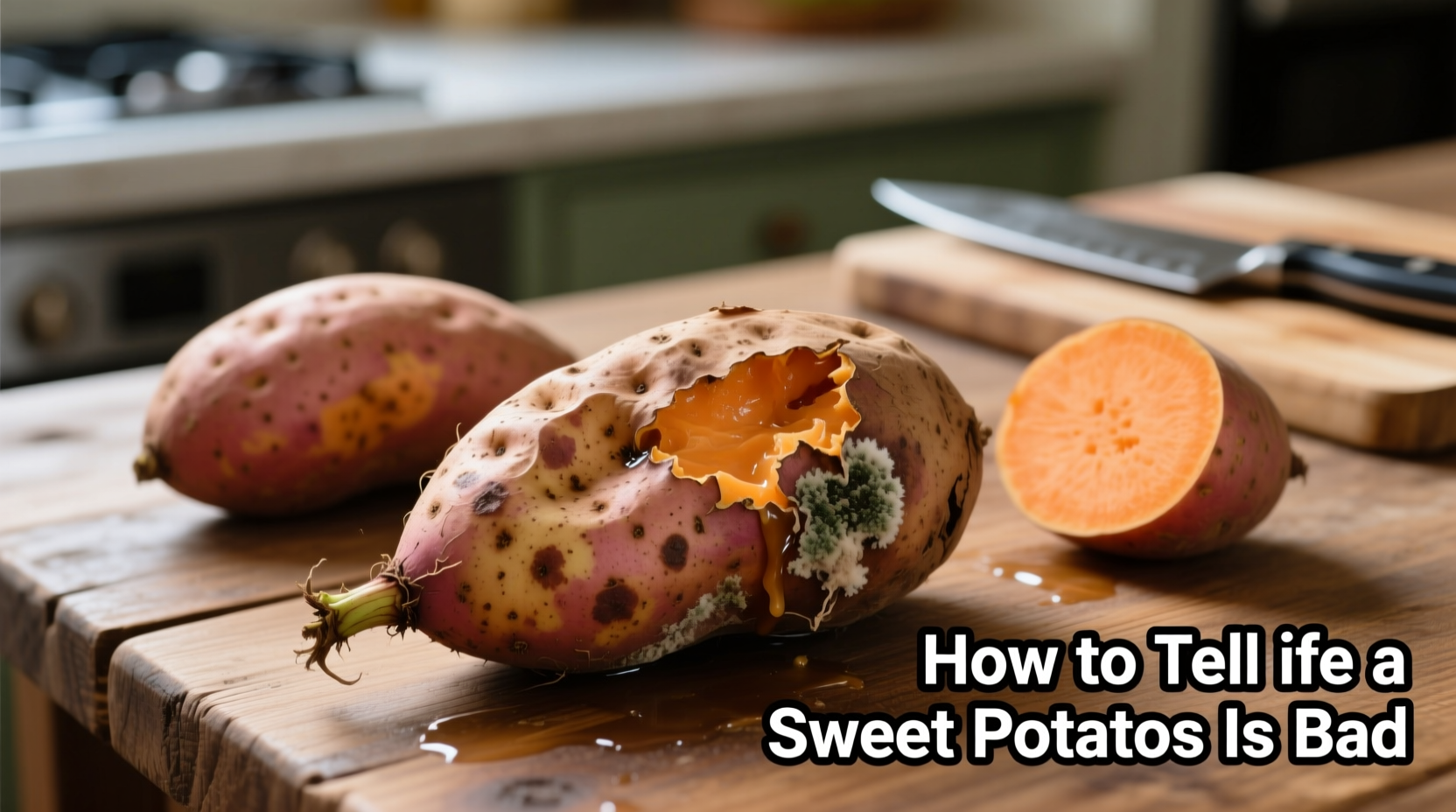
How To Tell If A Sweet Potato Is Bad

Let’s be honest: there aren’t many things more satisfying than pulling a perfectly roasted sweet potato out of the oven—that caramelized edge, the soft, buttery inside. But wi...
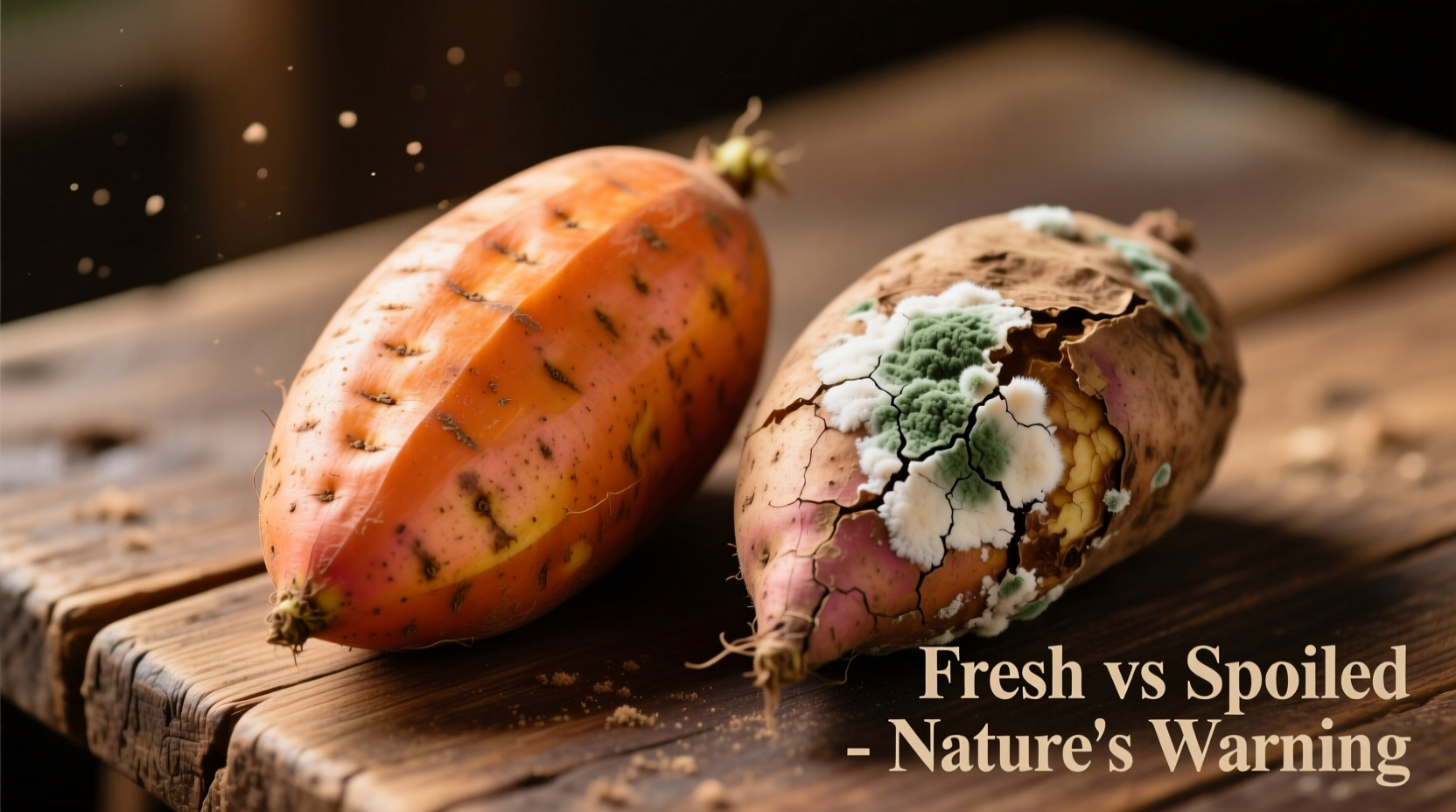
Let’s be honest: there aren’t many things more satisfying than pulling a perfectly roasted sweet potato out of the oven—that caramelized edge, the soft, buttery inside. But with great root vegetables comes great responsibility. Knowing when a sweet potato has gone bad is one of those practical kitchen skills that saves you from a disappointing meal and, more importantly, from a potential stomachache. This little bit of knowledge is especially useful if you’re a meal-prepper, a busy parent, or just someone who buys in bulk and then forgets about the basket. It’s not just about avoiding food waste; it’s about enjoying your sweet potatoes at their peak flavor and texture. After all, a bad sweet potato can ruin a stew, a mash, or even a batch of fries.
The first and most obvious sign is a change in the surface. A fresh sweet potato should feel firm and solid, like a rock you pulled from the garden. If you give it a gentle squeeze and it feels soft or squishy, especially near the ends, that’s bad news. Soft spots indicate that moisture has started to break down the inner flesh, which often leads to rot. Pass on any potato that yields easily to pressure, like a stress ball. A little give is normal, but if it feels like a marshmallow, toss it.
Next, check the skin for wrinkles and shriveling. A healthy sweet potato stays plump because its skin holds in moisture. As it ages and dries out, the skin loses its elasticity and starts to look like a prune or a raisin. While a slightly wrinkled potato isn’t dangerous—you can still eat it—the flavor and texture will be compromised. It will taste overly fibrous and woody, not sweet and creamy. If the shriveling is deep and the potato feels light for its size, it’s past its prime.
Must Read
Now, let’s talk about cracks, sprouts, and the dreaded discolored liquid. Small cracks on the surface are often just from growth, but if you see sticky or crusty white sap oozing out, that’s normal for some varieties. However, if you notice dark, damp spots or any oozing liquid that looks like it’s leaking rot, that’s a definite red flag. Also, look for sprouting. Tiny sprouts are common in older potatoes and are safe to remove and eat (though the potato might be less sweet). But if the sprouts are long, green, and accompanied by a strong, musty odor, the potato has begun to spoil and should be discarded.
Once you cut into a sweet potato, the story becomes crystal clear. A fresh sweet potato has a vibrant orange or deep yellow flesh with no dark spots. If you see brown, black, or gray patches inside, you’re looking at decay. Sometimes a potato suffers from “black rot”, which appears as hard, dark rings or spots. These aren’t just cosmetic; they can impart a bitter, chemical taste. Trust your eyes: if the inside doesn’t look like the sunny color you expect, don’t try to salvage it. Cut away any small blemishes if they’re small, but widespread discoloration means it’s time for the compost bin.
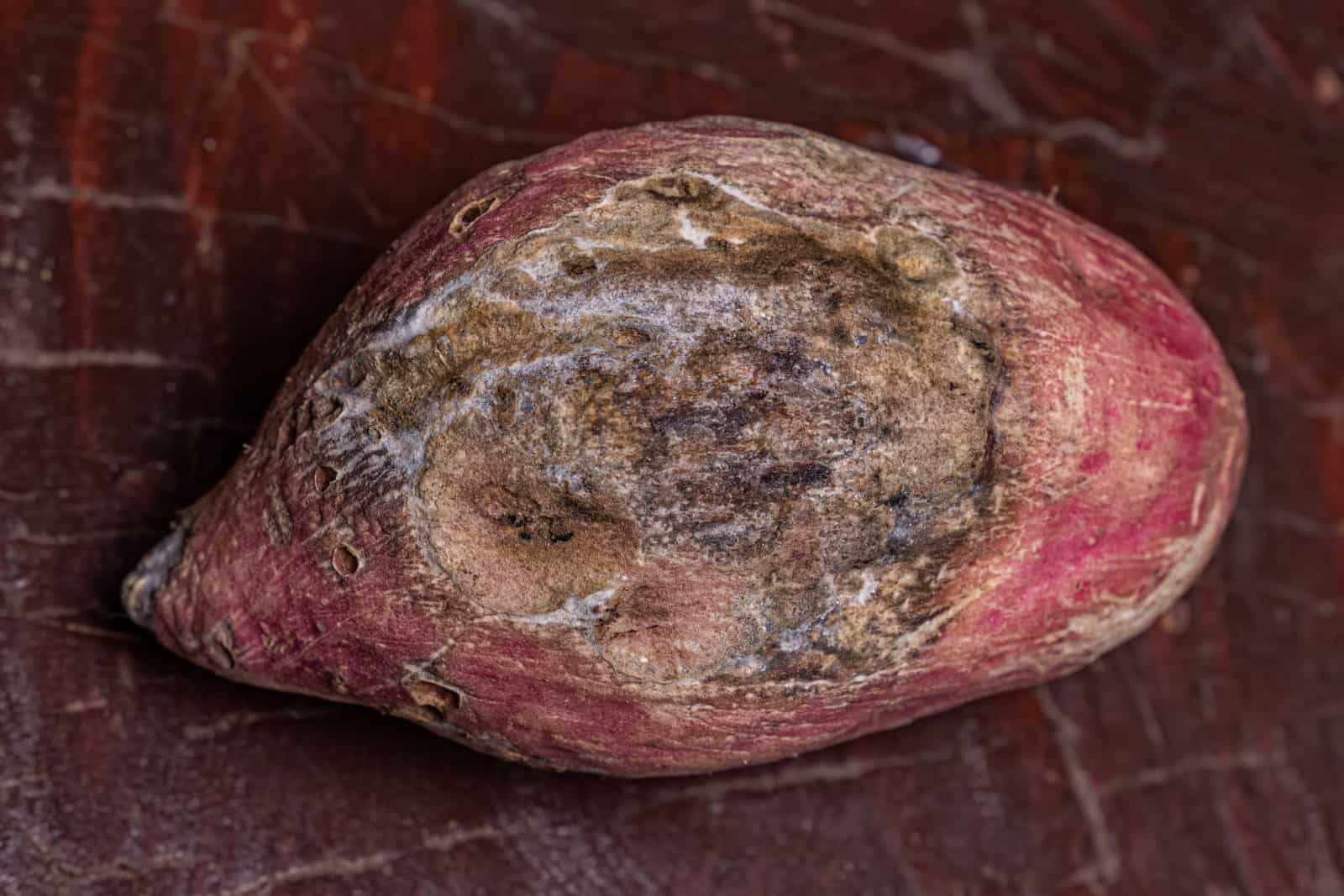 8 Ways How To Tell If A Sweet Potato Is Bad
Finally, never underestimate your nose. A fresh sweet potato smells like earthy vegetables and clean dirt. Take a sniff—especially near the ends or any soft spots. If you catch a whiff of something sour, moldy, or like a damp basement, that’s a clear biological warning. That smell is caused by bacteria or fungi breaking down the potato’s sugars. Even if it looks okay on the outside, a strong, unpleasant odor is your sign to throw it away without a second thought. You can’t cook that smell out.
To get the most out of your sweet potatoes, store them in a cool, dark, and well-ventilated place—never in the fridge, as cold turns their starches harsh. A pantry or a paper bag in a cupboard works perfectly. Check them every week, using the ones that feel slightly soft first. With these simple tips, you’ll never suffer a bad sweet potato surprise, and you’ll always have that perfect, sweet, tender root ready for your next dinner.