How To Store Fresh Caught Fish In Fridge

So, you’ve finally done it. You wrestled with a rogue fishing line, maybe fell out of the boat (just me?), and actually caught a fish. Congratulations! You’re basically a mode...

So, you’ve finally done it. You wrestled with a rogue fishing line, maybe fell out of the boat (just me?), and actually caught a fish. Congratulations! You’re basically a modern-day Aquaman. But now comes the part that separates the pros from the “oops, that smells weird” crowd: getting that beautiful, slippery prize into your fridge without turning it into a science experiment you’ll regret. Don’t worry—I’ve got your back, and your nose.
First things first: act fast. Fish are like the divas of the food world. The moment they leave the water, the clock starts ticking. If you can, bleed the fish immediately by cutting the gills or tail and letting it hang in cold water. It sounds grim, but trust me—this step keeps the flesh clean and mild, not “what died in here?” fishy. I usually apologize to the fish and remind it that it’s about to become a very fancy meal.
Once you’re home (and maybe after a triumphant photo for the ’gram), you need to get that fish on ice—literally. But not just any ice! Crushed ice is your best friend here. It molds around the fish, creating a chilly hug that keeps the temperature consistently between 32°F and 39°F. Avoid big ice cubes—they leave air pockets, and air is the enemy. Air speeds up spoilage and turns your fish into a dried-out leather shoe. Not appetizing.
Must Read
Now, let’s talk about the prep. Rinse your catch under cold running water to remove slime, mud, or any seaweed souvenirs. Pat it dry with paper towels (don’t rub—be gentle, like you’re drying a baby lamb). Next, wrap it in plastic wrap or place it in a resealable bag, squeezing out every last bubble of air. Think of it as vacuum-sealing your fish’s future happiness. If you want to go the extra mile, put the wrapped fish on a bed of crushed ice in a shallow dish, then cover it with more ice. Drain the melted water daily—or just use a colander inside a bowl, the MacGyver way.
 How To Store Fresh Caught Fish In Fridge | Storables
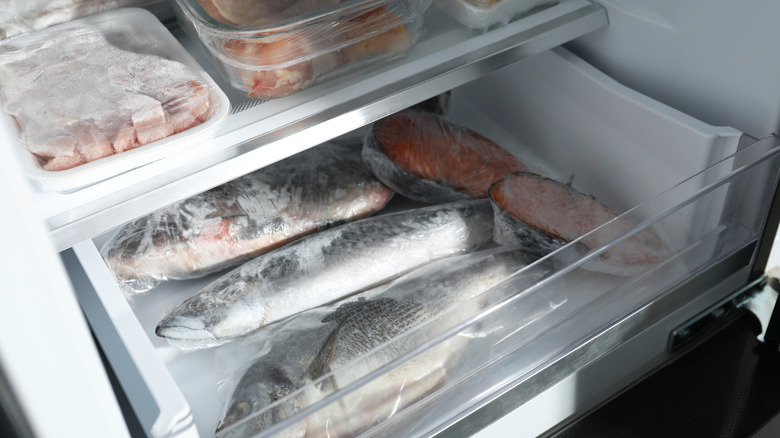
When should you cook it? Ideally, within two days. Fresh fish is like that friend who’s amazing but gets cranky after 48 hours. If you’re not cooking it by then, wrap it tightly (double-wrap it—no shame) and toss it in the freezer. Your future self will thank you when it’s a rainy Wednesday and you have a ready-to-go dinner.
Here’s a little secret: trust your nose. I know that sounds obvious, but fresh fish smells like the ocean—clean, briny, a bit like a sea breeze. If it smells “fishy” (that ammonia-like punch), it’s already waved goodbye to freshness. Don’t try to mask it with lemon or garlic; that’s like putting lipstick on a pig. Just pitch it, learn the lesson, and try again.
 How To Pick The Freshest Fish At Costco Every Time
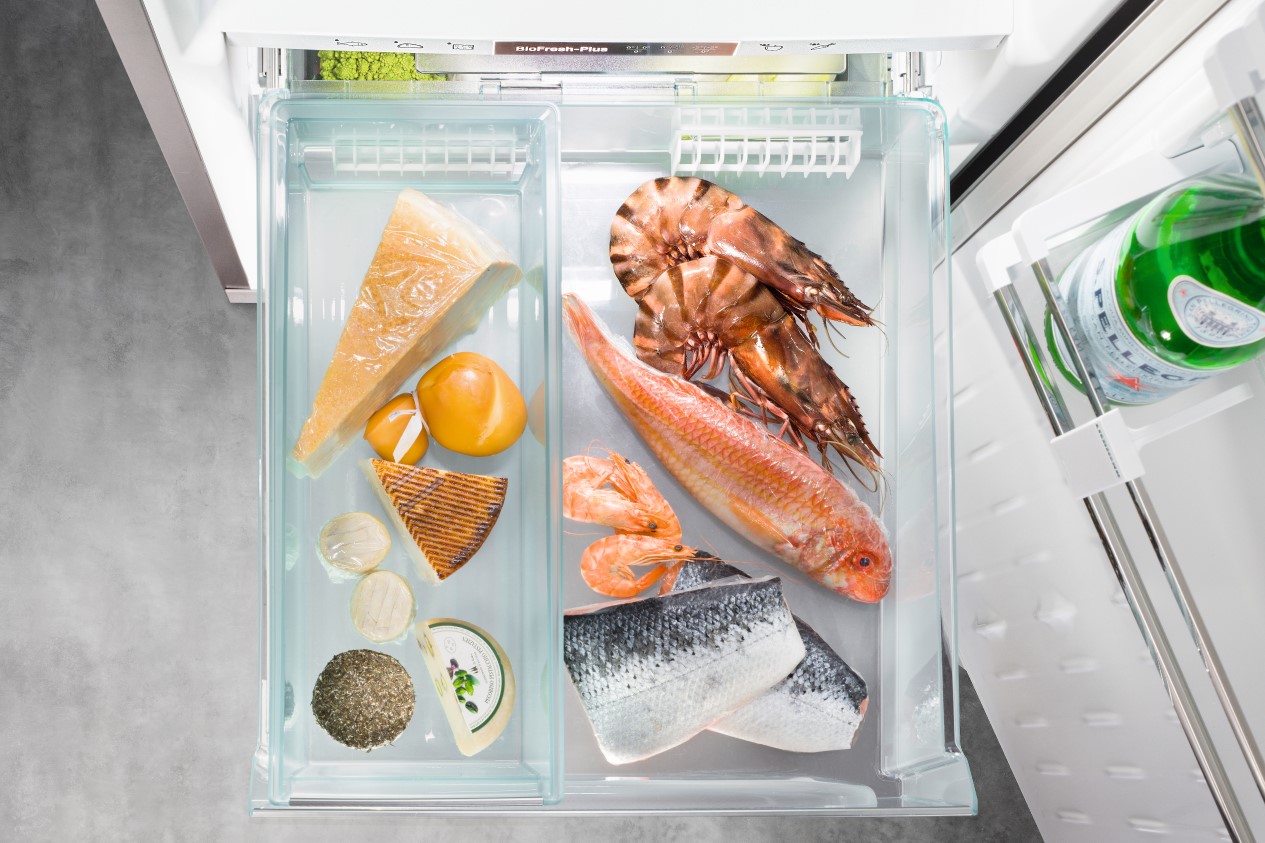
And one more thing: don’t store your fish next to the milk or the berries. Fish is a little bit of a drama queen—it’ll absorb every odor in there. Give it its own shelf, preferably near the back (the coldest spot in the fridge). Your egg carton doesn’t need to know about your halibut adventures.
Look, storing fish isn’t rocket science—it’s just a little bit of love and a lot of ice. The next time you pull a perfectly cooked fillet out of the pan, you’ll smile and think, “I did that.” And you’ll taste the victory. So go ahead, be the hero of your own kitchen. Your fridge smells fresh, your fish tastes amazing, and somewhere, that lucky fish is nodding in appreciation (or whatever fish do in the afterlife). Now, go make yourself a salmon burger and raise a toast to the catch of the day—literally.
