How To Research Crown Family Royal Ties?

So, you’ve decided you want to dive into the royal gene pool and see if you’ve got a secret crown prince or a disgraced duchess hiding in your family tree. Maybe you just bing...
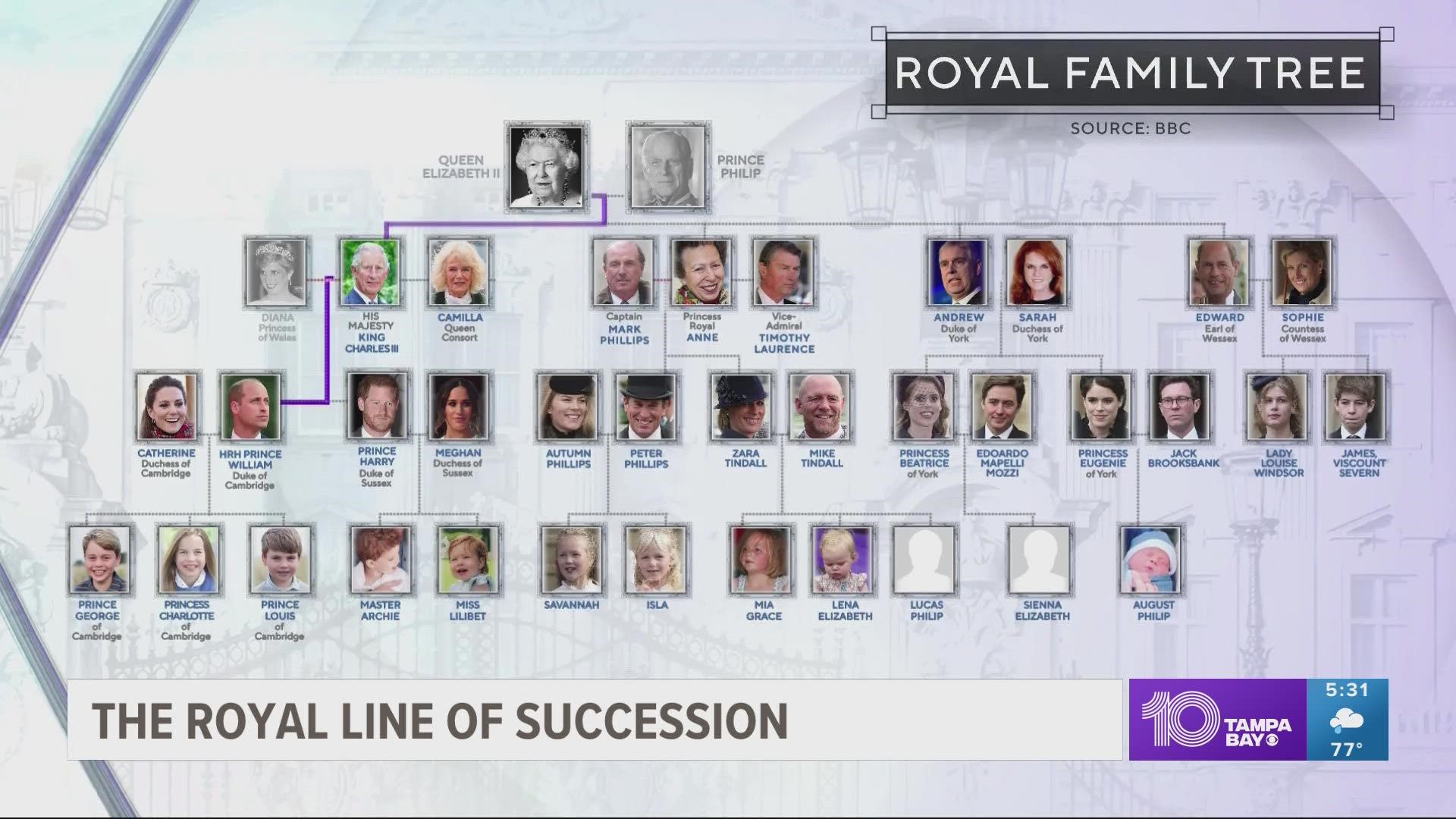
So, you’ve decided you want to dive into the royal gene pool and see if you’ve got a secret crown prince or a disgraced duchess hiding in your family tree. Maybe you just binged The Crown for the third time, or perhaps your great-aunt Mabel swears you’re “descended from a count.” Let’s be real: we’ve all been there. But researching royal ties isn’t just about wearing a tiara in your living room (though that’s a valid hobby). It’s about detective work, a sprinkle of luck, and not getting too carried away by that one ancestor who “totally looked like royalty.”
First, get your own house in order. Before you start hunting for King Richard III’s lost cousin, you need to know your grandparents’ middle names. I know, thrilling. But start with family interviews. Call your weird uncle. Ask your grandmother while she’s still lucid (and while she’s got her photo albums out). Write down names, dates, and every wild family legend. Did someone’s family flee a revolution? Did a mysterious "Lady So-and-So" marry a farmer? That’s your goldmine. Jot it all down—even the stuff that sounds like a plot from a soap opera. Especially that.
Next, hit the digital archives, but don’t expect a fairy godmother to appear. Websites like Ancestry.com and FamilySearch are your best friends, but also your worst enemies—they’ll cost you a few bucks and a lot of patience. Look for census records, birth certificates, and marriage licenses. Royal historians live for these things. If you find a "McDonald" listed as "landed gentry" in an 1800s Scottish census? Wiggle your eyebrows. That’s a clue. Also, check out Burke’s Peerage and Debrett’s—those are basically the bibles of royal connections. They’re like the Vogue of ancestor tracking, but with more coats of arms and fewer handbags.
Must Read
Now, here’s where it gets fun: cross-reference like a maniac. You’ve found a John Smith born in 1780 in a castle town. Great! Now see if that John Smith is the same John Smith who was a duke’s steward—or, you know, the duke himself. Many royal families had "illegitimate branches" (a fancy way of saying oops-a-daisy babies). Those branches are often hiding in plain sight with slightly altered surnames or odd baptism records. The Hapsburgs? They were a mess. The Tudors? Same. Everyone had secrets. Your job is to become a tiny, cute spy.
Don’t forget local history societies and old news clippings. Newspapers.com is a treasure chest of society columns that wrote, “Lady Margaret arrived at the ball with a mysterious mister.” If your ancestor’s name pops up next to a “Lord” or “Sir,” scream into a pillow (in a good way). Also, try reaching out to royal genealogy forums. There are people who treat this like a competitive sport. They love helping a newbie find their long-lost count. Just be nice, and don’t lead with, “I think I’m related to Queen Elizabeth II.” That’s like saying you’re a lizard person. Pace yourself.
 How To Address Royalties , A Beginner’s Guide to Understanding Oil and
Finally, manage your expectations. Honestly? Most of us are descended from peasants who were very good at farming potatoes. And that’s wonderful! But if you do find a royal tie—say, a fifth cousin twice removed from a minor Bavarian prince—celebrate it. You’ve earned that. Print out the family tree, frame it, and put it next to your nightstand. Tell your friends at parties. When they roll their eyes, just say, “Well, excuse me for having noble blood in my coffee.”
So go on. Uncover those dusty coronets. Embrace the weird uncle who has all the letters. And remember: you’re already a king or queen of your own story. Royal ties or not, your history is packed with resilience, love, and probably a few scandals. And honestly? That’s better than any tiara.
