How To Reheat Frozen Enchiladas

There is a profound comfort in knowing that a tray of homemade or store-bought enchiladas is waiting in the freezer. This is the quiet hero of meal prep—a dish that transforms...

There is a profound comfort in knowing that a tray of homemade or store-bought enchiladas is waiting in the freezer. This is the quiet hero of meal prep—a dish that transforms a chaotic Tuesday night into a mini celebration of flavor. Whether you’ve rolled them yourself with shredded chicken and green sauce or grabbed a frozen box from the store, enchiladas offer a complete, saucy, and cheesy meal in one dish. The key to preserving that magic lies not in the freezing, but in the reheating. A poorly reheated enchilada can be a sad, soggy affair, but with the right technique, you can restore its saucy warmth and slightly crisp edges, making it taste almost as good as the day it was made.
The first and most important principle is to avoid the microwave at all costs. While it is fast, the microwave murders the texture of frozen enchiladas. The tortillas turn into a rubbery, gummy mess, the cheese becomes tough and separate, and the sauce often boils into a watery puddle. Instead, embrace the oven. The oven’s gentle, dry heat is the only way to reheat enchiladas evenly, melting the cheese from the inside out while allowing the sauce to rehydrate the tortillas without making them mushy. This method takes more time, but it rewards you with a dish that retains its structural integrity and deep, layered flavor.
Begin by preheating your oven to 350°F (175°C). While it heats, transfer your frozen enchiladas—still frozen—directly into an oven-safe baking dish. Do not thaw them first; thawing leads to a soggy bottom. To prevent the top from drying out, cover the dish tightly with aluminum foil. This creates a steamy environment that gently reheats the center without burning the edges. For extra insurance against dryness, you can spoon a thin layer of additional sauce (a few tablespoons of leftover red or green salsa works perfectly) over the top before covering. This step guarantees the tortillas soften luxuriously.
Must Read
Bake the covered enchiladas for 30 to 35 minutes. During this time, the freezer-cold center will slowly come to temperature. After 30 minutes, carefully remove the foil. The cheese should be melted and bubbly. Now, switch the oven to broil for the final 2 to 3 minutes. This is the secret to greatness: the broiler gives the cheese a golden, slightly charred crust while keeping the inside perfectly hot. Watch it closely—broilers vary wildly, and you want speckled browning, not a blackened mess. Once it emerges, let the dish rest for 5 minutes. This allows the sauce to settle and prevents a burning-hot lava bite.
If you are in a rush, an air fryer offers a superb alternative to the oven. Preheat it to 350°F (175°C). Place frozen enchiladas in the basket in a single layer, leaving space between them. Air fry for 8 to 10 minutes, then check the internal temperature—it should reach 165°F. The air fryer’s rapid air circulation creates an even more crisp-edged tortilla than the oven, but it works best for individual servings. Avoid overcrowding the basket, which traps steam and defeats the purpose. For a cheese-topped finish, add shredded cheese in the last 2 minutes of cooking.
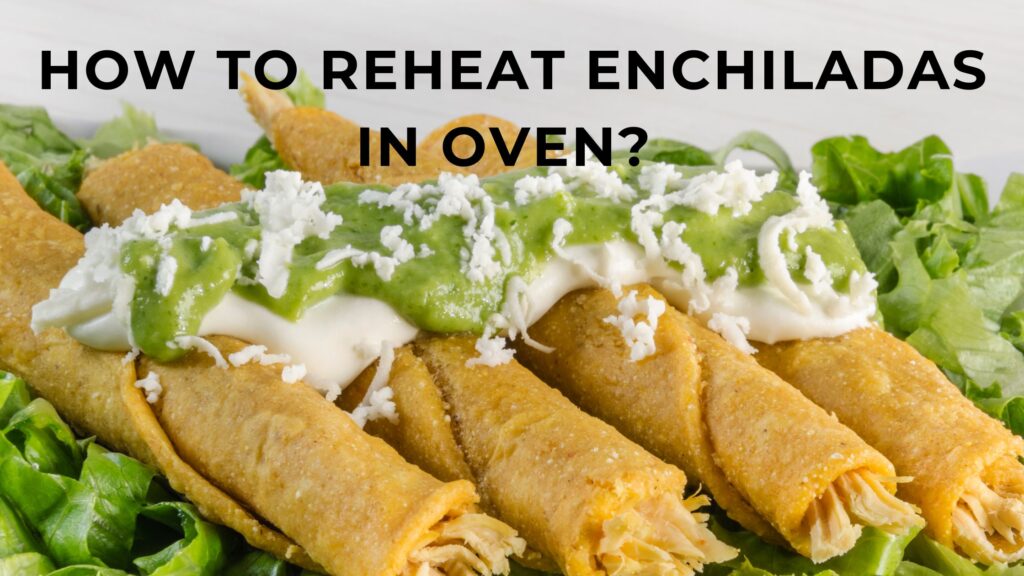 How to reheat enchiladas in the oven? 3 best ways to reheat
For those who plan ahead, a slow cooker can be a game-changer for a big batch. Place the frozen enchiladas in the slow cooker, cover with extra sauce and cheese, and cook on low for 3 to 4 hours. This method is ideal for parties or potlucks because it keeps the enchiladas warm and saucy for hours. However, be warned: the tortillas will be very soft, almost like a casserole. It sacrifices the crispiness that oven-baking provides, but it guarantees a tender, comforting result. Always check that the center is piping hot before serving.
Finally, remember that flavor is in the details. When reheating, consider adding a fresh squeeze of lime, a sprinkle of chopped cilantro, or a dollop of sour cream after they come out of the oven. These bright, fresh elements cut through the richness and bring the dish back to life. Also, if your enchiladas lack sauce, feel free to smother them with a store-bought enchilada sauce before reheating—extra sauce is rarely a bad thing. With these techniques, your frozen enchiladas will never taste frozen again. They will become a reliable, delicious shortcut to a satisfying meal, proving that frozen food, when handled with care, can be just as good as fresh.
![How To Reheat Enchiladas - I Try 4 Methods [Pics] - Pantry & Larder](https://pantryandlarder.com/wp-content/uploads/2021/10/enchiladas-FI-1024x683.jpg)
