How To Reheat A Grilled Cheese

There are few pleasures as simple and profound as biting into a perfectly crispy, golden-brown grilled cheese. The symphony of a buttery, toasted bread exterior giving way to...

There are few pleasures as simple and profound as biting into a perfectly crispy, golden-brown grilled cheese. The symphony of a buttery, toasted bread exterior giving way to a molten, stretchy core of cheese is a cornerstone of comfort food. Whether it is a childhood memory of a rainy afternoon or a quick, satisfying lunch, the grilled cheese holds a special place in culinary hearts. Its key purpose is efficiency and joy: a handful of humble ingredients transform into a warm, filling meal in minutes. For everyday life, it represents a reliable anchor—a dish that requires no special skill yet delivers consistent, tactile happiness. Imagine coming home exhausted after a long day; the prospect of a cold, soggy leftover is a tragedy. The ability to restore that sandwich to its former glory is not just a cooking skill—it is an act of self-care.
The fundamental challenge of reheating a grilled cheese is the battle between moisture and crispness. A microwave, while fast, is the enemy of this delicate balance. It works by exciting water molecules, which turns the bread’s interior into steam and the exterior into a sad, rubbery mess. The cheese may become a molten puddle, but the texture is lost forever. For a truly successful revival, you must avoid the microwave at all costs. Instead, think of your reheating method as a second toast—an opportunity to re-crisp the bread while gently melting the cheese back to its ideal consistency. This requires patience and a tool that delivers dry, even heat.
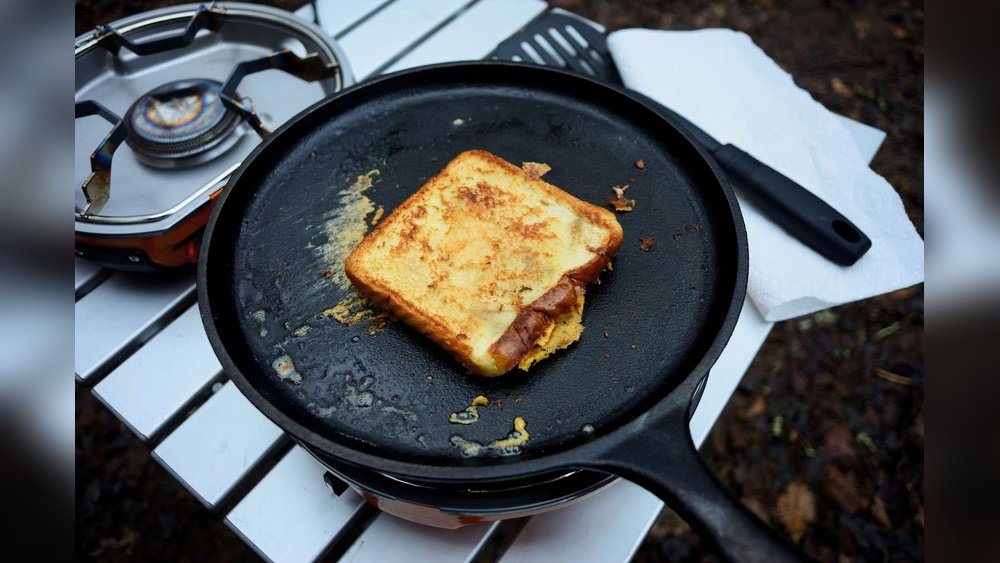
The stovetop method is the gold standard for resurrecting a leftover grilled cheese. Place a non-stick skillet or cast-iron pan over medium-low heat. Do not rush this step. Allow the pan to warm up for a minute or two. Place the sandwich in the dry pan—no extra butter is needed if the bread still has visible grease from its original cooking. Cover the pan with a lid. This traps heat and steam, which helps the cheese re-melt without burning the bread. After about 2–3 minutes, check the bottom; it should be crisp and warm. Flip it carefully and cook the other side, uncovered, for another 2 minutes. The result is a sandwich that tastes remarkably fresh, as if it just came off the griddle.
Must Read
For those seeking an alternative, the oven or toaster oven method offers a reliable, hands-off approach. Preheat your oven to 350°F (175°C). Place the sandwich directly on the oven rack or on a sheet of aluminum foil (for easy cleanup). Bake for 5–7 minutes, flipping halfway through. This method is excellent if you are reheating multiple sandwiches at once. The dry, circulating air ensures the bread becomes uniformly crisp, and the gentle heat gives the cheese time to melt all the way through. The key here is to avoid over-baking; check it at the 5-minute mark to prevent the bread from becoming rock-hard. This technique transforms a leftover into something that feels intentional and fresh.
For a quick yet quality fix, the air fryer has become a modern hero. Preheat the air fryer to 350°F (175°C). Place the sandwich in the basket, ensuring it is not overlapping. Cook for 3–4 minutes, flipping once. The air fryer mimics a convection oven, creating a superior crispness on the outside while keeping the inside soft. This is ideal for sandwiches that were originally thinner, like those made with white bread and American cheese. The only caution is to watch closely, as the high air circulation can dry out the bread if left too long. A splash of water in the bottom of the fryer or a light spritz on the sandwich can prevent over-drying.
 How to Reheat Grilled Cheese?
A few simple tips can elevate your reheating game even further. First, never stack cold grilled cheeses in the fridge; store them in a single layer in an airtight container to prevent sogginess. Second, if the bread feels overly dry before reheating, lightly brush it with a thin layer of butter or olive oil before applying heat—this restores moisture and crispness simultaneously. Third, consider adding a flavor boost after reheating: a sprinkle of flaky sea salt, a dash of garlic powder, or a dip in tomato soup turns the leftover into an intentional gourmet treat. Finally, let the sandwich rest for 30 seconds after reheating; this allows the cheese to set slightly and prevents burns.
In the end, reheating a grilled cheese is about respecting the original intention of the dish. It is a testament to the fact that even humble food deserves careful treatment. By choosing the right method—stovetop, oven, or air fryer—you honor the crisp bread and the molten heart that made the sandwich special in the first place. The next time you open your fridge to a forgotten grilled cheese, remember: you are not just warming up leftovers. You are bringing back a moment of comfort—one perfectly crisp, cheesy bite at a time.