How To Prepare A Tender Steak

So, you want to cook a steak that’s so tender you barely need a knife. You want that buttery, melt-in-your-mouth feeling, right? It’s totally achievable, and once you know the...
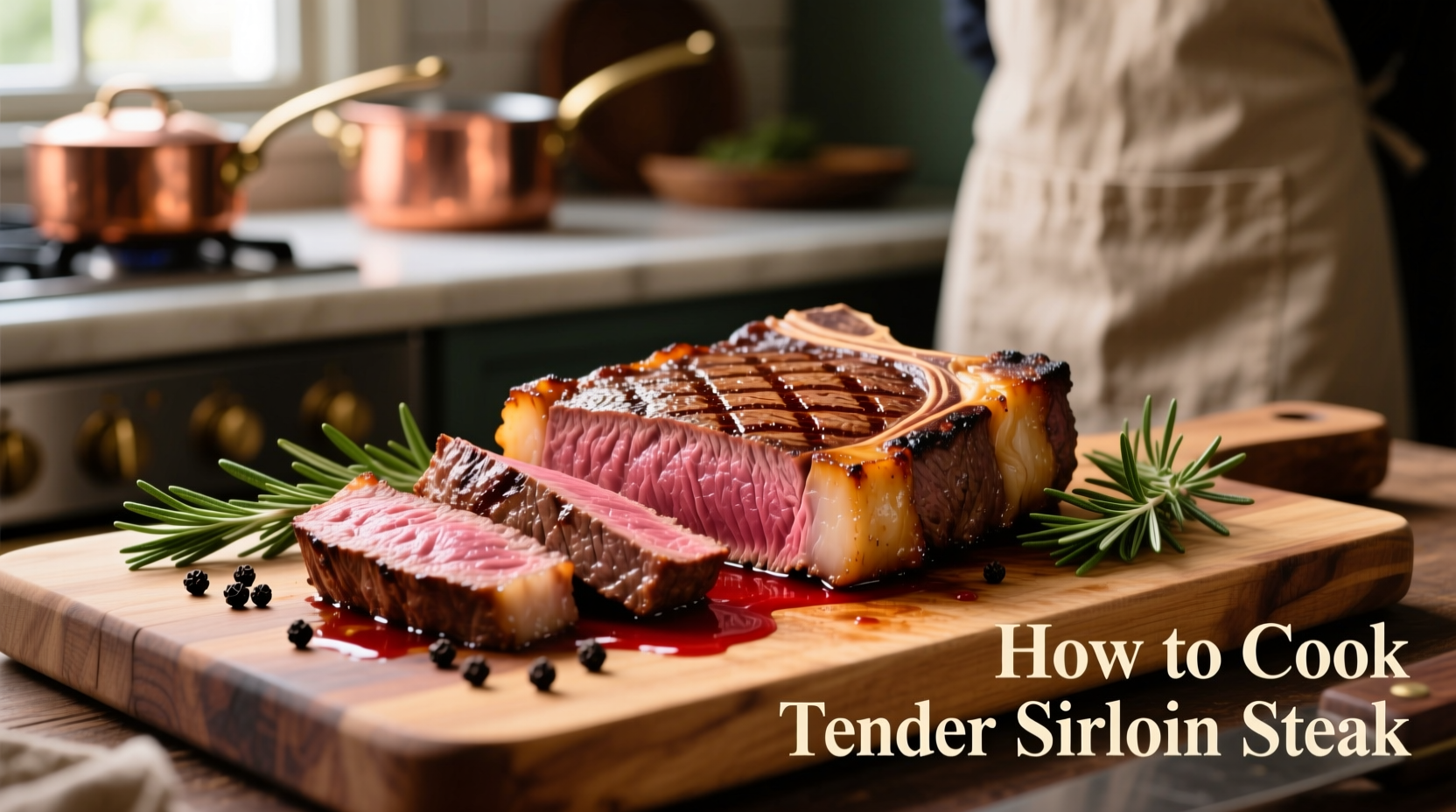
So, you want to cook a steak that’s so tender you barely need a knife. You want that buttery, melt-in-your-mouth feeling, right? It’s totally achievable, and once you know the tricks, you’ll wonder why you ever settled for chewing on shoe leather. Let’s get into it with a calm, no-pressure vibe.
Pick the Right Player to Begin
First, you need a steak that’s built for tenderness. Think of it like this: a cow uses its back muscles way less than its legs. That’s why cuts from the back—like ribeye, filet mignon, or strip steak—are naturally softer. They’re the couch potatoes of the cow world, and we love them for it.
If you grab a chuck or a round, you’re signing up for a tougher workout. You can make those tender, but it takes more effort. For a chill weeknight, go for the lazy cow cuts. It’s like choosing a fluffy pillow over a rock—why make it hard?
Must Read
The Cold Start Secret
Here’s a fun little hack: don’t take your steak straight from the fridge to the pan. Let it sit on the counter for about 20 to 30 minutes. This brings it to room temperature, so it cooks evenly from edge to center.
Think of a cold steak as a shy person at a party—it takes forever to warm up. A room-temp steak is ready to mingle with the heat. You get a perfect, even doneness without a raw middle and a burnt outside. Simple, right?
Salt Early, Not Late
Salt is your best friend here, but timing matters. If you sprinkle salt right before cooking, it mostly just sits on the surface. Salt it at least 40 minutes before, or even the night before. This gives the salt time to dissolve into the meat, breaking down its proteins.
It’s like giving the steak a tiny spa treatment. The salt pulls out moisture, then the meat reabsorbs it, seasoning from the inside out. You get a tender, juicy steak that tastes seasoned all the way through. Don’t skip this step—it’s magic.
Pat It Dry for a Killer Crust
Wet steak is the enemy of a good sear. Before your steak hits the pan, grab some paper towels and pat it completely dry. Moisture creates steam, and steam is the opposite of a crispy, brown crust.
Imagine trying to toast a wet slice of bread—it just won’t work. A dry surface hits the hot pan and sizzles like a dream. That golden-brown crust is where all the flavor lives, so don’t be shy. Dry it like you mean it.
Hot Pan, Patient Hands
Now, get your pan screaming hot. Cast iron is perfect, but any heavy pan works. Add a high-smoke-point oil like avocado or canola, then lay your steak down. Here’s the trick: don’t move it for at least 3–4 minutes.
If you wiggle it around, you’ll tear the crust before it forms. It’s like trying to pick a scab—just leave it alone. Let the heat do its work, and you’ll get a beautiful crust that lifts off the pan naturally. Patience is the secret ingredient.
Butter Basting for Extra Love
Once you flip your steak, add a knob of butter, a crushed garlic clove, and a sprig of thyme. Tilt the pan and spoon that sizzling butter over the steak. This is called butter basting, and it’s the most luxurious thing you can do.
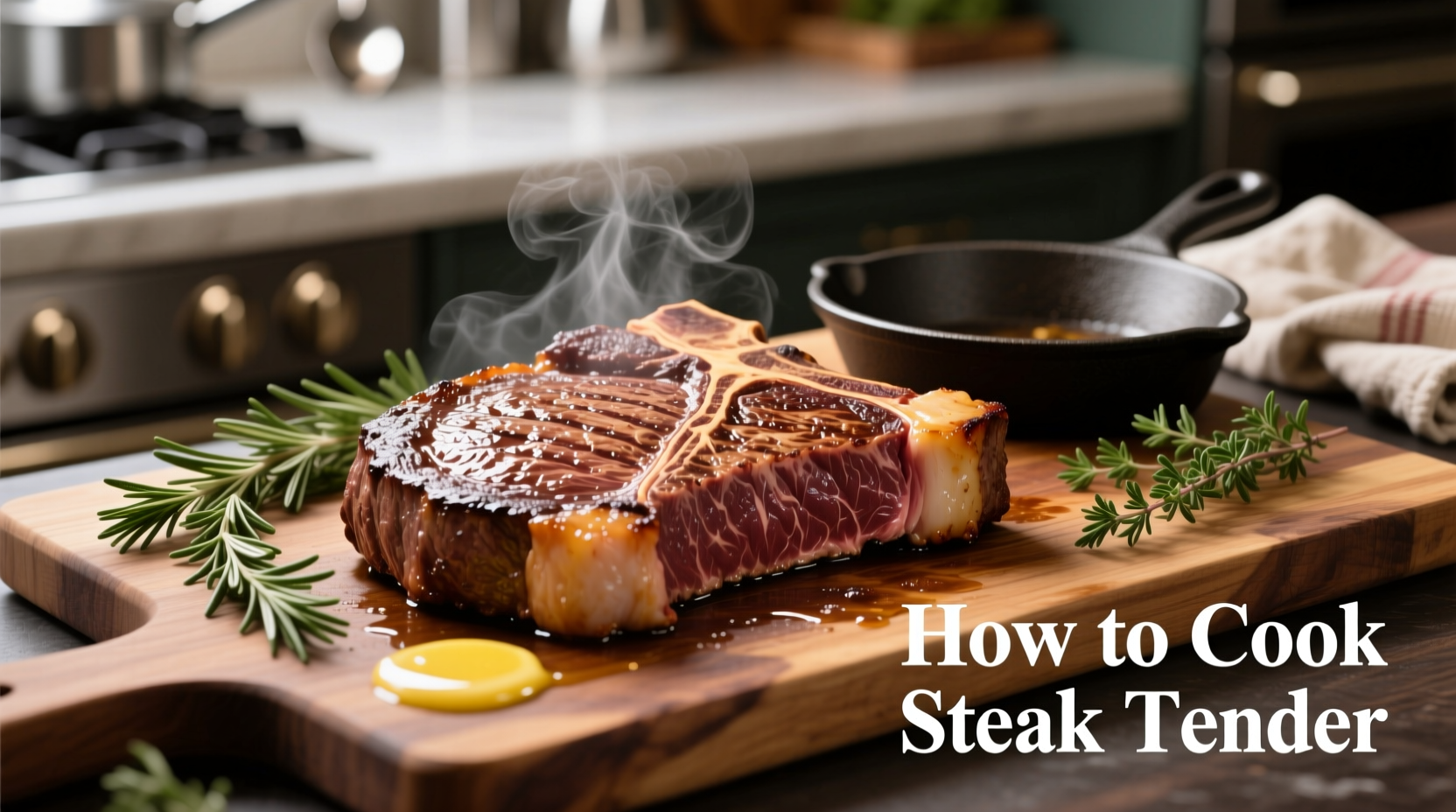 How to Cook Steak Tender: Simple Steps for Juicy Results
The butter adds richness and helps cook the steak evenly. It’s like giving your steak a warm, fragrant bath. You’ll smell it, and your kitchen will feel like a fancy restaurant. Just do it for a minute or two.
Trust Your Fingers, Not a Timer
Don’t obsess over exact cooking times. Use the “finger test” instead. Touch your index finger to your thumb—that’s how a rare steak feels. Now touch your pinky to your thumb—that’s well-done. Compare that feeling to the steak’s center. It takes two tries to learn, and it’s totally reliable.
If you’re nervous, grab a meat thermometer. For medium-rare, pull it at 130°F. But honestly? Your fingers are free and always with you. It’s a cool party trick you can use forever.
The Rest Is the Best Part
This is non-negotiable. Once your steak is off the heat, let it rest for at least 5 to 8 minutes. Don’t cut into it immediately! If you do, all those lovely juices will flood onto your cutting board, leaving you with a dry steak.
Think of the steak as tired from a workout. It needs a moment to relax and redistribute its juices. A rested steak is a juicy steak. Put it on a warm plate, tent it loosely with foil, and practice some deep breathing. You’ve earned it.
Slice Against the Grain
When you finally cut into it, pay attention to the direction of the muscle fibers. Look at the lines running through the meat—that’s the grain. Slice perpendicular to those lines, or against the grain. This shortens the muscle fibers, making every bite easier to chew.
If you slice with the grain, you get long, stringy pieces that feel like chewing on a rope. Against the grain? It’s like cutting a stack of paper with scissors—clean, effortless, and satisfying. A small change with a big payoff.
Why It All Matters
Cooking a tender steak isn’t about fancy gadgets or a culinary degree. It’s about a few simple choices: the cut, the salt, the heat, and the rest. You’re basically a scientist in the kitchen, tweaking variables for the perfect result. And the best part? You get to eat the experiment.
The first time you nail that buttery, tender texture, you’ll feel like a kitchen wizard. It’s a small, delicious triumph that makes any Tuesday feel special. So go ahead, grab a ribeye, and give it a try. Your taste buds will thank you, and you’ll wonder why you ever ordered steak out.
