How To Make Whipped Cream Using Milk

There’s something undeniably satisfying about making your own whipped cream. It’s one of those small kitchen victories that feels both practical and a little bit luxurious. Yo...
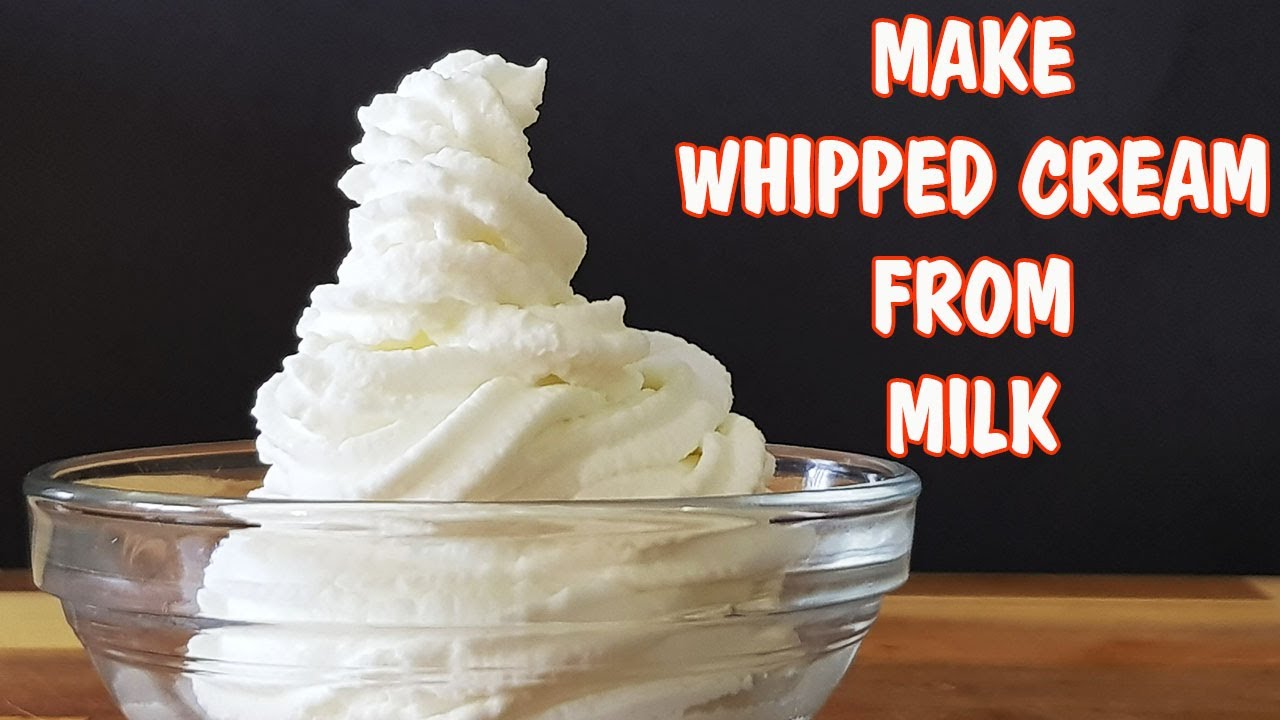
There’s something undeniably satisfying about making your own whipped cream. It’s one of those small kitchen victories that feels both practical and a little bit luxurious. You don’t need a special gadget or a trip to the store for heavy cream. The real magic—and the surprising secret—is that you can make perfectly fluffy, dreamy whipped cream using plain milk. This isn’t just a life hack for when your fridge is bare; it’s a genuinely lighter, more versatile alternative that anyone can master. From topping a lazy Sunday pancake stack to elevating a bowl of fresh berries, this milk-based cream brings a quiet joy to everyday eating.
The key difference between traditional whipped cream and this version is simple: fat content. Heavy cream whips because it has a high fat percentage (around 36%), which traps air when beaten. Milk alone doesn’t have enough fat to hold that structure. So, the trick is to concentrate the milk fat. The easiest method is to use evaporated milk—not sweetened condensed milk, but regular evaporated milk, which is just milk with about 60% of its water removed. This gives you a thick, creamy base that can be whipped into soft peaks. You can also use whole milk mixed with a little butter (melted and cooled) to boost the fat, or try the old-fashioned way of simmering milk on the stove to reduce it. Each method gives you a slightly different texture, but all of them yield a surprisingly airy result.
Before you start, there’s one essential rule: everything must be cold. The bowl, the beaters, and especially the milk or evaporated milk. Pop your mixing bowl and whisk attachments into the freezer for at least 15 minutes. Then, chill your milk overnight. Cold temperatures are what allow the fat molecules to cling together and trap air. If your ingredients are even a little warm, you’ll end up with a thin, soupy mess instead of billowy clouds. For the best results, use full-fat evaporated milk or whole milk—skim milk simply won’t work, as it lacks enough fat to properly aerate.
Must Read
Now, for the actual whipping. Pour your very cold milk (or evaporated milk) into the chilled bowl. Add a teaspoon of white vinegar or lemon juice per cup of milk—this helps stabilize the proteins and mimics the acidity that helps cream hold its shape. Then, add a tablespoon of powdered sugar or a sweetener of your choice, plus a tiny pinch of salt to brighten the flavor. Beat on high speed with your electric mixer for about 3 to 5 minutes. You’ll see it go from thin to frothy, then suddenly thicken into soft, flowing peaks. Stop right there—if you overbeat, it can turn grainy, just like regular cream. For a firmer hold, add a teaspoon of unflavored gelatin dissolved in a bit of warm water, or a tablespoon of powdered milk for extra stability.
The beauty of this milk-based whipped cream is how adaptable it is. Because it’s lighter than heavy cream, it’s perfect for people who want a less rich topping. You can easily flavor it: stir in a splash of vanilla extract, a pinch of cinnamon, or even a spoonful of cocoa powder for a chocolate version. It’s also a wonderful base for savory dips—add fresh herbs and garlic for a light, fluffy dressing. Many home cooks love it because it keeps its volume better in warm weather, since the added stabilizers (like gelatin or vinegar) prevent it from melting as quickly as traditional cream.
 How to Turn milk into whipped cream | Homemade Whipped Cream using Milk
One practical tip: if you’re using reduced milk (like evaporated), you can play with the sweetness. Since evaporated milk is naturally slightly caramelized, it adds a subtle richness without needing much sugar. For a fruity variation, whip in a tablespoon of your favorite jam at the very end—this creates a gorgeous, swirled cream that’s great on waffles or as a cake filling. And don’t be afraid to experiment with non-dairy milks: canned full-fat coconut milk (chilled and scraped) whips beautifully, though it has a distinct coconut flavor. Almond or oat milk won’t work on their own, but you can combine them with a little coconut oil to improve the fat content.
In the end, making whipped cream from milk is less about a rigid recipe and more about understanding the science of fat and air. It’s forgiving, cheap, and opens up a world of possibilities for anyone who thought they needed a carton of heavy cream to feel fancy. Next time you have a craving for something fluffy and sweet, open your fridge, grab that carton of milk, and give it a whirl. You might just find that the best things come from the simplest ingredients—and a little bit of cold, patient energy.
