How To Make Cookie Dough Less Sticky

You are ready to bake. You have the butter, the sugar, the chocolate chips. Then you plunge your hands into the dough, and disaster strikes. It’s a sticky, gooey monster cling...

You are ready to bake. You have the butter, the sugar, the chocolate chips. Then you plunge your hands into the dough, and disaster strikes. It’s a sticky, gooey monster clinging to your fingers like a desperate octopus.
Don’t panic. This is a normal part of the cookie adventure. Even professional bakers battle the blob.
Let’s fix it. We’ll make your dough behave like a well-trained puppy instead of a furious mudslide.
Must Read
The Chilling Truth
Your first weapon is cold. Pop that bowl of dough into the fridge for 30 minutes. That is not a suggestion; it’s a dough-saving ritual.
Why does cold help? Butter turns solid when chilly. Soft butter makes sticky messes; hard butter makes happy dough.
Fun fact: Old-school bakeries chill dough for hours. They say it deepens the flavor. You get less stickiness and better taste. That’s a double win.
Flour Power (But Don’t Overdo It)
Your next friend is a light dusting of flour. Sprinkle a tiny bit on your hands and on the counter. Less than a teaspoon is plenty.
Here’s the trap: dump in too much flour, and your cookies turn into dry, sad hockey pucks. Nobody wants a hockey puck cookie.
Pro tip: rub flour between your palms like you’re applying fancy hand cream. It creates a non-stick shield. Your fingers will thank you.
The Oil Slick Trick
Flour not cutting it? Try oil. Rub a few drops of vegetable or coconut oil on your hands before touching the dough.
Oil repels dough like a force field. It works because fat and water do not mix. Your sticky dough is full of water; your hands are now slippery royalty.
Quirky fact: This trick is also used by pizza chefs to handle wet dough. They look cool doing it. You will too.
Chill Your Tools, Too
Your metal spatula and cookie scoop can be traitors. Warm metal makes dough scream and stick.
Stick your scoop and spatula in the freezer for five minutes. It sounds weird. It works like magic.
I once did this and watched the dough slide off like a sled on ice. I felt like a baking wizard. You deserve that feeling.
The Parchment Paper Escape
If rolling dough is your plan, forget the counter. Use parchment paper instead.
Put your dough blob between two sheets of parchment. Roll it out with a rolling pin. The paper takes the sticky beating, not your sanity.
Bonus: no messy counter to scrub. You just toss the paper and go. That’s what we call a win-win.
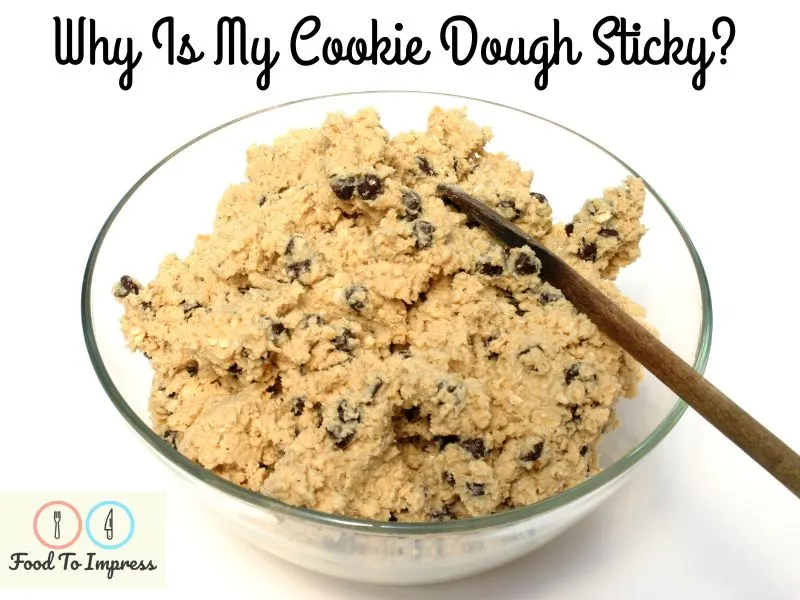 Why Is My Cookie Dough Sticky - Food To Impress
Your Hands Are Not Trash
Sometimes the problem is you. Warm hands melt butter. Melted butter equals sticky doom.
Run your hands under cold water for ten seconds. Dry them thoroughly. Then handle the dough. It’s like giving your hands a chill pill.
Funny truth: I once baked in summer with no air conditioning. My hands were sweating, and my dough turned into glue. Cold water saved my cookies.
The Egg Yolk Secret
Did you over-measure the liquid? Maybe you added too many eggs or too much milk. That dough becomes a sticky swamp.
Add one extra egg yolk (not the white). Yolks contain lecithin, a natural emulsifier that softens stickiness without drying out the dough.
This works like a charm for gluten-free doughs, which are notorious sticky beasts. You just saved a batch that would have been a disaster.
When in Doubt, Freeze It
If your dough is beyond sticky help, go full nuclear. Form it into a log, wrap it in plastic, and freeze it for an hour.
Frozen dough slices perfectly. You get perfect cookie rounds with zero hand contact. It’s the lazy genius approach.
Also, frozen dough bakes more evenly. You get crispy edges and a gooey center. That’s cookie heaven.
The Sticky Science Fun
Why is dough sticky anyway? It’s all about gluten. When flour meets water, gluten proteins create a stretchy network. Too much stretching equals stickiness.
Gluten is the reason bread is chewy. For cookies, we want less chewy and more crumbly. So we fight the gluten with cold and fat.
Next time you battle sticky dough, remember: you are a culinary scientist wrestling with proteins. And you are winning.
The Golden Rule
Don’t add more than a tablespoon of flour or oil. Your recipe is a delicate balance. Mess with it too much, and you ruin the cookie.
The best fix is prevention: start with cool butter and chill your bowl before mixing. But if you’re already sticky, now you have a whole army of tricks.
Go make some cookies. Your hands will stay clean. Your dough will be perfect. And you will feel like a baking genius.
