How To Lose Weight Training For A Marathon

So, you've decided to tackle a marathon, huh? That's awesome! Now, let's talk about the elephant in the room - or rather, the muffin top that's been sticking around a bit long...
So, you've decided to tackle a marathon, huh? That's awesome! Now, let's talk about the elephant in the room - or rather, the muffin top that's been sticking around a bit longer than you'd like. Losing weight while training for a marathon can seem like a daunting task, but fear not, my friend! We're going to make this fun, easy to read, and most importantly, doable.
First Things First: The Math
Before we dive into the nitty-gritty, let's do a quick math lesson. You know how they say it takes 3500 calories to make a pound? Well, to lose a pound, you need to create a deficit of 3500 calories. So, if you want to lose a pound a week, you need to cut out or burn off an extra 500 calories a day. Easy peasy, right?
Now, don't go crazy with the calculator just yet. We're not going to get all science-y on you. Promise.
Must Read
Fueling Your Engine
Marathon training is like trying to run a car on an empty tank. It's just not gonna happen. So, you need to fuel up, but smartly. Think of your body as a fancy sports car (because, let's face it, you're about to become a lean, mean running machine) and food as the premium gas.
You want to fill up with good stuff - whole foods like fruits, veggies, lean proteins, and whole grains. And yes, you can still have your beloved carbs. Just make sure they're the complex kind, not the sugary, processed ones.
But What About Those Post-Run Cookies?
Alright, alright, we won't take away all your fun. A little treat here and there is fine. Just remember, it's all about balance. And maybe, just maybe, consider swapping those cookies for a nice, cold smoothie. Your body will thank you.
Move More, Eat Less (Sort Of)
You've probably heard this before, but it's true. To lose weight, you've got to create a calorie deficit. And the best way to do that is by moving more and eating less. But here's the thing - when you're training for a marathon, you're already moving a lot. So, you don't want to cut back too much on your food.
Instead, focus on making smarter choices. Swap that second helping of pasta for some extra veggies. Or, if you're really feeling it, skip the dessert and have some fruit instead. Your body will thank you, and so will your waistline.
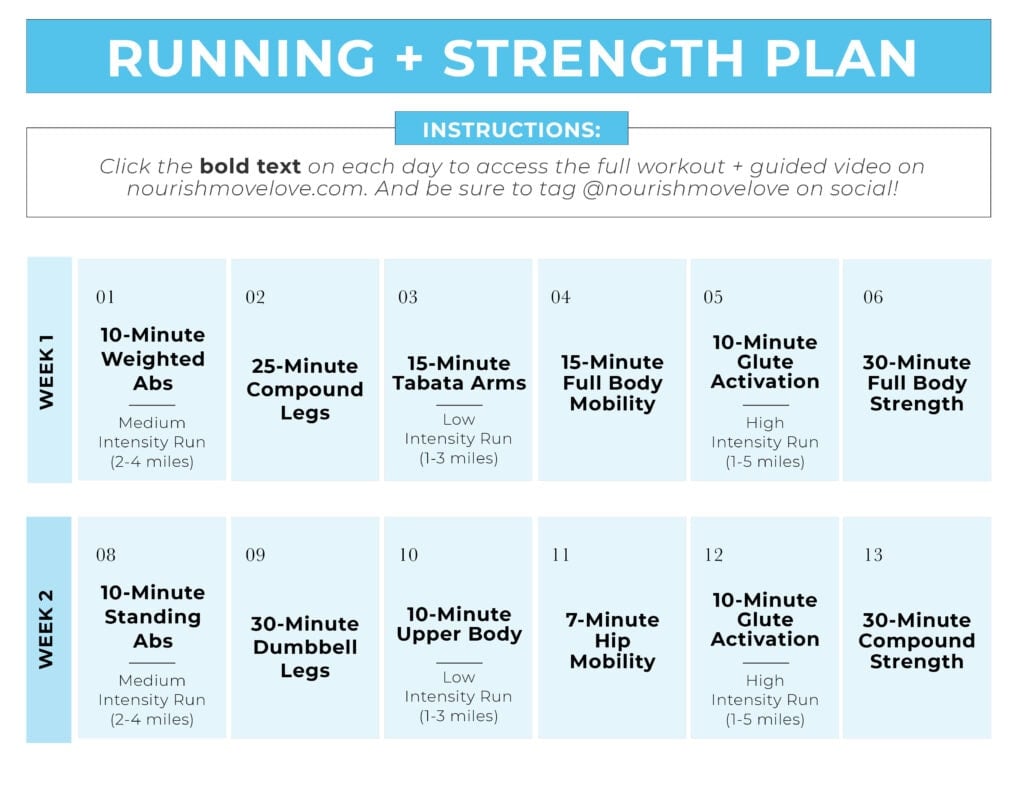
Strength Training: The Secret Weapon
You might be thinking, "But I'm training for a marathon, not a bodybuilding competition!" And you're right. But hear me out. Strength training can actually help you run faster and longer. How, you ask? Well, it helps build lean muscle mass, which in turn helps you burn more calories, even when you're just chillin' on the couch.
Plus, it'll help keep you injury-free. And trust me, nothing will derail your training plan faster than an injury. So, grab those weights (or just some cans of beans, we won't judge) and get to work.
Hydration Station
Water is your new best friend. It helps keep you hydrated, which is super important when you're sweating buckets. It also helps control your appetite and keeps your metabolism humming along.
 How Much Weight Can I Lose Training For A Marathon? - YouTube
So, grab a water bottle and make sure you're drinking up. And no, beer doesn't count. Sorry.
Rest Days: They're Not Just For Lazy People
Rest days are like the unsung heroes of marathon training. They might not seem as exciting as a long run or a tough workout, but they're just as important. Your body needs time to recover and repair, so it can come back stronger.
So, don't feel guilty about taking a day off. In fact, embrace it. Your body (and your mind) will thank you.
And Finally, The Magic Word: Consistency
You knew we were gonna get to this, didn't you? Consistency is key, my friend. It's not about finding some crazy diet or workout plan. It's about making small, sustainable changes and sticking with them.
Remember, weight loss is a marathon, not a sprint. It takes time, and that's okay. The important thing is to keep moving forward, one step at a time.
You Got This!
So there you have it. Losing weight while training for a marathon is totally doable. It's all about making smart choices, listening to your body, and staying consistent.
And remember, every step you take is a step in the right direction. So, keep moving, keep smiling, and before you know it, you'll be crossing that finish line, feeling stronger and fitter than ever.
Now, go forth and conquer. We believe in you!
