How To Know If You Have Fiberglass In Your Skin

There’s a surprisingly satisfying, if slightly niche, pleasure in mastering a small, practical life skill—like finally knowing how to fix a squeaky door hinge, or perfecting t...
There’s a surprisingly satisfying, if slightly niche, pleasure in mastering a small, practical life skill—like finally knowing how to fix a squeaky door hinge, or perfecting the art of parallel parking. Learning to identify when you have fiberglass in your skin falls squarely into that oddly enjoyable category of DIY detective work. It’s a skill that spares you from days of mysterious itching, saves you a possibly embarrassing trip to the doctor for something you could handle yourself, and gives you a quiet sense of triumph over a very annoying, very tiny material. Whether you’ve been wrestling with insulation in the attic, sanding down an old boat, or crafting with resin, this knowledge is your first line of defense. Think of it as a superpower for anyone who works with their hands—from hobbyists to contractors—because the alternative is just endless, maddening irritation.
The main purpose of this little guide is simple: to help you distinguish a fiberglass sliver from a regular splinter, a rash, or a heat rash. Fiberglass is made of tiny, sharp glass shards, and when they embed themselves in your skin, they don’t behave like a wood splinter. They don’t usually create a neat, visible line. Instead, they cause a diffuse, prickly, and intensely itchy sensation. The benefit is huge: by correctly identifying the issue, you avoid harsh chemical treatments for a rash and instead focus on removal and calming the affected area. For example, a woodworker might mistake it for a reaction to sawdust, while a DIY home renovator might blame new laundry detergent. Knowing it’s fiberglass means you can stop guessing and start fixing the real problem.
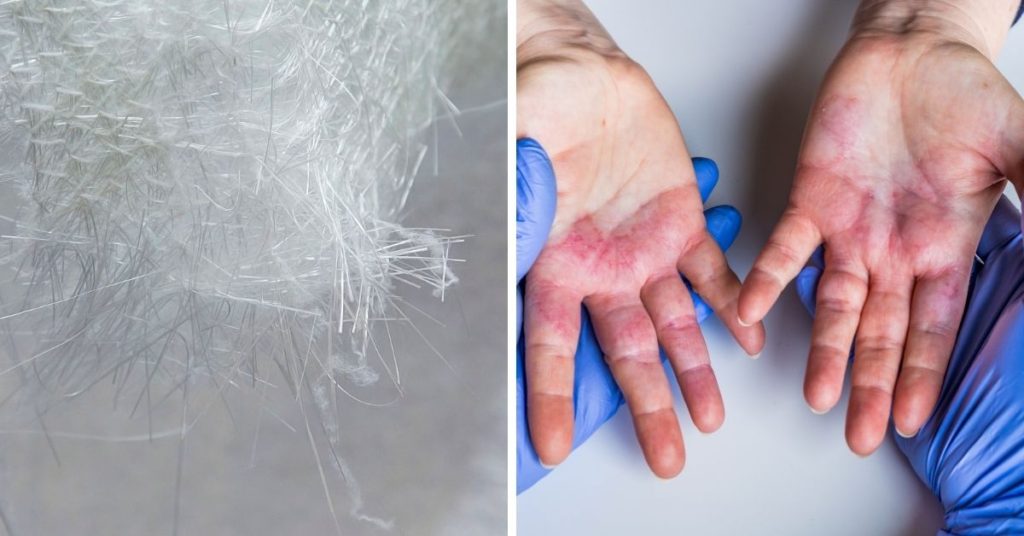
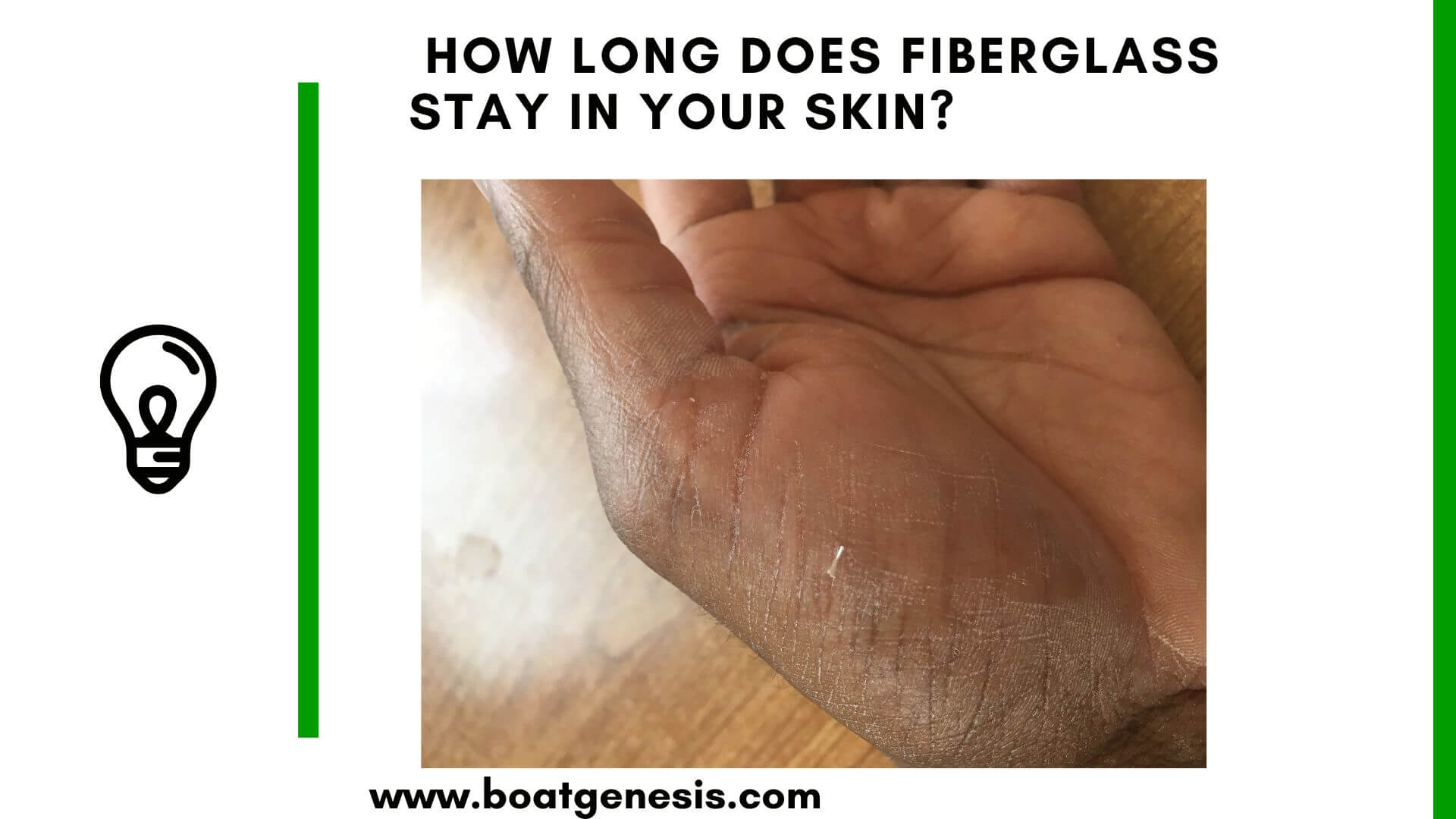
So, what are the telltale signs? Start with the sensation. If you feel a persistent, almost electrical prickling or stabbing sensation, especially on your forearms, hands, or neck, that’s a huge clue. It’s not a smooth, single-point pain; it’s a scattered, insistent “I’m here and I’m tiny and sharp” feeling. The second clue is visual: look closely in good, bright light. You might see tiny, translucent slivers that look like very fine, clear hairs poking out of the skin. They can be almost invisible, but a magnifying glass can be your best friend. Another common variation is a red, raised rash that looks like a cluster of tiny, angry bumps—often mistaken for poison ivy or an allergic reaction. The key difference? Fiberglass rash doesn’t weep; it just itches and burns.
Must Read
Now for the actionable part: how to check yourself properly. Don’t just rely on feeling. Gently press a piece of clear tape over the area where you suspect fiberglass. Press firmly, then peel it off. If you see tiny, shiny particles stuck to the tape, you’ve got your answer. A flashlight held at a low angle can also help—the glass shards will catch the light and glitter faintly. And here’s a crucial tip: never scratch the area vigorously. Scratching pushes the fibers deeper into your skin, making them much harder to remove and increasing inflammation. Instead, take a slow, patient approach.
 What Happens If Fiberglass Gets In Your Skin | The Tube
To get started on removal, begin with the gentlest method first. Rinse the area under cool, running water for several minutes—this can wash away loose fibers. Then, apply a thick layer of white glue (like school glue) or a gentle wax (like a depilatory wax for sensitive skin) over the affected area. Let it dry completely, then peel it off slowly in one direction. This is remarkably effective at pulling out surface-level fibers. For deeper ones, a pair of fine-tipped tweezers under good lighting is your next move. If the irritation is widespread or doesn’t improve after a day, a cool compress and an anti-itch cream (like hydrocortisone) can calm the reaction while your skin naturally pushes out remaining pieces over a few days.
The best way to make the most of this knowledge is to prevent the problem in the first place. Keep a pair of nitrile gloves and a long-sleeved shirt near your workspace. After handling fiberglass, always rinse your work clothes separately and don’t shake them out in the house. But when the inevitable happens—and it will—you’ll now approach that prickly, itchy mystery with calm confidence instead of panic. You’ll know it’s fiberglass, you’ll know how to check, and you’ll have a plan. That’s the quiet satisfaction of a practical skill: it turns a tiny, invisible annoyance into a manageable, even oddly interesting, puzzle you can solve.

