How To Know If A Sweet Potato Is Bad

There’s something genuinely satisfying about pulling a sweet potato from your pantry, imagining it roasted with a little salt or mashed into a creamy, comforting bowl. It’s a...
There’s something genuinely satisfying about pulling a sweet potato from your pantry, imagining it roasted with a little salt or mashed into a creamy, comforting bowl. It’s a vegetable that feels both humble and indulgent—versatile, forgiving, and packed with nutrients. But even the best of us have had that moment of doubt: “Wait… is this one still good?” The topic of spotting a bad sweet potato is more enjoyable than it sounds because it saves you money, prevents food waste, and ensures your next meal is delicious instead of disastrous. Whether you’re a meal-prep enthusiast, a parent trying to stretch groceries, or just someone who loves a good baked potato, knowing these signs is a practical life hack. You might have seen a wrinkled sweet potato in your bag and wondered, while a friend might have cut into one only to find strange black lines. These common variations—from soft spots to odd smells—are exactly what we’ll untangle today.
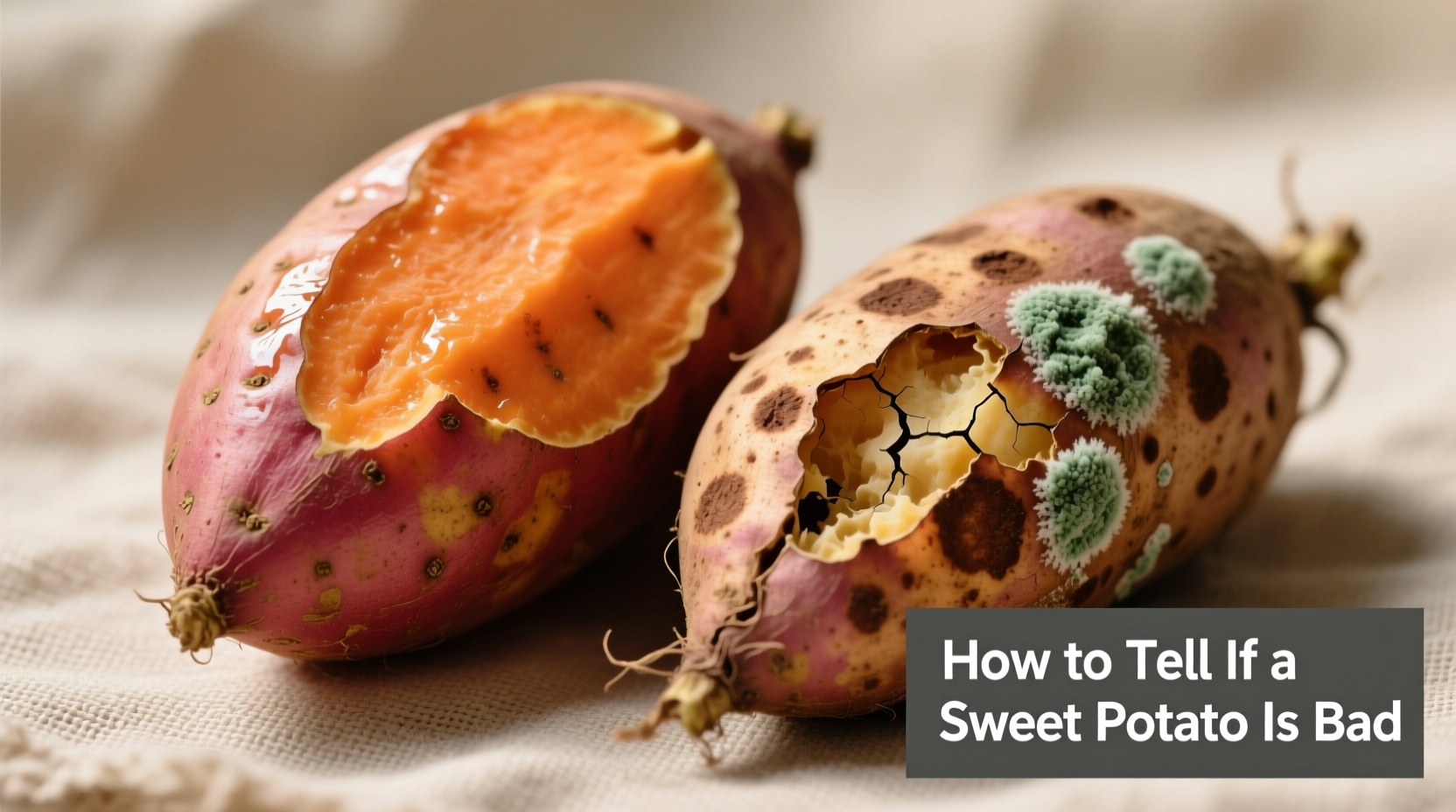
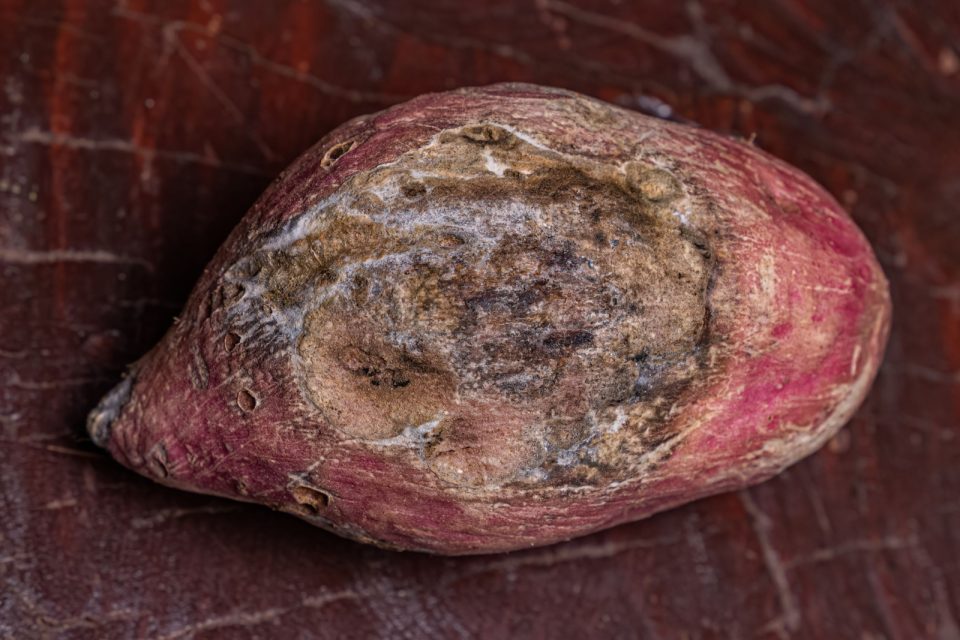
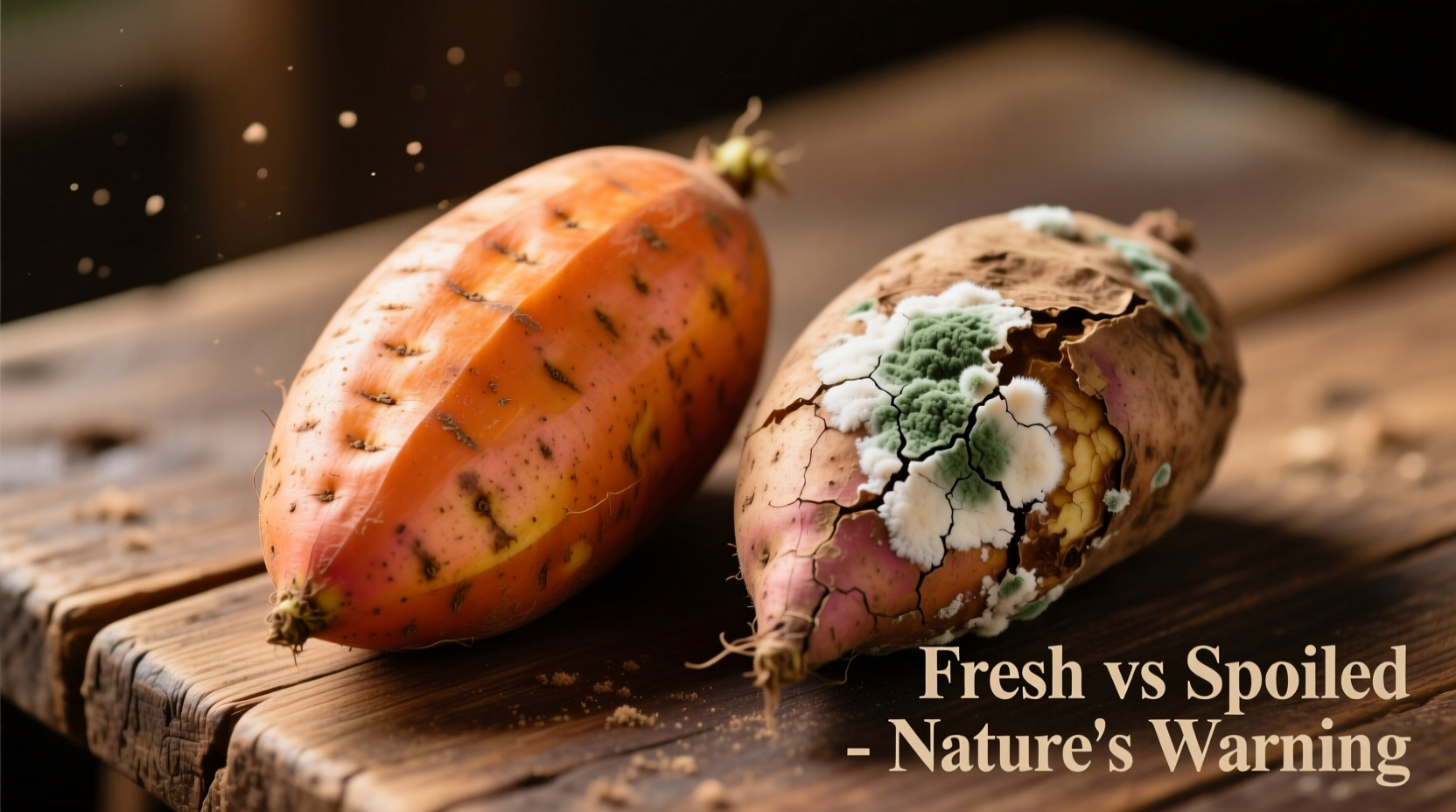
First, let’s talk about appearance. The most obvious clue is the skin. A fresh sweet potato should be firm, with smooth, unbroken skin that’s a rich orange, brown, or even purple. If you see wrinkling or shriveling, that’s a sign it’s losing moisture—it’s not necessarily bad yet, but it’s on the decline. Look for dark, sunken spots or soft, mushy areas. If a spot feels squishy like a bruised peach, that’s a red flag. Also, check for mold—fuzzy grey, white, or green patches—especially near the ends or any cracks. A small blemish can be cut away, but if the mold has spread, toss it. Remember, your eyes are your first detective.
Next up: the squeeze test. Pick up the sweet potato and give it a gentle press. A good one is rock hard, like a baseball. If it feels soft, rubbery, or gives way easily under pressure, it’s likely spoiling. Sponginess means the internal structure is breaking down—probably from dehydration or early rot. Don’t ignore a wet or weeping surface, either; if liquid seeps out, that’s a sign of decay. This tactile check works for whole sweet potatoes, but even cut ones should feel crisp, not slimy.
Must Read
Now, the nose knows. A fresh sweet potato has a neutral, earthy scent, maybe a hint of sweetness. If you get a sour, musty, or unpleasantly funky smell, it’s gone bad. Sometimes a bad potato smells like rotting vegetables or even a bit like alcohol—that indicates fermentation from bacteria. A distinct “off” odor means you should toss it immediately, even if it looks okay on the outside. Trust your nose; it’s often faster than your eyes.
Don’t forget a key cut-and-peek. If the exterior passes, but you’re still unsure, slice it open. Fresh sweet potato flesh should be vibrant orange or yellow, firm, and moist. Look for black or brown streaks inside—these can be minor bruises that are safe to cut away, but if the discoloration is widespread or accompanied by a slimy texture, it’s a no-go. Also, watch for white or gray areas that are soft; that’s advanced spoilage. A little browning from oxidation (like an apple) is fine, but rot is not.
 How to Tell If a Sweet Potato Is Bad: 5 Clear Signs
What about sprouts and weird growths? Those little “eyes” or sprouts on a sweet potato are natural. If the potato is still firm and the sprouts are small, you can just snap them off—the potato is still edible, though it may taste starchy. But if the potato has become wrinkled, soft, and covered in long, thick sprouts, it’s past its prime. This means it’s using its stored energy to grow, and the flavor and texture will be disappointing. In that case, it’s better to compost it.
Finally, a quick note on storage to make them last longer. Keep sweet potatoes in a cool, dark, well-ventilated spot—not in the fridge (which can ruin their texture). Aim for 50–60°F, like a pantry or cellar. Avoid washing them until you’re ready to use them; moisture invites mold. And check your stash weekly—one bad potato can spoil the whole bunch. With these tips, you’ll never have to wonder again. Enjoy your sweet potatoes with confidence, and roast on.