How To Identify Real Absinthe Vs Fake Alcohol

Absinthe, the storied "Green Fairy" of 19th-century Paris, has captivated artists and thinkers for generations—not merely for its high alcohol content, but for its complex rit...
Absinthe, the storied "Green Fairy" of 19th-century Paris, has captivated artists and thinkers for generations—not merely for its high alcohol content, but for its complex ritual and the unique, herbaceous complexity it brings to the experience of sipping something extraordinary. In everyday life, a well-made absinthe offers a moment of refined pause: the slow louche as ice water clouds the vivid green liquid, the release of aromas from anise, fennel, and grand wormwood, and the layered flavors that follow. Yet this pleasure is easily undermined by a counterfeit bottle—one that mimics the color but delivers a harsh, sugary, or synthetic burn. Learning to spot the real thing is not about snobbery; it is about protecting the integrity of your experience and your health from cheap substitutes designed only for profit.
The most reliable starting point is the ingredient list. Authentic absinthe is made from the whole plant of Artemisia absinthium (grand wormwood), plus green anise and sweet fennel. These three are the holy trinity of true absinthe; if the label lists "artificial flavors," "colorings," or merely "wormwood extract" without specifying the whole herb, you are likely holding a fake. A real producer will proudly display the use of traditional herbal distillates, not chemical shortcuts. For example, a standard bottle like La Fée or Pernod Absinthe will list "alcohol, water, extracts of grande wormwood, green anise, fennel, and other herbs." If you see "propylene glycol" or "natural flavoring" in vague terms, set it down.
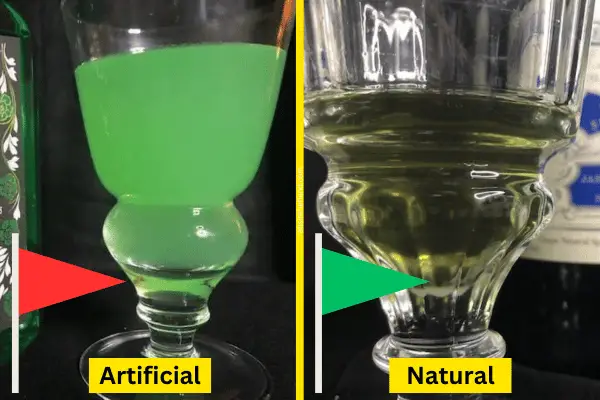
Next, examine the color. True absinthe is naturally green from the chlorophyll of the herbs that are steeped during the final stage of distillation—like a meadow bottled in glass. Over time, exposure to light causes this green to fade to a pale yellow or amber, which is a sign of authenticity and age. In contrast, most counterfeit absinthes are artificially dyed with bright, neon-green or emerald hues that never vary, regardless of storage. If you hold the bottle up to light and the color is unnaturally intense and uniform, like a highlighter pen, it is almost certainly fake. A simple test: pour a little into a glass and let it sit for an hour. Real absinthe will show subtle color change; fake absinthe stays garishly static.
Must Read
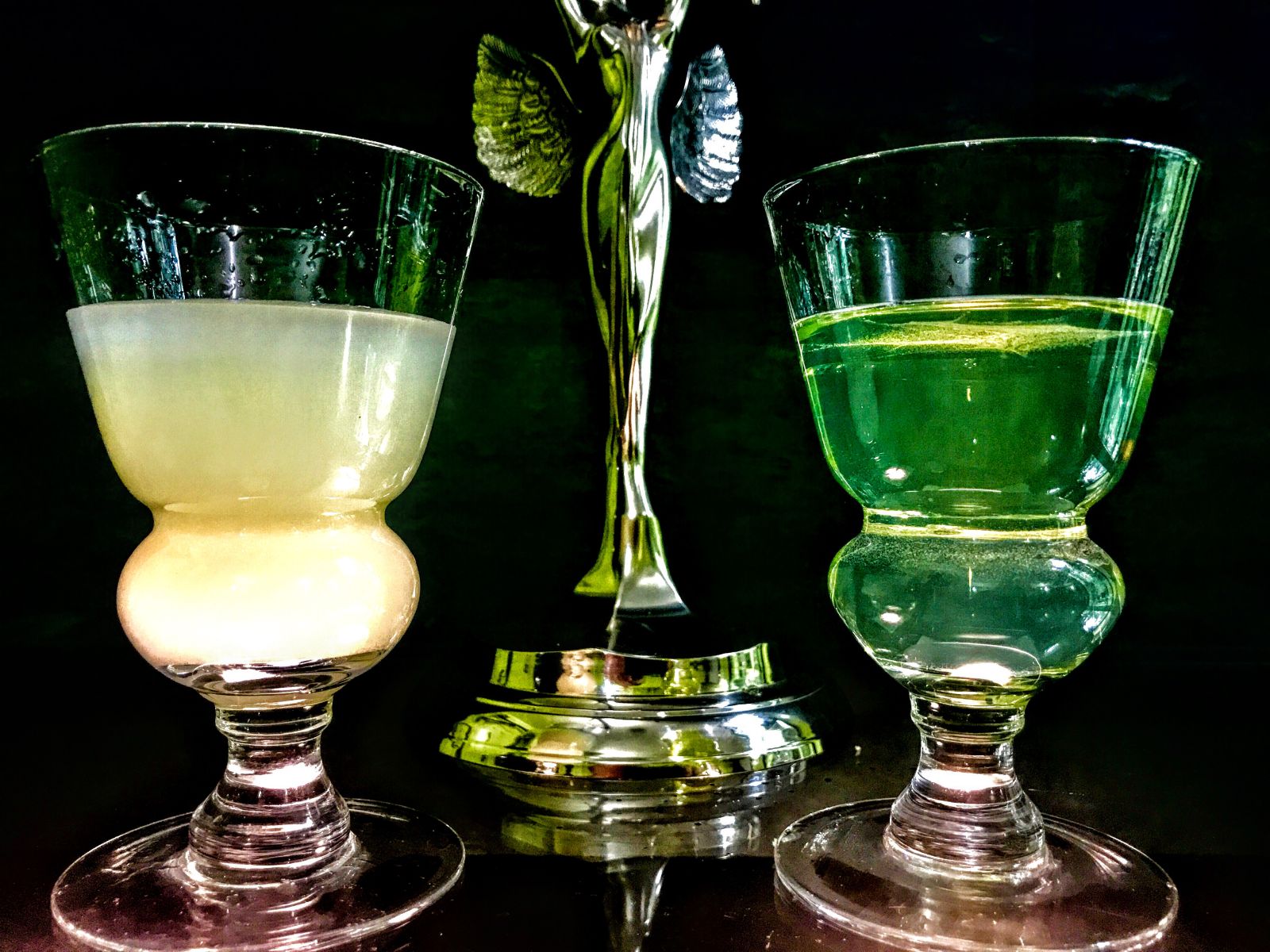
The louche effect—the cloudy, opalescent transformation that occurs when you drip ice water over real absinthe—is a non-negotiable signature. This happens because the essential oils in grand wormwood and anise are soluble in high-proof alcohol but precipitate when the alcohol concentration drops with dilution. A quality absinthe will louche beautifully, turning from clear green to a milky, shimmering white-gold as you add three to five parts cold water. Fake absinthes, which often skip the anise or use synthetic oils, will either stay clear or form a murky, lumpy, or patchy suspension. If you try this at home with the suspected bottle and the result resembles dirty dishwater more than a velvet cloud, you have a fraud.
Consider the alcohol-by-volume (ABV). Traditional absinthe is typically bottled at 45% to 72% ABV (90 to 144 proof). This high proof is necessary to preserve the delicate volatile oils without them separating. A "fake" absinthe often clocks in at below 45% ABV or above 80% without the corresponding botanical complexity—sometimes just neutral spirits dyed and flavored with cheap licorice or mint syrup. Remember: real absinthe is not meant to be drunk straight (it is a concentrate); the strength is there for chemistry, not just intoxication. If a bottle claims to be "ready to drink" and is less than 40% ABV, you are likely buying a novelty liqueur, not genuine absinthe.
 Absinthe VS Fauxinthe Tasting - Afterwork Networking & Mingling
Your own senses are powerful tools. After pouring a small amount (no water yet), swirl and sniff. Real absinthe has a deeply layered aroma: dominant notes of anise and fennel, followed by a bitter, herbal, almost tarry undertone from wormwood—it should smell like a living garden, not a candy shop. Fakes often smell of synthetic black licorice, mint, or artificial sweeteners. Taste a tiny, undiluted drop on your tongue: genuine absinthe will have a pleasant bitterness that lingers, while fakes usually attack with sharp alcohol or cloying sugar. Sugar is actually an enemy here—traditional absinthe is not sweet; any sugar cube is added by the drinker.
Finally, trust reputation and provenance. Genuine absinthe is produced in countries with strict distilling traditions—primarily France, Switzerland, and the Czech Republic (though the latter must be approached with caution, as some Czech products are "absinth" with low wormwood content). Look for distillery names you can research, and avoid bottles that look like cheap souvenir gimmicks—those with lurid skeletons, devil imagery, or phrases like "thujone-rich" in exaggerated fonts. A real absinthe producer will highlight the distillation method, the origin of herbs, and the date of bottling. A fake producer relies on mystique and bright colors. For your first purchase, ask at a reputable liquor store for a bottle that includes the "holy trinity" on the label and a known brand, such as Doubs Mystique or La Clandestine. With these tips, you can confidently lift your glass, dilute it slowly, and enjoy the Green Fairy as she was meant to be: a pure, complex, and honest creation of nature and skill.

