How To Get Rid Of Gnats In House

There’s something uniquely satisfying about reclaiming your kitchen from a tiny, uninvited air force. If you’ve ever watched a gnat materialize over your fruit bowl or hover s...

There’s something uniquely satisfying about reclaiming your kitchen from a tiny, uninvited air force. If you’ve ever watched a gnat materialize over your fruit bowl or hover stubbornly near your houseplants, you know the game: they’re small, persistent, and immensely annoying. The good news is that getting rid of them isn’t just practical—it’s a delightfully straightforward process that brings a sense of calm back to your home. Whether you’re a plant lover, a home cook, or just someone who enjoys a bug-free morning coffee, this topic offers a quick win. Many variations exist, from the classic apple cider vinegar trap to simpler methods like drying out soil, but the core benefit is the same: a cleaner, more peaceful living space.
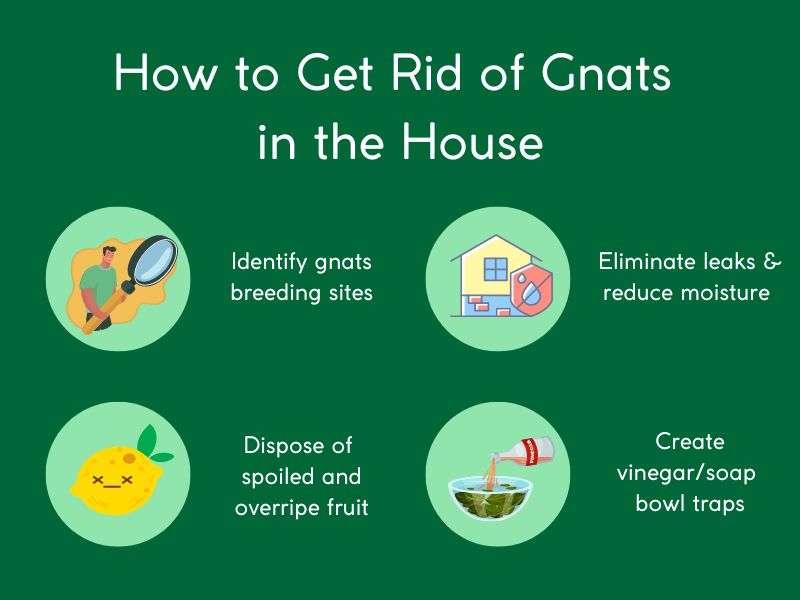
First, you need to know who you’re dealing with. Most indoor gnats fall into two camps: fruit flies (drawn to ripe produce and sweet spills) and fungus gnats (who love wet soil in potted plants). The trick is to identify your enemy, because the solution changes. If you spot them buzzing around a banana or a forgotten wine glass, you’ve got fruit flies. If they’re crawling on the dirt of your pothos or fern, it’s fungus gnats. Think of it as a tiny detective game—once you know their motive, you can cut off their supply.
For fruit flies, the most effective method is the apple cider vinegar trap. Grab a small bowl or jar, pour in about half an inch of apple cider vinegar, and add a drop of liquid dish soap. The vinegar lures them in with its sweet, fermented smell, while the soap breaks the surface tension so they can’t escape. Cover the top with plastic wrap, poke a few tiny holes, and place it near the infestation. Within a day, you’ll see them taking a fatal bath. Empty and replace the trap every few days until the population is gone. It’s cheap, non-toxic, and oddly satisfying to watch.
Must Read
If fungus gnats are your problem, the battle moves to your plant pots. These gnats thrive in consistently damp soil, so the first step is to let the top two inches of soil dry out completely between waterings. You can also place a layer of sand or small pebbles on top of the soil—this creates a physical barrier that prevents adult gnats from laying eggs. For a heavy infestation, try the “potato slice trick”: place a thin slice of raw potato on the soil surface. The larvae will crawl up to eat it, and you can simply remove and discard the slice every couple of days. Yellow sticky traps placed near the plants will catch the adults and break the breeding cycle.
 How to Get Rid of Gnats | Prevention & Control Tips
Don’t overlook the hidden sources. Gnats are masters of finding residual moisture and crumbs. Check your kitchen drain, garbage disposal, and trash can—wherever organic matter accumulates. Pouring a half-cup of baking soda followed by a half-cup of vinegar down the drain, then flushing with hot water, can clear out any gnat-friendly gunk. Also, inspect your recycling bin for sticky soda cans or wine bottles. One overlooked spill can sustain a whole generation, so a quick wipe-down of counters and a tighter seal on your compost bin can make a huge difference.
Prevention is the final, easiest step. Once you’ve cleared the current swarm, adopt a few habits to keep them away. Store ripe fruit in the refrigerator or under a mesh cover. Give your houseplants less water—most common indoor plants handle drying out between waterings just fine. And make sure your windows and doors have tight screens. The beauty of this whole process is that it’s low-effort and high-reward. You don’t need harsh chemicals or expensive gadgets; just a little patience and a few household staples. Within a week, you’ll likely be gnat-free, enjoying your home without that persistent buzzing soundtrack.