How To Freeze Potatoes For Roasting

There is something deeply satisfying about a perfectly roasted potato—crispy, golden edges giving way to a fluffy, tender interior. For many home cooks, this simple pleasure e...
There is something deeply satisfying about a perfectly roasted potato—crispy, golden edges giving way to a fluffy, tender interior. For many home cooks, this simple pleasure elevates a weeknight dinner or a holiday feast. Yet, the desire for that ideal texture often collides with the reality of a busy schedule. Freezing raw potatoes for roasting is a game-changing technique that bridges this gap. It allows you to prepare ahead without sacrificing the quality of your final dish. Imagine having a bag of ready-to-roast potatoes in your freezer on a frantic Tuesday evening; you can transform a mundane meal into something special with minimal effort. This method is not about cutting corners but about strategic preparation that fits seamlessly into modern life.
The key purpose of freezing potatoes for roasting is to save time and effort while preserving—or even enhancing—the final result. When you freeze prepped potatoes, you eliminate the need for washing, peeling, and chopping on the day of cooking. For a working parent or a student juggling multiple responsibilities, this can mean the difference between a homemade meal and takeout. Consider a scenario where you host a Sunday dinner: you can spend a quiet afternoon prepping three pounds of potatoes, freeze them, and then simply pull out the exact portion you need for a weeknight side dish. The benefit extends beyond convenience; properly frozen potatoes can develop a superior crust during roasting, thanks to the ice crystals that create tiny fissures on the surface.
To achieve the best results, blanching is essential. Raw potatoes contain enzymes that cause discoloration and a mealy texture when frozen directly. Briefly boiling them for three to five minutes halts these enzymes and par-cooks the interior. After blanching, drain them immediately and plunge them into a bowl of ice water. This shock stops the cooking process and prevents them from becoming mushy. Let them sit in the cold water for exactly the same time you boiled them—three minutes if you boiled for three. This precise balance ensures that your potatoes will freeze well and roast beautifully, with a fluffy inside and a crispy outside.
Must Read
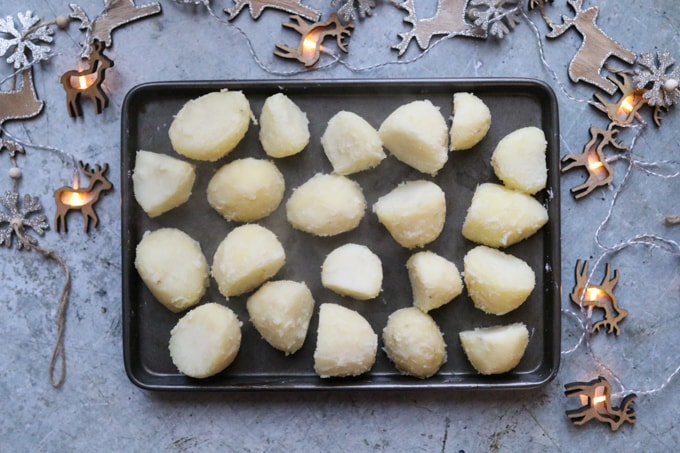
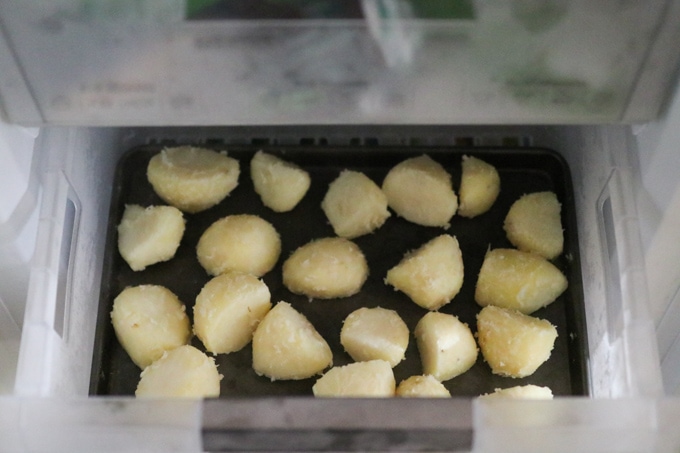
Once cooled, drying the potatoes thoroughly is non-negotiable. Any residual moisture will turn into ice crystals, which can lead to soggy potatoes when roasted. Spread the blanched and cooled potatoes on a clean kitchen towel or paper towels, and pat them dry. For an added layer of flavor, toss them with a small amount of oil and your favorite seasonings—rosemary, garlic powder, and salt work wonderfully—before freezing. Flash freezing is the next critical step: arrange the seasoned potatoes in a single layer on a baking sheet lined with parchment paper, without touching. Place the sheet in the freezer for two to three hours, until the potatoes are solid. This prevents them from clumping into a giant block later.
After flash freezing, transfer the individual potato pieces into a resealable freezer bag. Squeeze out as much air as possible before sealing—this stops freezer burn and keeps them at their best for up to three months. Label the bag with the date and the roasting instructions: no need to thaw. This is a crucial tip: frozen potatoes should go straight from the freezer into a hot oven. Thawing releases moisture that will make them steam instead of roast. When you are ready to cook, preheat your oven to 425°F (220°C), spread the frozen potatoes on a sheet pan, drizzle with a little more oil, and roast for 35 to 45 minutes, flipping once halfway through. The result is consistently crisp on the outside and soft within.
.jpg) Freeze Dry Potatoes for Long-Term Storage
Freeze Dry Potatoes for Long-Term Storage
For those eager to explore this technique, start with a small batch—perhaps two pounds—to test your preferences. Use waxy potatoes like Yukon Gold or red potatoes, as they hold their structure better than starchy russets. Also, consider the size: cutting them into uniform one-inch cubes ensures even cooking. If you prefer skin-on potatoes for extra texture and nutrients, simply scrub them well before blanching—no peeling required. Another simple tip is to add a teaspoon of baking soda to the blanching water; this increases the pH and encourages the Maillard reaction, giving your roasted potatoes a deep, golden-brown color that is almost addictive.
Ultimately, learning to freeze potatoes for roasting is a small investment that pays off big in everyday life. It embodies the philosophy of preparation without sacrifice—you are not settling for less; you are simply being smarter about your time. Whether you are meal-prepping for a busy week, planning for a holiday gathering, or just trying to reduce food waste by buying potatoes in bulk, this method works. The next time you crave that perfect roasted potato, you will not be held back by schedule or lack of energy. Instead, you will reach into your freezer with confidence, knowing that a delicious, hassle-free side dish is just an oven away.