How To Cook Sausage In Casing

So, you’ve got a pack of sausages in casing. Maybe they’re thick, snappy bratwurst or those skinny, twisty little breakfast links. Ever wonder what makes that casing so specia...

So, you’ve got a pack of sausages in casing. Maybe they’re thick, snappy bratwurst or those skinny, twisty little breakfast links. Ever wonder what makes that casing so special?
It’s not just a wrapper. That casing is like a suit of armor for the meat inside. Without it, you’d just have a sad, crumbly pile of spiced ground pork. Isn’t that a pretty amazing thought?
Think of it this way: if the sausage were a hot air balloon, the casing is the balloon itself. It holds all the tasty air and juice inside, waiting for a little heat to make it soar. Let’s get that thing to fly.
Must Read
Why Bother with the Casing?
First, let’s give the casing its due respect. That snap you hear when you bite into a well-cooked sausage? Pure magic. It’s the culinary equivalent of popping bubble wrap, but way more delicious.
Natural casings (usually from animal intestines, but don’t freak out) are porous. That means they let the fat and smoke and flavors mingle just right. You can’t get that with a plain, naked sausage patty.
So, the goal here isn’t just to cook a sausage. It’s to protect that crunchy, juicy casing while cooking the inside perfectly. We want a hero’s journey, not a tragic explosion.
The Big No-No: Poking Holes
Okay, let’s talk about a common mistake. You might have seen someone prick a sausage with a fork before cooking. Don’t do it. That’s like putting a hole in your balloon before it’s even inflated.
Why? Because all those lovely juices and fats will leak out. You’ll end up with a dry, leathery sausage that’s lost its soul. The casing is meant to seal everything in, not let it escape.
If you’re worried about them bursting, don’t be. Just cook them low and slow. A sausage that bursts is usually a sausage that was cooked too hot, too fast. Trust the process.
Method 1: The Low-and-Slow Pan Fry
This is my go-to, the reliable friend of sausage cooking. It gives you that perfect golden-brown casing every time. Grab a cold pan and add just a splash of water—maybe a quarter inch.
Put your sausages in the cold pan with the water. Turn the heat to medium. As the water heats up, it starts to gently steam the sausages from the inside out. It’s like giving them a warm bath before the party.
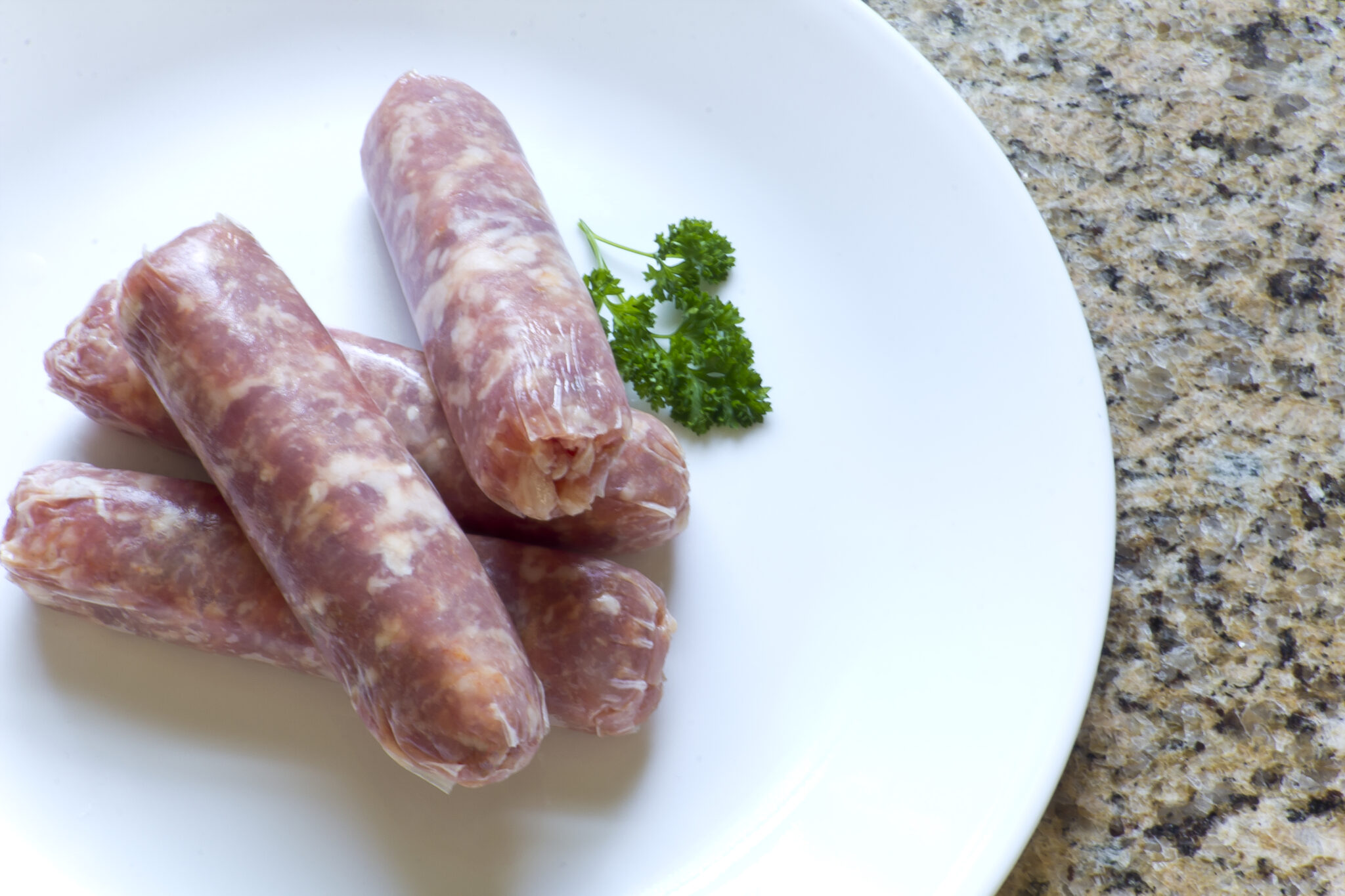 7 Types of Sausage Casings to Enhance Your Culinary Creations
Once the water evaporates (about 5-7 minutes), you’ll hear a sizzle. That’s your cue. Let them fry in their own rendered fat until the casing is deep brown and crispy. Flip them often for even color. Simple, right?
Method 2: The Oven Roast (Set and Forget)
Maybe you’re busy, or maybe you just want to avoid splattering grease on your stove. The oven is your hands-off hero. Preheat to 375°F (190°C). That’s the sweet spot.
Place your sausages on a baking sheet lined with parchment paper or foil. Don’t crowd them—give them space to breathe. Pop them in for about 20-25 minutes, flipping halfway through.
The oven’s dry, even heat will crisp up the casing beautifully. Plus, you get that toasty, roasty flavor that a pan can’t quite match. It’s like a warm hug from your oven.
Method 3: The Grill (For the Adventurous)
Fire up the grill, if you dare. Grilling gives you that smoky, charred casing that tastes like summer. Use medium, indirect heat first—put the sausages on the cool side of the grate.
Cook them slowly for 10-12 minutes with the lid down. This lets the heat circulate and cook the inside without torching the outside. Then, move them over direct flame for a final 1-2 minutes per side.
You want those grill marks and a little bit of blackened blistering. That’s where the flavor lives. Just don’t walk away—grills can turn a delicate sausage into a burnt log in seconds.
The Doneness Check: No Guessing
How do you know when it’s done? Don’t trust the color. A perfectly golden casing might hide a raw center. The only reliable way is a meat thermometer. Aim for 160°F (71°C) for pork or beef.
 How to Make Sausage : 14 Steps (with Pictures) - Instructables
No thermometer? Use your eyes and touch. A cooked sausage will feel firm but not hard. If you poke it, the juices should run clear, not pink. And the casing should be tight, not wrinkly or saggy.
Remember: a slightly overdone sausage is better than a raw one. But a perfectly cooked one? That’s a victory dance on your plate.
The Cool Down: Why Resting Matters
You’ve pulled the sausages off the heat. You’re hungry. I get it. But wait. Let them rest for 2-3 minutes on a plate. This isn’t just torture; it’s science.
As they rest, the juices inside settle down. If you cut into one right away, all that liquid gushes out onto the cutting board. That’s pure flavor running away from you.
Think of it like a deep breath after a race. Let the sausage compose itself. Then, when you bite into that snappy, juicy casing, you’ll thank yourself.
What’s Next? Get Weird With It
Now that you’re a casing pro, go wild. Slice them up and toss them in pasta, or serve them with sauerkraut and mustard. Ever tried them with a drizzle of honey and hot sauce? Life-changing.
The beauty of sausage in casing is its versatility. It’s a complete meal in a tube. And you, my friend, have unlocked the secret to keeping that tube happy and whole.
So go ahead. Fry, roast, or grill. But whatever you do, don’t poke them. And maybe share one with a friend—or keep them all to yourself. No judgment here.
