How To Cook Fresh Polish Sausage In Water

There’s something deeply satisfying about cooking a meal that feels both effortless and authentic. Boiling fresh Polish sausage—known as kiełbasa—is exactly that. Unlike grill...
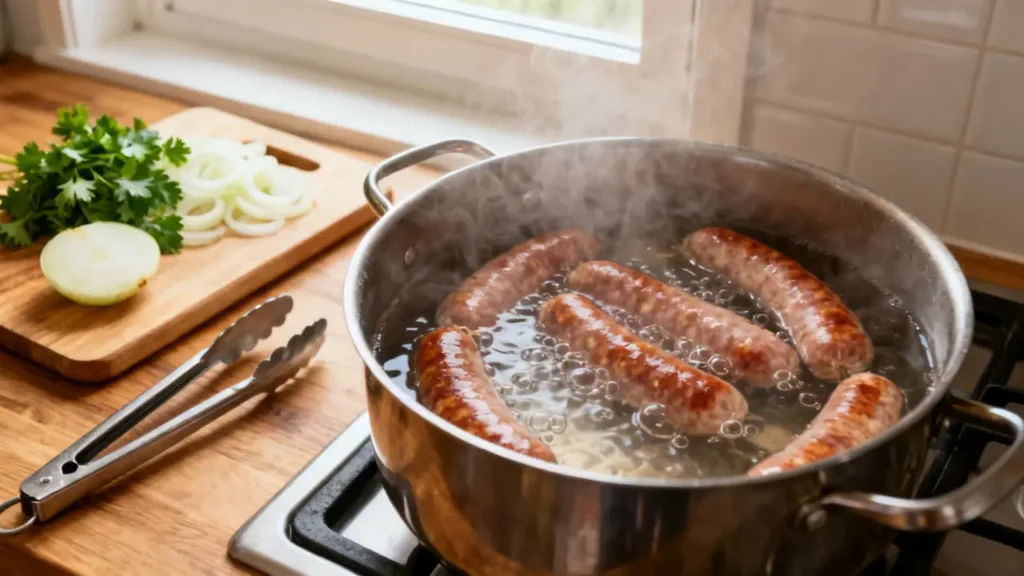
There’s something deeply satisfying about cooking a meal that feels both effortless and authentic. Boiling fresh Polish sausage—known as kiełbasa—is exactly that. Unlike grilling or frying, which demand constant attention, this method is wonderfully hands-off. It appeals to busy weeknight cooks who want a hearty dinner without fuss, as well as to food enthusiasts who appreciate the subtle, juicy flavor that poaching brings out. The main purpose is simple: to create a tender, fully cooked sausage that’s ready to eat in under 30 minutes. For newcomers, it’s a foolproof entry point into Central European cooking; for seasoned home chefs, it’s a reliable base for sauerkraut, mustard, or a side of rye bread.
You’ve probably seen fresh Polish sausage at the butcher counter—it’s raw, pale, and often coiled. Unlike smoked kielbasa, which is already cooked and needs only reheating, fresh sausage must be fully cooked through. This is where water excels. The gentle heat ensures the meat stays milky and moist, without splitting the casing. Common variations include white kielbasa (biała kiełbasa), which is milder and often served with a tangy horseradish sauce, or a garlic-heavy farmer’s sausage. Some people add bay leaves or allspice to the water; others save the broth to make a simple soup with potatoes and carrots. The beauty is in how adaptable it is.
Getting started is almost too easy. Fill a large pot with just enough cold water to fully submerge the sausages—about an inch above them is perfect. Resist the urge to boil the water first. Place the sausages in the pot, then bring the water to a gentle simmer over medium heat. The key is to avoid a rolling boil, which can make the casings burst and the meat dry out. You want tiny bubbles breaking the surface, like a calm hot spring. This gentle cooking draws out the fat slowly, creating a rich, silky broth that keeps the sausage plump.
Must Read
Timing is your best friend here. For most fresh Polish sausages, 20 to 25 minutes at a low simmer is plenty. If you’re cooking thicker links or a full coil, aim for 30 minutes. Don’t walk away completely—check once or twice to ensure the water isn’t boiling hard. A reliable tip: prick each sausage once with a fork before cooking. This lets a little fat escape and prevents pressure from building up, though purists may skip this step to keep every drop of juice inside. Both methods work, so choose what feels right.
Wondering how to tell if they’re done? It’s simpler than you think. A properly cooked fresh Polish sausage will feel firm to the touch but not rock-hard. If you have an instant-read thermometer, insert it into the thickest link—it should read 160°F (71°C). No thermometer? Cut one open at the thickest part. The meat should be uniformly pale pink or light gray, with no raw, translucent spots. The juices should run clear, not pink-red. Once they pass this test, you’re golden.
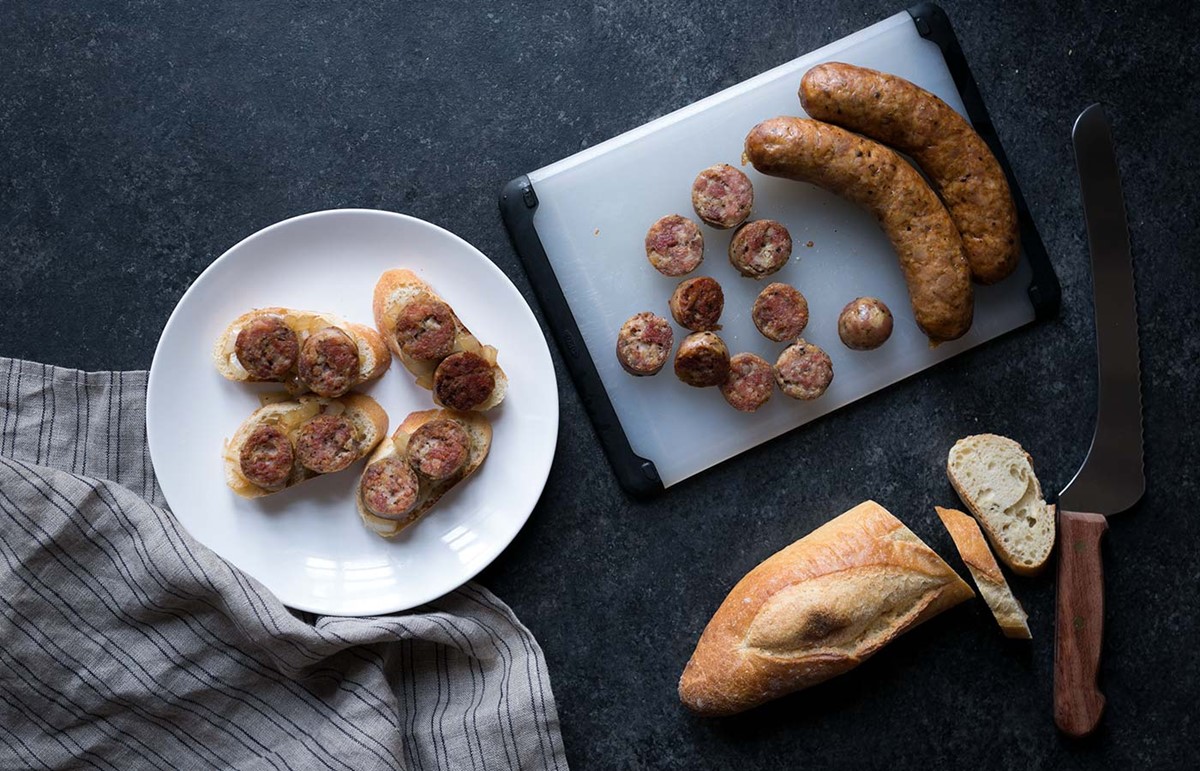 How To Cook Fresh Polish Sausage In Water - Recipes.net
Now comes the fun part: making the most of it. Serve the sausages straight from the pot with a dollop of spicy mustard and crusty bread. Or, for a classic Polish touch, pair them with sautéed onions and a side of bigos (hunter’s stew). Don’t toss the cooking liquid—it’s liquid gold. Use it as a base for lentil soup, to cook barley, or to braise cabbage. For a lighter meal, cool the sausages, slice them, and toss them with fresh herbs and vinegar for a tangy salad. The simplicity of water-cooked sausage means it becomes a blank canvas for whatever flavors you crave tonight.
Ultimately, boiling fresh Polish sausage in water is a quiet reminder that good food doesn’t need drama. It’s practical, forgiving, and deeply rewarding. Whether you’re feeding a crowd at a backyard gathering or just yourself on a cozy Tuesday, this method delivers tender, flavorful results every time. So next time you see that raw coil at the store, grab it. Fill your pot with water, set the heat low, and let the gentle simmer do the work. Your kitchen will smell incredible, and your meal—ready in under half an hour—will taste like comfort itself.
