How Should A Brownie Batter Look Like

There is a moment of pure, anticipatory magic in every baker’s kitchen: the moment when the cocoa, butter, sugar, and eggs are whisked into a single, glossy mass. Few desserts...

There is a moment of pure, anticipatory magic in every baker’s kitchen: the moment when the cocoa, butter, sugar, and eggs are whisked into a single, glossy mass. Few desserts promise the same humble yet decadent comfort as a pan of homemade brownies. Their key purpose, after all, is to deliver that perfect balance between a fudgy, dense interior and a crackly, shiny top crust. Understanding how your brownie batter should look is not just a trivial detail; it is the foundation for achieving this beloved texture. For the home baker, mastering this visual cue transforms baking from a simple recipe-following task into a reliable skill, ensuring every batch brings a moment of quiet joy to an otherwise ordinary day.
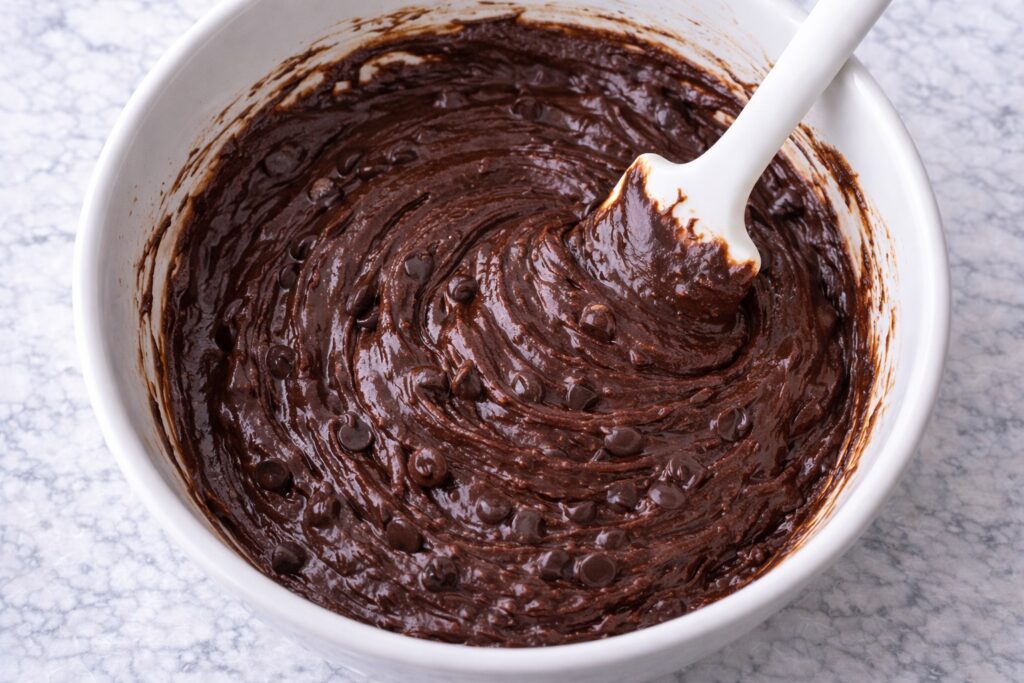
The ideal brownie batter is a study in mouthwatering cohesion. Think of it not as a liquid, but as a thick, rich, and lush paste. When you stir it, the batter should pull away from the sides of the bowl in a slow, deliberate ribbon. It should feel heavy and voluptuous on the spoon. This consistency is your first and most important clue that you have properly emulsified the butter and sugar with the eggs. If the batter is too runny, it will produce a cake-like, fluffy brownie that lacks that signature dense, fudgy core. Conversely, a batter that is overly stiff and almost dry—resembling a cookie dough—will lead to a tough, crumbly final product. The perfect batter is a promise of a velvety crumb.
The role of sheen and gloss cannot be overstated. A truly well-made brownie batter has a distinct shine to its surface. This is not from excess oil or fat pooling on top; rather, it’s the result of properly dissolved sugar and a stable emulsion. When you lift your spatula, the batter should fall back into the bowl in a thick, glossy ribbon that slowly merges back into the mass. This visual gloss is a direct indicator that the sugar is fully incorporated, which is crucial for that crackly, paper-thin top crust that brownie lovers prize. If the batter looks dull, matte, or separated (with greasy streaks), it likely means the sugar was not fully dissolved or the butter was too hot, threatening the structural integrity of your final treat.
Must Read
Consider the difference between baking for a cozy night in versus a grand celebration. For a relaxed evening, you might value a brownie that is almost mortar-like in its thickness—so dense it feels like a truffle. For a party, you might prefer a slightly looser batter that bakes into a taller, more sliceable brownie. In both scenarios, the batter should never look watery or grainy. Graininess is a red flag, often indicating that cold eggs seized the batter or that the sugar is not dissolving properly. A smooth, unified batter—with no visible flecks of dry flour or sugar crystals—is the universal sign of success. This smoothness ensures that every bite is homogeneous, without gritty pockets of unmixed ingredients.
One simple scenario illustrates this perfectly: imagine you are testing a new “one-bowl” brownie recipe. You’ve melted your butter and chocolate, added sugar, and whisked in eggs one at a time. Now you add the dry ingredients. As you fold, you see a few small patches of flour. This is fine: gentle folding is better than overmixing, which can deflate the batter and introduce too much air (leading to a cakey texture). The goal is to fold just until no streaks of dry flour remain. The final batter should look uniformly brown, deep and dark like melted chocolate, with a wet, almost liquid consistency around the edges of the mixing bowl. If you see separate pools of oil or butter, you have an emulsion that is breaking—a sign to stop mixing and bake immediately.
 Brownie Bites Recipe (Easy Fudgy Mini Brownies)
To explore this on your own, start with a classic fudge brownie recipe. Use a wooden spoon or a sturdy spatula, not a mixer; over-beating with a mixer incorporates too much air. As you mix, pay close attention to the feeling in your wrist: the batter should offer substantial resistance. Another tip is to let the batter rest for five minutes after mixing. This allows the flour to fully hydrate and for any air bubbles to settle, resulting in a denser, fudgier brownie. You will know it is ready when the surface remains glossy and still, not bubbly or foamy. Finally, trust your eyes over the clock. A batter that looks properly thick, glossy, and uniform will always outperform one that is rushed. This simple visual check is your secret tool for consistent, restaurant-quality brownies at home.
In essence, the way your brownie batter looks is your most honest guide. It tells you everything about the chemistry at play—whether the fat, sugar, and eggs have formed a stable partnership, and whether the flour is merely a binder or a dominant force. A thick, glossy, and heavy batter is the hallmark of a fudgy brownie; a thinner, more pourable batter signals a cakier result. By learning to read this simple visual language, you transform every baking attempt into a confident, joyful experiment. The reward is a pan of brownies that not only tastes sublime but looks exactly as you imagined, offering a small but perfect moment of comfort in a busy world.
