How Old Was Romeo And Juliet

One of those delightful, rabbit-hole questions that pop up at dinner parties or during a lazy Sunday is this: just how old were Shakespeare’s most famous star-crossed lovers?...
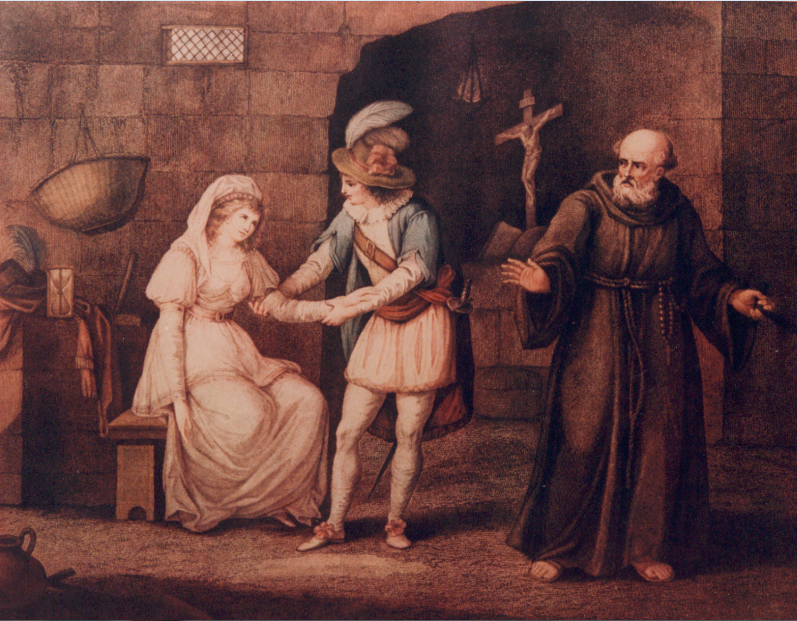
One of those delightful, rabbit-hole questions that pop up at dinner parties or during a lazy Sunday is this: just how old were Shakespeare’s most famous star-crossed lovers? It’s a topic that feels both playful and surprisingly practical. For students trying to picture the characters, for parents explaining the story to teenagers, or for theatre fans arguing about casting choices, pinning down their ages adds a crucial layer of understanding. The main purpose of exploring this isn’t just to win a trivia contest—it’s to see how the play’s entire tragedy hinges on youth. When you know their actual ages, you stop seeing a melodrama and start seeing a terrifyingly real story about impulsive, barely-adult passion crushed by adult feuds. It changes everything from how you read the balcony scene to how you feel at the final tomb.
Shakespeare, being the clever writer he was, drops a few very specific clues. For Juliet, the information is crystal clear. Her father, Lord Capulet, tells Paris that she has “not seen the change of fourteen years.” A few lines later, Lady Capulet confirms: “She’s not fourteen.” So Juliet is thirteen, on the cusp of turning fourteen. For audiences, this isn’t just a number—it’s a warning. Her parents are already discussing her marriage, and she’s still young enough to be easily manipulated by her Nurse. This makes her courage later—defying her father, drinking the potion—all the more striking. Romeo is trickier. No one announces his birthday. Scholars generally estimate him to be around sixteen or seventeen, based on social context: he’s old enough to duel, to roam Verona alone at night, and to have a close-knit group of friends, but young enough for Friar Laurence to call him “young” and chide his fickle heart.
Why does this matter? Because age is the engine of the plot. Think about common variations of the story you might recognize: modern film adaptations often age them up to late teens or early twenties. That works visually, but it changes the core tension. A seventeen-year-old Romeo and a nineteen-year-old Juliet feel like a reasonable couple. A thirteen-year-old Juliet and a sixteen-year-old Romeo? That’s kids making life-or-death decisions in a few frantic days. The entire tragedy speeds up because their frontal lobes aren’t fully developed. They don’t pause to negotiate with parents or seek therapy. They act on pure emotion—the very essence of being that young. The feud, the secret marriage, the banishment, the suicide—all their choices make perfect, terrible sense when you realize how inexperienced their brains are.
Must Read
For anyone getting the most out of this question—whether you’re a student writing an essay or just a curious reader—start by looking at the text itself. Don’t rely on movie versions. Read the scene where the Nurse stalls Lady Capulet with jokes about Juliet learning to walk. That moment isn’t just comic relief; it’s a deliberate reminder of Juliet’s childhood. Another actionable tip: compare how different characters speak to Romeo and Juliet. The Nurse treats Juliet like a child. Mercutio treats Romeo like a fellow young rogue. Pay attention to the word “child”—it appears repeatedly. If you’re reading aloud, let those labels land. They’re Shakespeare whispering, “Remember how young these two really are.”
Some readers, especially modern ones, feel uncomfortable with a thirteen-year-old heroine, and that’s a valid reaction. But that discomfort is the point. Shakespeare wasn’t endorsing child marriage; he was showing how adults in a broken society push children into impossible roles. When Juliet says, “My grave is like to be my wedding bed,” she’s not being romantic—she’s a trapped kid seeing no other way out. Recognizing her age transforms her from a lovesick teen into a tragic figure of incredible agency under impossible pressure. It’s one of the earliest depictions of a teenager’s inner life in Western literature.
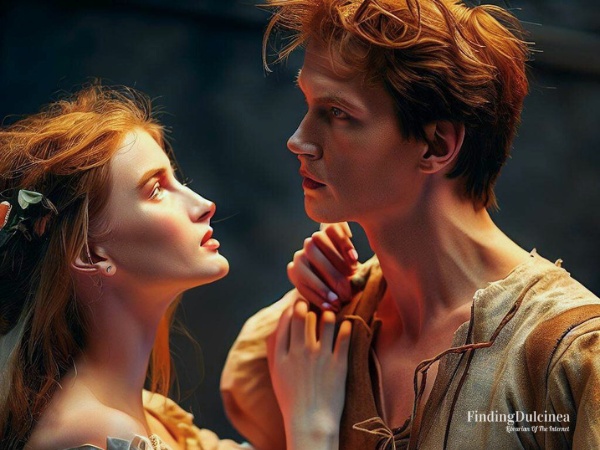 How Old Was Romeo? Unraveling Shakespeare's Mystery
To make this discovery your own, try a simple exercise: mentally recast the play with a twelve-year-old Juliet and a fifteen-year-old Romeo. Picture those ages in your head during the balcony scene. Imagine the weight of those vows. Suddenly, Friar Laurence’s constant warnings—“These violent delights have violent ends”—sound less like advice and more like a desperate adult trying to slow down two kids driving a car without brakes. That’s the power of knowing their true ages. It turns a familiar tragedy into something raw, uncomfortable, and heartbreakingly young.
In the end, the exact digits matter less than the truth they reveal: Romeo and Juliet are not tragic lovers because they’re bad at love. They’re tragic because they’re children made to bear adult consequences. So next time someone asks their ages, don’t just say “thirteen and sixteen.” Tell them it’s the key that unlocks the whole play—and warn them it might just break their heart a little more than they expected.
