How Old Was Muhammad Ali When He Fought George Foreman

There’s something uniquely enjoyable about revisiting the great moments in sports history, and the Rumble in the Jungle is one of those events that never gets old. It’s not ju...
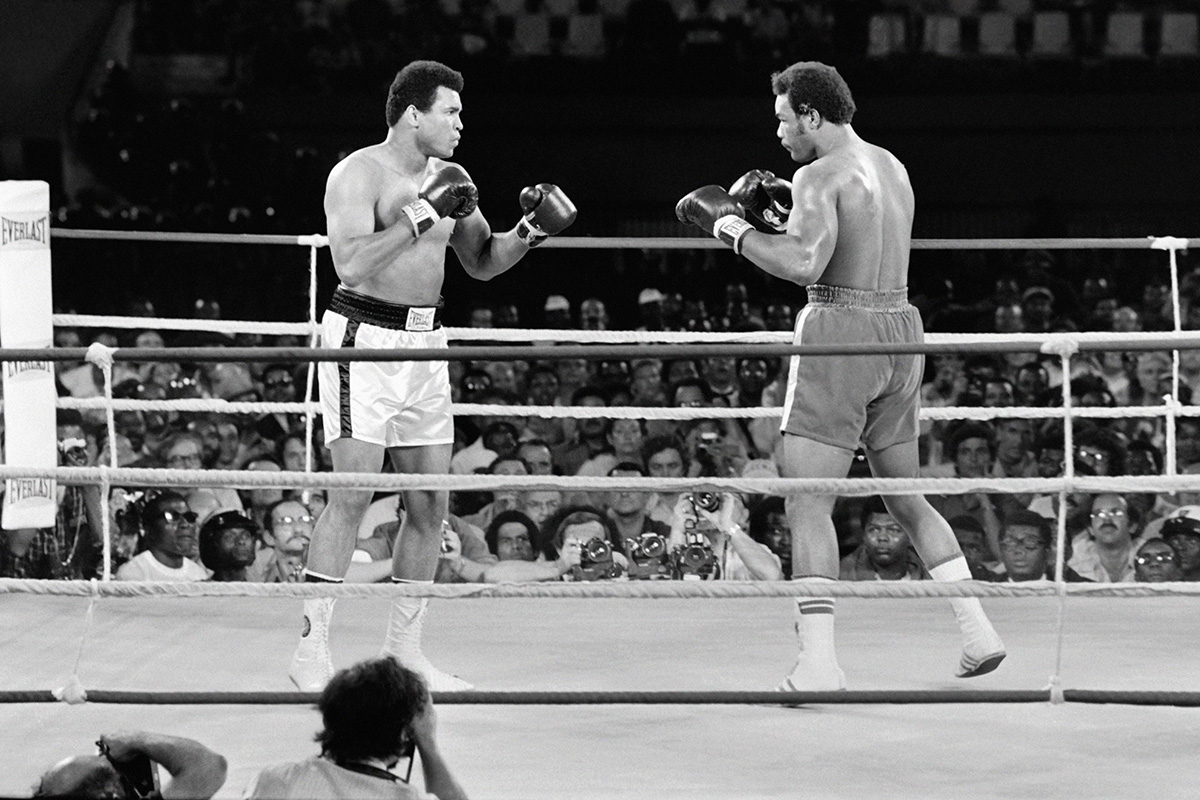
There’s something uniquely enjoyable about revisiting the great moments in sports history, and the Rumble in the Jungle is one of those events that never gets old. It’s not just about the fight itself—it’s the story behind it. When people ask, “How old was Muhammad Ali when he fought George Foreman?” they’re tapping into a narrative of age, resilience, and unexpected triumph. This question is practical because it helps fans understand the context of Ali’s career, and it’s widely appreciated by boxing enthusiasts, history buffs, and anyone who loves a good underdog tale. The main purpose of knowing this detail is to appreciate how Ali, at 32, defied the odds against a seemingly unstoppable 25-year-old champion.
Consider this: Ali was 32 years old on October 30, 1974, when he stepped into the ring in Kinshasa, Zaire. George Foreman, by contrast, was just 25—seven years younger, heavier, and feared for his crushing power. At the time, many experts thought Ali was past his prime. He had been stripped of his title in 1967, spent nearly four years in exile, and lost to Joe Frazier in 1971. Yet this age gap became a central part of the fight’s drama. It reminds us that age isn’t always a limitation—sometimes it’s a weapon. For casual fans, that age difference adds a layer of human interest; for serious analysts, it’s a key tactical element.To make the most of this knowledge, start by thinking about what those seven years meant in boxing terms. Foreman had youth, raw power, and a terrifying streak—he had demolished Frazier in two rounds. Ali had experience, ring IQ, and an unshakable belief. Instead of trying to outmuscle Foreman, Ali used a strategy now famous as the “rope-a-dope”: he leaned on the ropes, absorbed punches, and let Foreman tire himself out. By the eighth round, Ali’s patience paid off, and he knocked out the exhausted champion. The lesson? Knowing the ages helps you appreciate that victory wasn’t just about strength—it was about adapting your style to your opponent’s weaknesses.
Must Read
If you’re looking to get started exploring this topic, a simple tip is to watch the fight highlights with the ages in mind. Notice how Ali moves differently from Foreman—lighter on his feet, more defensive. Then, read about their training camps. Ali was leaner, weighing 216 pounds to Foreman’s 220, but he worked on endurance and mental toughness. For a practical exercise, compare this to other famous age-mismatched fights, like Joe Louis vs. Max Schmeling or Rocky Marciano vs. Joe Louis. You’ll start to see how age is often a story within the story.
 Did George Foreman Beat Muhammad Ali? The Rumble In The Jungle Outcome
Another variation worth exploring is how Foreman himself later embraced age. After Ali beat him, Foreman retired, then made a shocking comeback at 45 years old in 1994 to become the oldest heavyweight champion ever. This echoes Ali’s lesson: age is a number, not a destiny. For trainers and young athletes, this example shows that wisdom can outperform raw youth. For older fans, it’s a reminder that you’re never truly “past it” if you’re willing to adapt.
Finally, the most actionable takeaway is simple: focus on what you can control. Ali couldn’t be younger, but he controlled his preparation, his psychological game, and his tactics. When you think about your own challenges—whether in sports, work, or life—remember that 32-year-old Ali. He didn’t win because he was older; he won because he used his experience to turn a disadvantage into an advantage. So next time someone asks, “How old was Muhammad Ali when he fought George Foreman?” don’t just say 32. Say that he was old enough to know better, and young enough to still dream big.
