How Old Was Michael Jackson When He Got Vitiligo

Understanding the timeline of Michael Jackson’s health journey offers more than just a piece of pop culture trivia; it provides a profound lesson in resilience and the human e...

Understanding the timeline of Michael Jackson’s health journey offers more than just a piece of pop culture trivia; it provides a profound lesson in resilience and the human experience behind a global icon. For decades, people have been fascinated by Jackson’s changing appearance, often attributing it to cosmetic choices. Yet, the true story is grounded in a medical reality that began in the early 1980s. Exploring this topic helps us separate fact from rumor, fostering a deeper appreciation for how personal health challenges can shape a public figure’s life and work. It allows us to see the artist not merely as a spectacle, but as a person navigating a condition that affects millions worldwide.
The key purpose of understanding Jackson’s vitiligo timeline is to correct misinformation and highlight the nature of this autoimmune disorder. Vitiligo causes the loss of skin pigment, leading to white patches that can spread over time. For Michael Jackson, this condition did not appear suddenly; it was a gradual process. By examining his medical history, we learn that he was not “choosing” to become lighter-skinned through bleaching, as many tabloids falsely claimed. Instead, he was managing a real disease. This clarity benefits everyday life by encouraging us to question sensational headlines and approach celebrity stories—and our own interactions—with empathy rather than judgment.
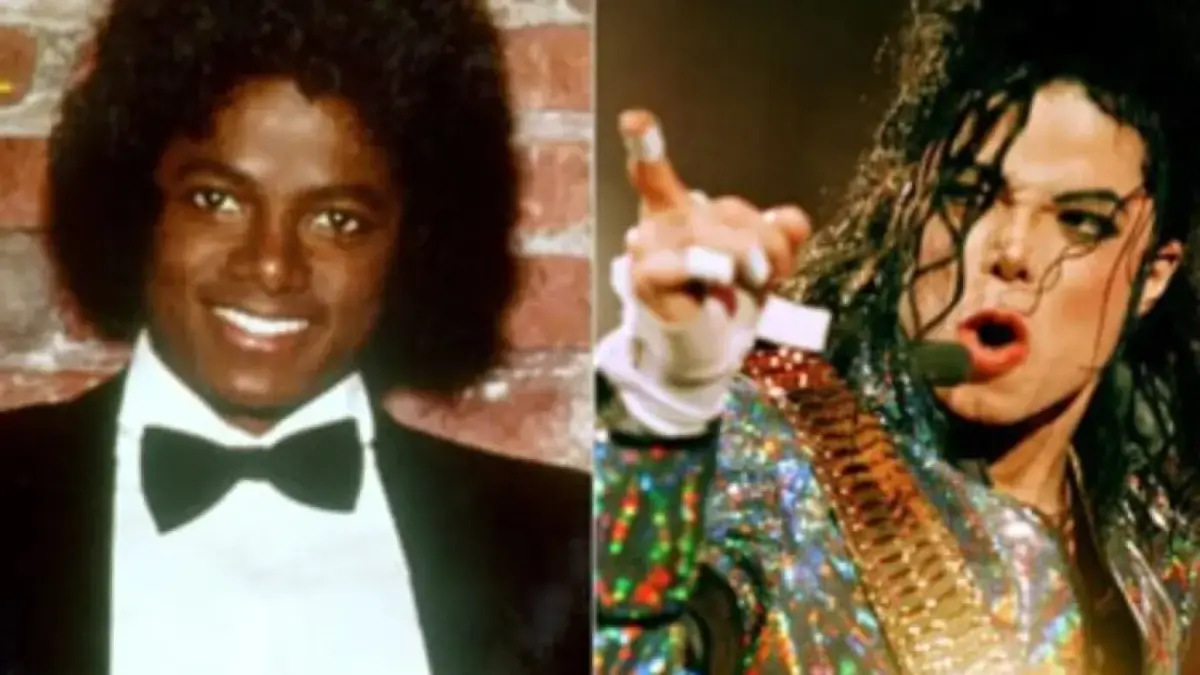
So, how old was Michael Jackson when he first showed signs of vitiligo? The most reliable accounts, including his own words in a 1993 interview with Oprah Winfrey and statements from his dermatologist, Dr. Arnold Klein, point to the early 1980s. Michael Jackson was born in 1958, meaning he was approximately 24 to 26 years old when the condition first became noticeable. At first, the white patches were subtle, appearing as small spots on his hands and around his mouth. Imagine being a young, dynamic performer at the peak of Thriller’s success—your entire image is your brand, and suddenly your skin starts changing in unpredictable ways. This was his reality, and it forced him to adapt both his makeup routines and his public persona.
Must Read
The progression of his vitiligo had a direct impact on his daily life and career. To create a uniform appearance on camera, Jackson began using heavy makeup to even out his skin tone. As the vitiligo spread, he chose to lighten his remaining dark skin to match the white patches, rather than darken the patches, which would have required extensive tattooing or constant application. This decision was practical, not cosmetic. For fans and observers, understanding this context transforms how we view his later albums and music videos. The iconic white glove and sequined costumes were not just fashion statements; they were functional tools to draw attention away from his hands, where the vitiligo was most visible. This teaches us that adversity can inspire creativity, a benefit we can apply to our own challenges.
One vivid example of this timeline in action is during the filming of the Thriller video in 1983. Look closely at Jackson’s hands—you’ll notice subtle depigmentation beginning. By 1984, during the Victory Tour with his brothers, the condition was more pronounced, and he started to wear a single glove and long sleeves regularly. Another scenario: in 1986, following an appearance at the Grammys, rumors of skin bleaching exploded. Instead of hiding, Jackson eventually used these moments to educate the world. In his 1988 autobiography, Moonwalk, he wrote about his father calling him “smelly old big nose,” linking his skin struggles to deeper childhood wounds. This honesty turned a private medical issue into a public conversation about self-acceptance.
 Michael Jackson Vitiligo Ben Health And Appearance Of Michael Jackson
For readers curious to explore this topic on their own, start by seeking out primary sources rather than tabloid reprints. Watch the 1993 Oprah interview where Jackson directly states, “I have a skin disorder that destroys the pigmentation of the skin… I don’t bleach my skin.” This is a powerful example of a celebrity taking control of his own narrative. Next, research the work of Dr. Pearl Grimes, a leading dermatologist, who has discussed how vitiligo often begins in young adulthood. Finally, when you see photos of Jackson from the 1990s, observe the patterns—the vitiligo on his hands and neck—and understand that his appearance was a compromise between health management and show business demands. These small investigative steps turn a passive fan moment into an active learning experience.
In conclusion, Michael Jackson was in his mid-twenties when vitiligo first appeared, and his journey through this condition is a testament to vulnerability turned into strength. Far from a simple tale of skin lightening, it is a story of living authentically under the world’s most unforgiving spotlight. The benefits of this knowledge are immediate: it replaces judgment with compassion, corrects decades of myth, and reminds us that even the most extraordinary lives are touched by ordinary human struggles. The next time you hear a rumor about a public figure, let Jackson’s story inspire you to ask, “What is the real condition here?” That question, born from his experience, is a tool for truth in everyday life.