How Much Native American Blood To Get Benefits

There’s something genuinely fascinating about unraveling the rules around Native American tribal benefits—it’s a topic that mixes history, identity, and practical life in a wa...
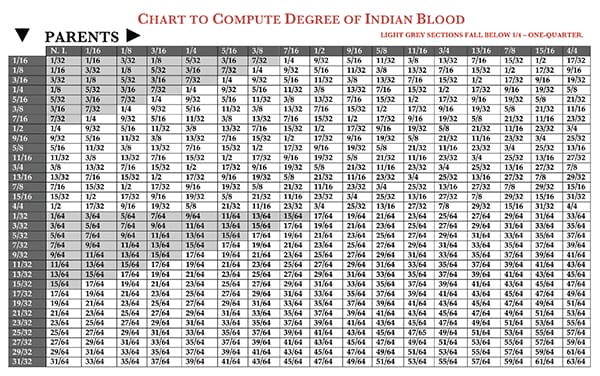
There’s something genuinely fascinating about unraveling the rules around Native American tribal benefits—it’s a topic that mixes history, identity, and practical life in a way few others do. Whether you’re exploring your own family tree, curious about cultural heritage, or just enjoy a good “did you know?” fact, this question pops up a lot. The idea isn’t as simple as a percentage score on a test; it’s about sovereignty, community belonging, and a system that varies from tribe to tribe. The purpose here is to clear up the biggest myth—that there’s a universal “blood quantum” cutoff—and help you understand how benefits actually work, from healthcare to educational grants. For many, this knowledge can unlock connections to ancestry, legal rights, and even financial support, making it both personally meaningful and practically useful.
Let’s start with the common variations you might recognize. You’ve probably heard that some people “are one-quarter or one-sixteenth Cherokee,” but the truth is that each federally recognized tribe sets its own membership requirements. For example, the Navajo Nation typically requires a one-quarter blood quantum (meaning you must have one full Native grandparent), while the Eastern Band of Cherokee Indians requires a one-sixteenth minimum. Meanwhile, tribes like the Seminole Nation of Oklahoma have a one-eighth requirement. But here’s the twist: some tribes, especially those along the East Coast with long colonial histories, may use a lineal descent rule instead—meaning you just need to prove you descend from a historical tribal member listed on an official roll, with no set percentage. This isn’t a “one size fits all” system, and that’s what makes it so interesting—and sometimes confusing.
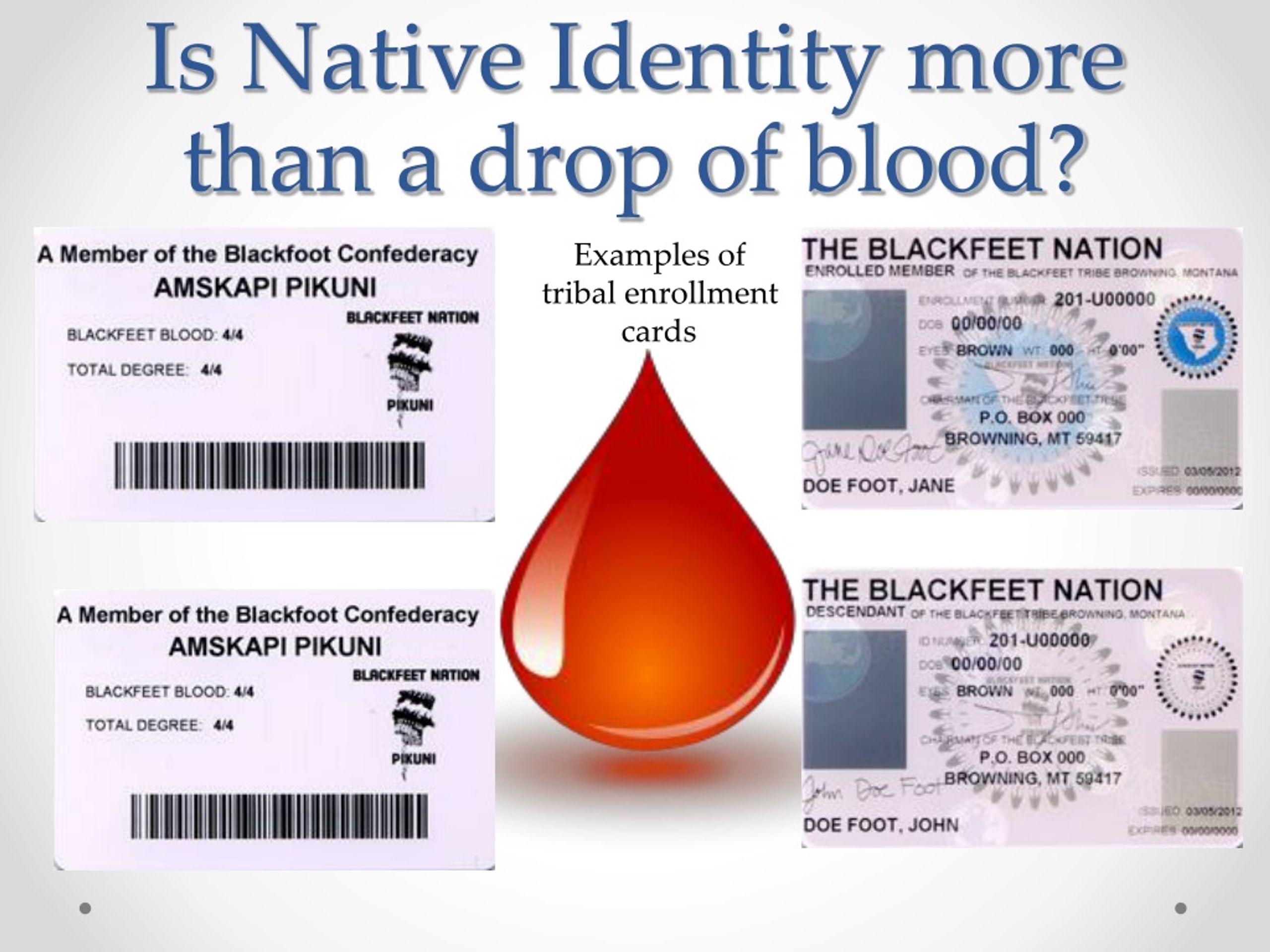
So, how do you actually qualify for benefits like Indian Health Service (IHS) care, Bureau of Indian Affairs (BIA) housing assistance, or tribal college scholarships? The short answer: you need to be an enrolled citizen of a federally recognized tribe. Benefits aren’t handed out based on a DNA test result (which can be misleading) but on official tribal enrollment. For instance, the Indian Health Service only covers members of federally recognized tribes, not everyone with Native ancestry. Similarly, college tuition waivers from tribes like the Choctaw Nation of Oklahoma require proof of enrollment with that specific nation. The key takeaway? It’s your tribal citizenship, not a percentage number on a piece of paper, that opens the door.
Must Read
But wait—there’s also a difference between tribal benefits and federal programs for Native Americans. Some federal aids, like certain Bureau of Indian Education (BIE) school services or HUD’s Indian Housing Block Grant, might use a one-fourth blood quantum to define who qualifies as an “Indian” for their specific rules. However, these are exceptions, and the trend is shifting. Many tribes these days are moving away from strict blood quantum toward lineal descent or community-based criteria to preserve their populations and rights. If you hear “one drop” or “half,” remember it’s almost never that simple—always check the specific tribe’s constitution or enrollment office.
 PPT - Blood PowerPoint Presentation, free download - ID:9253589
Here are some actionable tips to get started if you’re exploring this for yourself. First, don’t start with a DNA test. While DNA tests can offer clues about geographic ancestry, they cannot prove tribal membership. Instead, begin with your family: talk to relatives, gather oral histories, and look for documents like birth and death certificates, census records, or tribal rolls (such as the Dawes Rolls for Five Civilized Tribes). Second, contact the tribal enrollment office of the tribe you believe you’re connected to—each has a clear application process. Third, consider hiring a professional genealogist who specializes in Native American research; they can save months of frustration. Finally, be patient: enrollment can take years, and benefits come slowly, but the journey itself often deepens your understanding of heritage.
Ultimately, the “how much blood” question is best answered with a phrase: it depends on who you ask. The benefits are real—healthcare, education, housing, and cultural preservation—but they’re tied to community, not a number. For some people, the greatest benefit isn’t a check or a card, but the chance to reconnect with ancestors and participate in traditions. For others, it’s a practical path to support. Either way, this topic reminds us that identity is more than genetics—it’s about shared history, belonging, and the resilience of sovereign nations. So dive in, ask questions, and enjoy the story you uncover. It’s a rich one.