How Much Ibuprofen Is Too Much Over Time

So, there I was, midway through a particularly grueling hike, when I felt a familiar twinge in my knee. I'd been pushing myself a bit too hard, and my body was letting me know...
So, there I was, midway through a particularly grueling hike, when I felt a familiar twinge in my knee. I'd been pushing myself a bit too hard, and my body was letting me know in no uncertain terms. I reached into my backpack and pulled out my trusty ibuprofen, popping a couple of pills and washing them down with a swig of water. It's a scenario many of us can relate to, right? But how much is too much when it comes to this common painkiller?
Ibuprofen: Our Trusty Sidekick
Ibuprofen is one of those wonder drugs that's always there for us. Whether we've overdone it at the gym, or we're battling a headache or period cramps, it's our go-to for quick relief. It's over-the-counter, it's cheap, and it's effective. What's not to love?
But here's the thing, my friends. While ibuprofen is indeed a lifesaver in many situations, it's not something we should be popping like candy. Why, you ask? Well, let me spill the beans.
Must Read
What's the Big Deal?
Ibuprofen belongs to a class of drugs known as nonsteroidal anti-inflammatory drugs (NSAIDs). They work by blocking the production of certain natural substances in the body that cause pain and inflammation. Sounds harmless enough, right?
But here's where it gets interesting. These substances, prostaglandins, also play a role in protecting the lining of your stomach and kidneys. When ibuprofen blocks their production, it can leave these organs vulnerable to damage.
So, while ibuprofen is great at taming pain and inflammation, it can also cause stomach ulcers, kidney problems, and even increase the risk of heart attacks and strokes if taken in excess or for extended periods.
So, How Much Is Too Much?
Now, I know what you're thinking. "I've been taking ibuprofen for years, and I'm fine!" And maybe you are. But it's important to know the risks, especially if you're taking it regularly or in high doses.
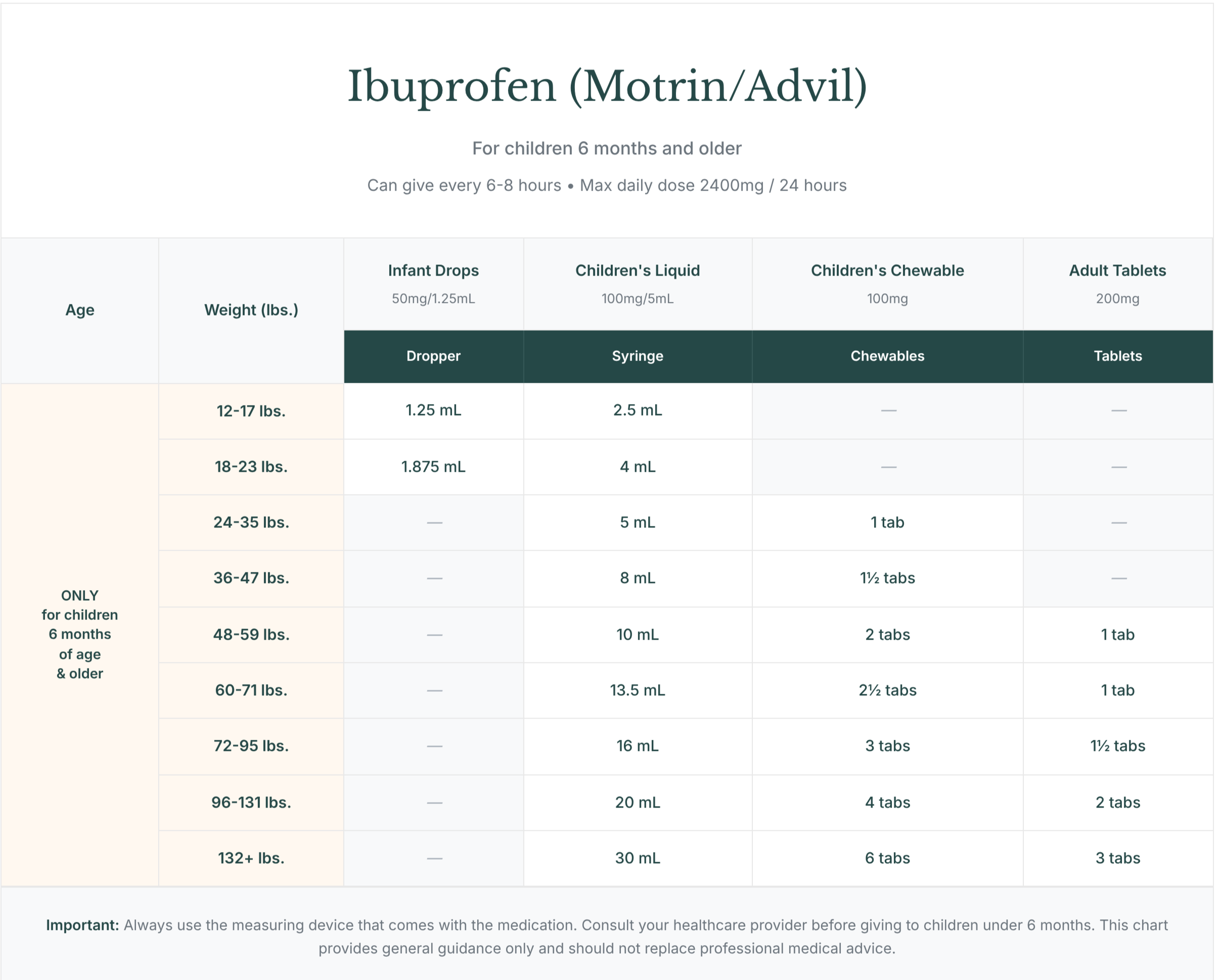
The recommended dose for adults is 400mg every 4 to 6 hours, with a maximum daily dose of 1200mg. However, it's worth noting that even these amounts can cause side effects in some people, especially if taken on an empty stomach.
If you're taking ibuprofen for more than a few days at a time, or if you're taking it to manage a chronic condition, it's crucial to talk to your doctor. They can help you weigh the benefits and risks, and maybe suggest an alternative.
What About Those 'Extra Strength' Pills?
You might be tempted to reach for the 'extra strength' ibuprofen when you're really feeling the pain. But beware, these pills contain 600mg of ibuprofen, which is already close to the maximum daily dose.
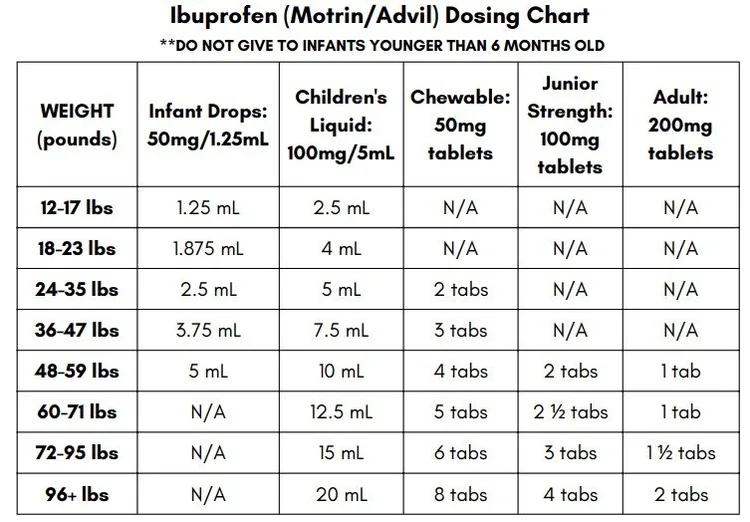 Tylenol and Ibuprofen Dosing
Taking these pills regularly can add up quickly, and before you know it, you're approaching the danger zone. So, while they might provide a bit more relief, they're not necessarily the best solution in the long run.
Alternatives and Precautions
If you're finding that you need to take ibuprofen regularly, it might be worth exploring other forms of pain relief. Your doctor can help with that, but in the meantime, here are a few things to consider:
- Ice and Heat: Depending on the type of pain, applying ice or heat can provide relief.
- Rest and Elevation: For injuries, RICE (Rest, Ice, Compression, Elevation) is often recommended.
- Stay Hydrated: Sometimes, a simple glass of water can help alleviate minor aches and pains.
And remember, if you're taking ibuprofen, it's important to:
- Take it with food or milk to minimize stomach upset.
- Avoid alcohol while taking it, as this can increase the risk of stomach upset and other side effects.
- Don't take it for more than a few days at a time without talking to your doctor.
Oh, and one more thing. If you're taking other medications, it's important to check with your doctor or pharmacist before starting ibuprofen. It can interact with some other drugs, so it's always best to be safe.
In Conclusion
So, there you have it. Ibuprofen is a fantastic tool for managing pain and inflammation, but like all tools, it needs to be used responsibly. It's not a magic pill that we can pop whenever we feel a twinge, and it's certainly not something to be taken lightly (pun intended).
Next time you reach for that bottle, take a moment to consider whether it's really necessary. And if you're taking it regularly, don't hesitate to talk to your doctor. They're there to help, after all.
Now, if you'll excuse me, I've got a hike to finish. And this time, I'll make sure to take it easy on the old knees. Until next time, folks!
