How Much Does The National Guard Pay

For many Americans, the National Guard represents a unique opportunity to serve both their country and their community, blending the discipline of military life with the famil...
For many Americans, the National Guard represents a unique opportunity to serve both their country and their community, blending the discipline of military life with the familiarity of home. People are drawn to it for the camaraderie, the sense of purpose during natural disasters, and the chance to develop skills while maintaining a civilian career. Whether it’s a weekend drill or a deployment for a hurricane response, the Guard offers a path to personal growth and civic pride that few other roles can match. Yet, when considering this commitment, a practical question often arises: how much does the National Guard actually pay? Understanding this is key to appreciating its value as a part-time career with full-time benefits.
The Guard’s core purpose is to provide a ready reserve of trained personnel for both federal missions and state emergencies. This dual role—serving under the governor during floods or wildfires and under the president during overseas conflicts—makes it a vital safeguard for everyday life. For instance, when a tornado devastates a town, Guardsmen are among the first to clear debris and set up supply lines, often earning extra income for their critical work. This structure allows members to serve without uprooting their lives, a benefit that explains why so many value the Guard as a flexible commitment rather than a full-time occupation.
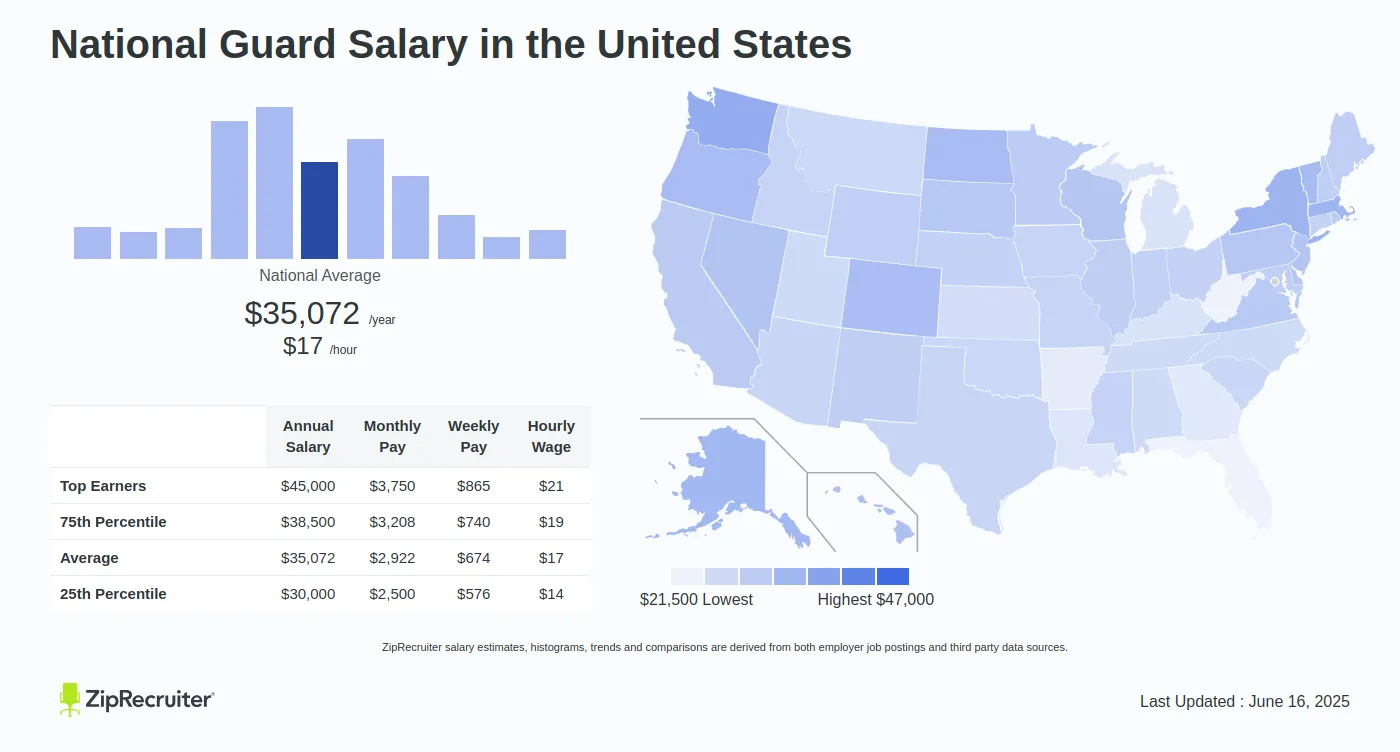
So, what does the paycheck look like? National Guard pay is based on rank and time in service, following the same pay scales as the active-duty military. For a standard monthly drill weekend—typically two days—a new recruit (E-1) earns about $250 to $300, while a specialist (E-4) with four years of service might see $400 to $500. The bigger reward, however, comes during the annual two-week training period, which can pay over $1,000 for junior enlisted members. These figures are pre-tax and vary by location due to cost-of-living adjustments. Crucially, this is part-time income that supplements a civilian job, making it a financial cushion rather than a primary salary.
Must Read
For those who deploy, the picture changes significantly. During federal activations, Guardsmen receive full-time active-duty pay, plus special pays for hazardous duties or family separation. A sergeant (E-5) deployed for a year could earn over $45,000 in base pay alone, with additional allowances for housing and food. State activations for emergencies like COVID-19 response or wildfire fighting also trigger pay, often at a reduced federal rate but still a reliable income stream during a crisis. This is where the Guard’s value shines: a few weeks of disaster duty can bring in thousands of dollars, all while serving a meaningful mission that helps neighbors in need.
Beyond the paycheck, the Guard offers benefits that dramatically boost its overall value. The most notable is the Tuition Assistance Program, which can cover 100% of in-state tuition at public universities, saving members thousands annually. Additionally, there is the Montgomery GI Bill for college money after service, low-cost health insurance called Tricare Reserve Select (often under $250 a month for a family), and a retirement system that vests after 20 years of service. These benefits mean that a Guard member’s total compensation far exceeds their drill pay—a factor that makes the role highly attractive for students, tradespeople, and professionals seeking long-term security.
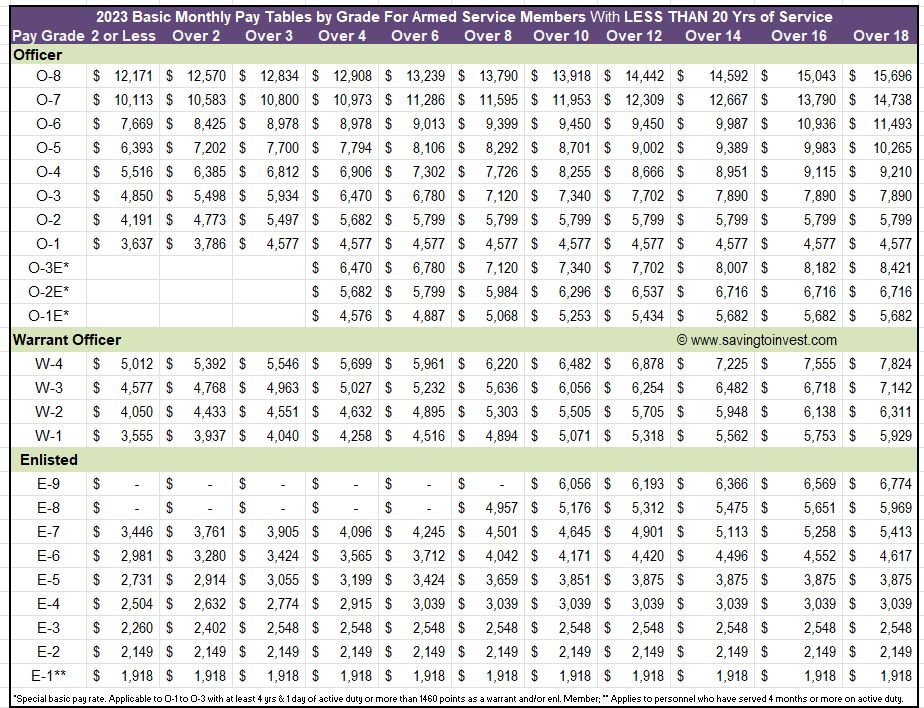 Drill Pay Calculator National Guard – GDMJB
To explore this on your own, start by visiting the official National Guard website (nationalguard.com) and use their pay calculator. Input your hypothetical rank—say, an E-3 with 2 years of service—to see exact drill pay for your state. Talk to a local recruiter; they can explain state-specific bonuses, which can reach $20,000 for certain roles like medical or cybersecurity specialists. Also, attend a drill weekend open house to meet current members and ask about their real-world experiences with pay and benefits. Finally, compare the Guard’s costs—like time away from civilian work—against the financial and personal rewards, such as leadership training and a network of lifelong friends.
In the end, the National Guard’s pay is more than a number—it’s a trade-off that offers flexible income, substantial career benefits, and a deep sense of community service. While a private’s drill pay might not rival a civilian salary, the combination of tuition help, healthcare, and retirement savings creates a powerful financial package. For those who value purpose over pure profit, the Guard proves that some rewards—like the pride of rebuilding a town after a storm—are truly priceless. The dollars matter, but the mission is what keeps people coming back, weekend after weekend.
