How Much Do Swat Team Members Make

So, you’ve watched one too many action movies where a SWAT team breeches a door in slow motion, and now you’re wondering: “Could I do that? And, more importantly, how much doe...

So, you’ve watched one too many action movies where a SWAT team breeches a door in slow motion, and now you’re wondering: “Could I do that? And, more importantly, how much does it pay?” Let’s pull back the tactical visor and look at the dollars and cents behind the helmets. Spoiler: It’s not quite Hollywood money, but it’s nothing to sneeze at either.
First things first: SWAT team members are almost always police officers first. That means their base salary comes from their local police department. The SWAT gig is a collateral duty—think of it as the most intense side hustle in the world. A patrol cop in a mid-sized city might earn between $50,000 and $75,000 a year. But slap on that heavy vest and carry a breaching tool? You’ll usually get a 5% to 15% bump in pay, often called “special assignment pay.” In high-cost cities like Los Angeles or New York, experienced SWAT officers can clear $100,000 to $130,000 total, including overtime (and trust me, there’s plenty of overtime).
But let’s get realistic. In smaller departments—say, a sleepy suburb in Ohio—a SWAT officer might only see an extra $3,000 to $6,000 a year. “That’s it?” you ask. Well, yeah. You get to shoot cool guns and rappel down buildings, but you don’t get paid like a Silicon Valley coder. Think of it as hazard pay for wearing a 60-pound suit of armor in August. Not exactly a beach vacation.
Must Read
Here’s the kicker: location is everything. According to data from the Bureau of Labor Statistics, police officers in California average over $100,000 a year, while officers in Mississippi average around $42,000. A SWAT member in San Francisco could easily make $150,000 after pay bumps and call-backs, while their counterpart in rural Alabama might be looking at $55,000. The difference? Cost of living and city tax revenue. Also, San Francisco has more opportunities to help someone who’s barricaded themselves inside a taco truck.
And don’t forget the intangible perks: prestige, adrenaline, and bragging rights. SWAT members often get first dibs on specialized training (think: hostage negotiation, explosive breaching, or advanced medical tactics). That training can be a career ladder, helping you climb to sergeant, lieutenant, or even federal positions later on. Plus, many departments offer tuition reimbursement—so you can get a degree while perfecting your “tactical roll” technique.
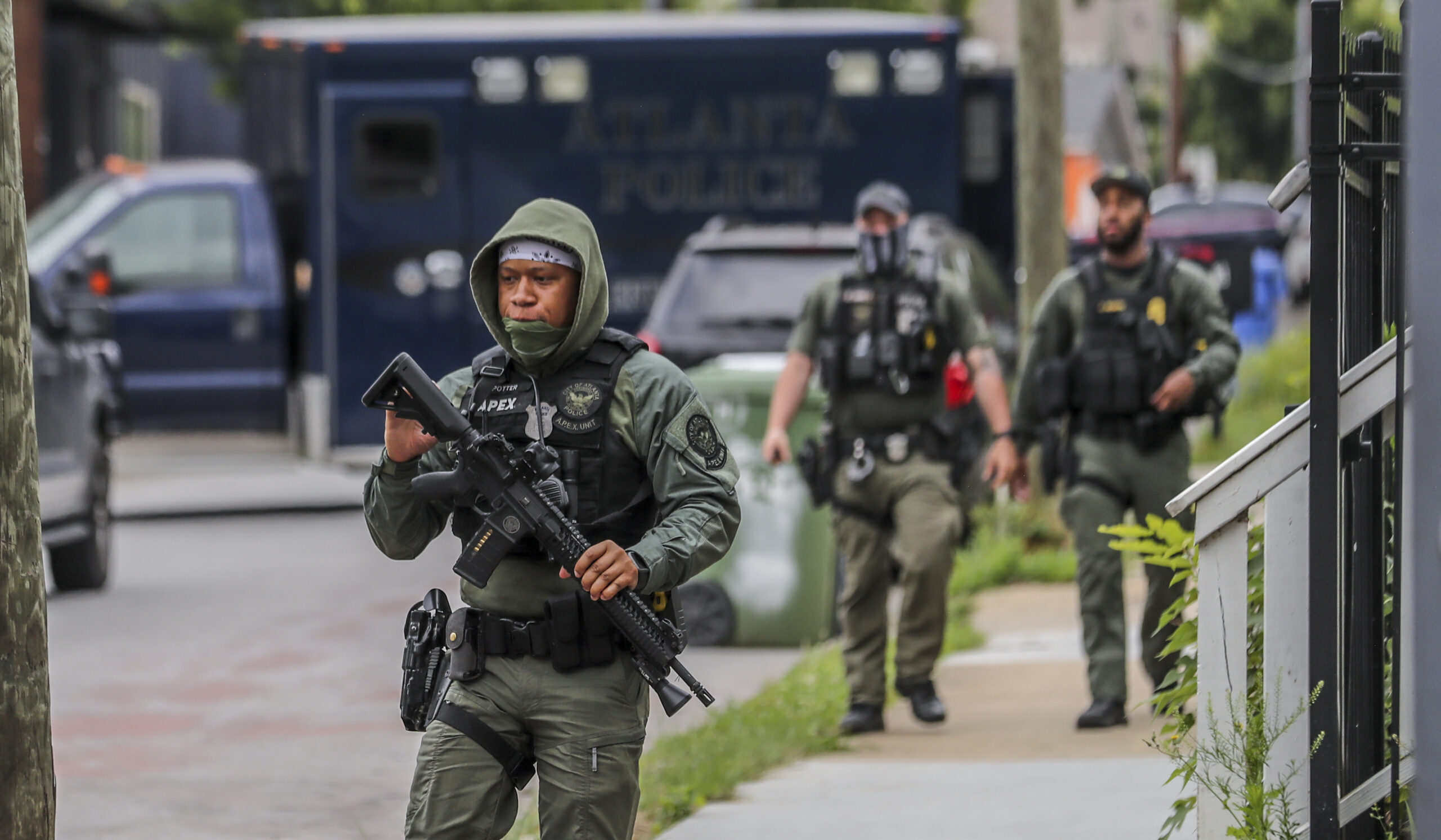 How Much Do Swat Team Members Make | The Tube
Now, a little humor break: How much does a SWAT team member make? Just enough to afford a therapist for all the helicopter crashes in video games they have to unsee. But seriously, while the base pay might not make you a millionaire, the job comes with rock-solid benefits: pensions, health insurance, and early retirement (often after 20 or 25 years). Some officers retire in their 40s with a paid-for house and a body that still (mostly) works.
Here’s the bottom line: You don’t join SWAT for the paycheck. You join because you want to be the person who runs toward chaos while everyone else runs away. It’s a calling—and sometimes that calling comes with a side of free donuts (okay, probably not, but an officer can dream).
So, if you’re crunching numbers and wondering if the extra hazard pay covers dry-cleaning for “entry dust,” the answer is probably no. But if you’re asking whether the job is worth it? Ask any SWAT officer. They’ll tell you the real reward isn’t the salary—it’s the quiet satisfaction of knowing when the worst day of someone’s life happens, you’re the one who gets to show up and make it better. And maybe, just maybe, you get to drive a tank. That’s priceless.
