How Much Do Drug Dealers Make

So, you’ve seen the movies. The fast cars, the stacks of cash, the private islands. It makes you wonder: how much do drug dealers actually make? The short answer? Way less tha...

So, you’ve seen the movies. The fast cars, the stacks of cash, the private islands. It makes you wonder: how much do drug dealers actually make? The short answer? Way less than you think. And it’s way funnier—and weirder—than any Hollywood script.
The Myth of the Millionaire
Let’s start with the biggest lie. Most street dealers are broke. Seriously. A 2018 study from the RAND Corporation tracked dealers in the U.S. and found the median hourly wage was just $9.30. That’s less than a fast-food shift manager.
Why so low? Economics. They have huge expenses. They have to buy the product, pay for "insurance" (bribes), and cover their own legal fees. Plus, they’re terrible at accounting. One dealer told researchers he spent his profits on gambling, parties, and gold chains—not retirement funds.
Must Read
The “Luxury” Tax
Here’s the kicker: drug dealers face a huge risk premium. They could go to jail. They could get robbed. They could get hurt. So should they earn a fortune for that risk? Yes, but they don’t.
One classic economics paper by Steven Levitt (of Freakonomics fame) looked at a Chicago gang. The top boss made about $100,000 a year. But the foot soldiers? They were making $3.30 an hour. That’s below minimum wage. They were actually paying for the privilege of being a gangster.
Think about that. You could flip burgers and earn more. But flipping burgers doesn’t come with a cool nickname like “Lil’ Ice.” So there’s your trade-off.
It’s a Job, Just a Terrible One
Most dealers aren’t masterminds. They’re desperate people in desperate situations. Many are teenagers or young adults looking for quick cash. They see the big shots, not the long odds.
And the business is brutal. You have to be available 24/7. You have to deal with angry customers, jealous rivals, and unreliable suppliers. It’s like running a pizza joint, but with more guns and less pepperoni.
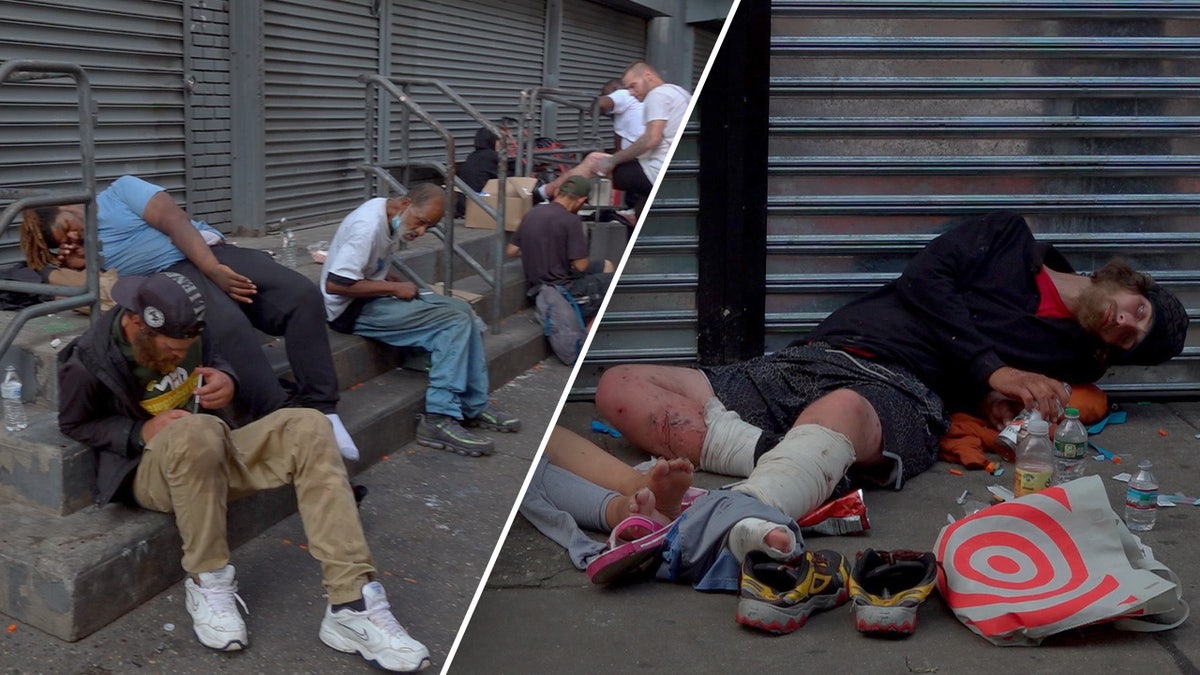 Philadelphia City Council considers curfew on businesses in this open
The Quirky Exceptions
Now, let’s talk about the exceptions. They’re the ones who make the headlines. Pablo Escobar was reportedly worth $30 billion at his peak. He had a private zoo with hippos. The hippos are still there, wreaking havoc in Colombia. That is a wild legacy.
Modern cartel bosses can still make millions. But they’re CEOs of violence, not salespeople. They oversee logistics, money laundering, and turf wars. The actual retail dealer on the corner? He’s an independent contractor with a lousy boss.
Why This Topic Rocks
This is fun to talk about because it crushes our fantasies. We love the idea of the outlaw hero who beats the system. But the reality is a small business that’s inefficient, dangerous, and financially stupid.
Plus, it reveals a hilarious truth about human nature. We will do anything for status. Even if it means a raise of zero dollars. Peer pressure is a stronger drug than cocaine.
The “Extreme Couponing” of Crime
Here’s another funny fact: some dealers use loyalty cards. Yes, you read that right. Buy ten grams, get one free. They’re basically running a frequent buyer program for illegal substances.
And just like any small business, they complain about taxes. Except their taxes are called “protection money.” And the IRS? Oh, they still want their cut. You have to file taxes on illegal income. Imagine doing your 1040EZ and writing “Illicit Substances” under occupation. That takes guts. Or a very confused accountant.
 Page 74 | KFF
The Myth of the Easy Life
Most dealers dream of getting out. They want a normal 9-to-5 with a 401(k). They just don’t know how. Their skills are niche: handling volatile clients, avoiding law enforcement, and pricing by weight. Not exactly LinkedIn material.
So they keep doing it. They tell themselves it’s temporary. But one bad deal can end it all. The average career span of a street dealer? About five years. Then it’s either jail, injury, or a new life in witness protection.
So What’s the Real Answer?
If you absolutely must put a number on it: Most drug dealers make between $10,000 and $30,000 a year. That’s a lower-middle-class income. You could earn the same working at a warehouse. Without the risk of getting shot or going to jail.
But wait! The top 1% of dealers (the cartel bosses) are pulling in $500,000 to $1 million annually. However, they also have the highest chance of getting killed. It’s a job with no retirement party.
The Final Punchline
Next time you see a flashy music video with stacks of cash, remember this: That money is mostly props. Real dealers don’t blow money on cameras. They spend it on lawyer fees and bail bondsmen.
So the next question is obvious: Why would anyone do it? Because they’re hoping to be the one in a million. They’re chasing a dream that’s as real as a unicorn. And honestly? That’s the funniest, saddest, and quirkiest part of the whole story.
