How Much Cornstarch To Thicken Soup

Let’s be honest: there is nothing worse than a soup that looks more like a sad, watery bath than a cozy, hug-in-a-bowl. You spent ages chopping carrots and simmering broth, on...
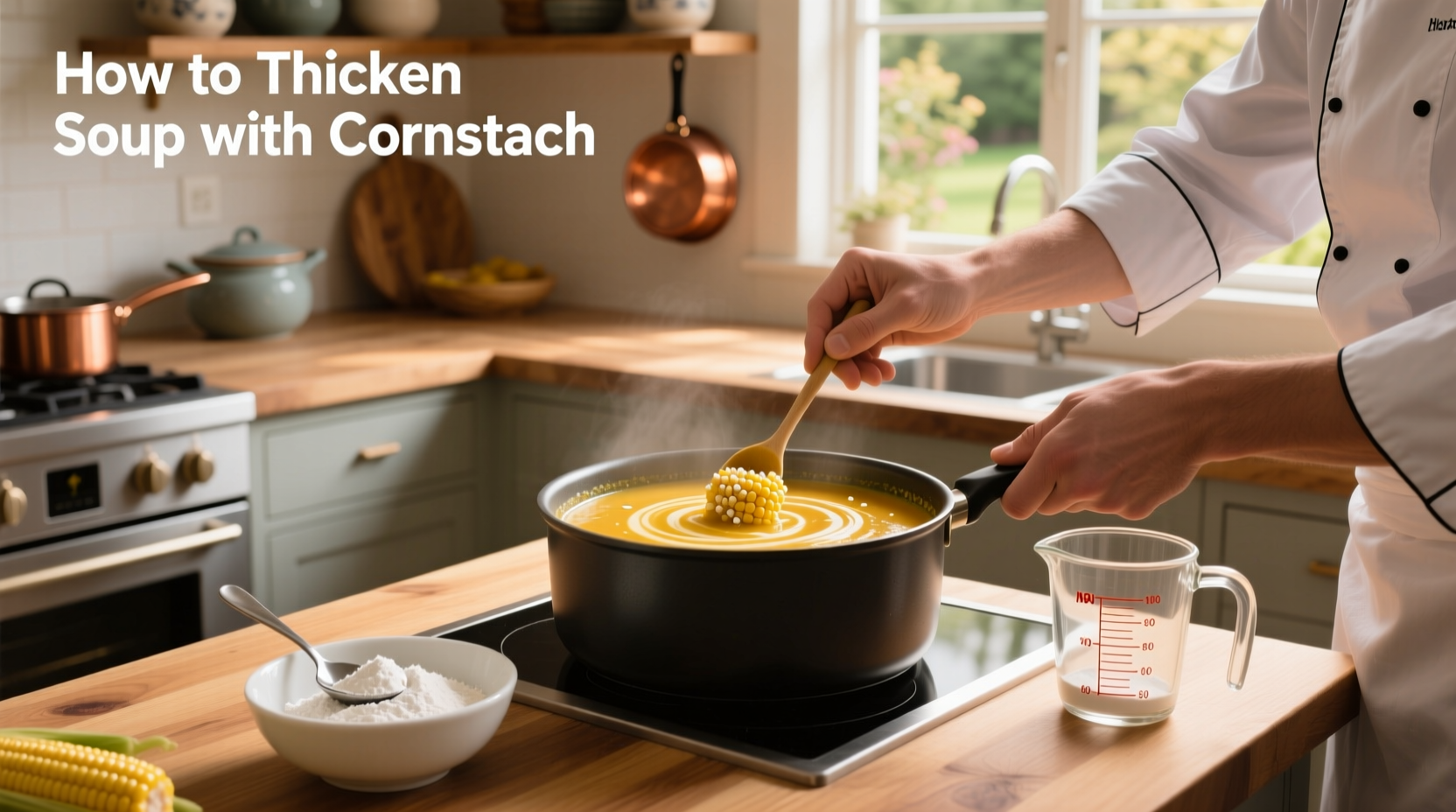
Let’s be honest: there is nothing worse than a soup that looks more like a sad, watery bath than a cozy, hug-in-a-bowl. You spent ages chopping carrots and simmering broth, only to get a spoonful that drips right off. We’ve all been there, staring into the pot and wondering where the magic went.
That’s where our pantry hero, cornstarch, steps in. It is the quiet, reliable friend who shows up to fix everything without bragging. But the big question always is: how much do you actually use without turning your masterpiece into a weird, gluey blob?
The Golden Rule That Saves Dinner
I learned this the hard way during a particularly tragic potato soup incident. I dumped in a handful of cornstarch, and suddenly I was eating what felt like savory wallpaper paste. Lesson learned.
Must Read
The magic number is simple: for every cup of liquid in your soup, you want about 1 tablespoon of cornstarch. That’s it. Think of it like adding salt—you start small, taste, and adjust.
But here is the secret handshake: you cannot just toss the powder into the hot soup. That creates sad little clumps that look like alien eyeballs bobbing around. You must make a slurry.
How To Make A Slurry (Fancy Word, Easy Task)
Grab a small bowl—the one you usually use for cereal is perfect. Add your cornstarch and then pour in about 2 tablespoons of cold water for every tablespoon of cornstarch you measured. Whisk it with a fork until it looks like a milky, thin paste.
Think of it as making a tiny, temporary glue for your soup. I always tell my kids, “We are making the soup’s raincoat.” Once the slurry is smooth, pour it into your simmering pot while stirring gently with a wooden spoon.
Watch closely. You will see the soup go from looking lonely and thin to rich and glossy in about thirty seconds. It is genuinely satisfying, like watching a magic trick happen in your own kitchen.
When You Need A Little More (Or A Little Less)
Life isn’t always one-size-fits-all, and neither is soup. For a brothy soup, like a chicken noodle or a light minestrone, use only half a tablespoon per cup. You want it to cling to the noodles, not turn into jelly.
 Mastering Cornstarch: The Right Way To Thicken Soup Perfectly Every
For a creamy chowder or a thick stew? You can bump it up to about 1.5 tablespoons per cup. Just remember: less is always more. You can always add more slurry, but you cannot un-thicken a brick.
I once tried to fix my mistake by adding more broth. For the next thirty minutes, my kitchen smelled like a farm, and I had to pretend my “chowder” was actually “porridge.”
A Few Real-World Comparisons
If you are still nervous, imagine this: one tablespoon of cornstarch per cup of soup is roughly the size of a large walnut or two healthy bites of a banana. Not that scary, right?
And here is a fun rule: for every four cups of soup (a standard medium pot), use one to two tablespoons for light thickening, and about three to four tablespoons for a hearty, spoon-standing-up kind of meal. Your belly will thank you.
Why You Should Actually Care
Look, you are not a professional chef. You are someone who just wants dinner to feel cozy without a science lab involved. Getting the cornstarch right means your soup carries flavor. A thin soup lets all the taste slip away; a properly thickened soup holds the carrot, the garlic, the love.
It also makes you look like a kitchen rockstar. When you ladle out a bowl that has just the right glossy swirl, your family will sigh with happiness. You will feel like a wizard who knows the spells.
So next time you are stirring, remember the one tablespoon per cup rule. Make your slurry, pour it slow, and watch the transformation. You have got this. And if you mess up? Call it “rustic stew.” Works every time.
