How Much Coconut Water Should You Drink A Day

Welcome to the splashy, sun-kissed world of coconut water—nature’s own sports drink and the ultimate guilt-free refreshment. You’ve probably seen bottles of this clear, slight...
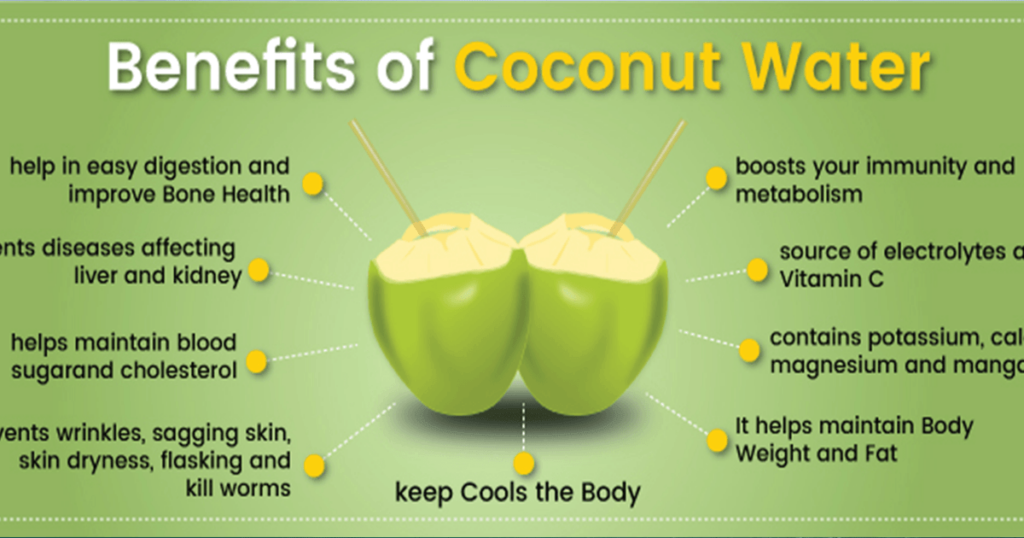
Welcome to the splashy, sun-kissed world of coconut water—nature’s own sports drink and the ultimate guilt-free refreshment. You’ve probably seen bottles of this clear, slightly sweet liquid lining store shelves, promising hydration, electrolytes, and a tropical escape in every sip. But here’s the fun part: it’s not just a trendy beverage; it’s a genuine powerhouse for your body. Think of it as a magic potion that can rehydrate you after a sweaty workout, soothe a hangover, or simply keep your energy levels steady on a scorching afternoon. The purpose of this article is to help you unlock the perfect daily dose of coconut water—so you can enjoy its benefits without overdoing it. After all, too much of a good thing can turn a blissful beach vibe into a bloated belly, and nobody signed up for that. Let’s dive into how much is just right for you.
First, let’s get clear on why you’d even want to make coconut water a daily habit. It’s rich in electrolytes like potassium, magnesium, and sodium—the very minerals your body craves after you sweat, sleep, or stress. Compared to sugary sports drinks or plain water, coconut water offers a natural boost without artificial colors or additives. It’s also lower in calories (about 45 per cup) than fruit juice, making it a smart swap for your mid-day soda. Plus, some studies suggest it can help lower blood pressure, support kidney health, and even reduce muscle cramps. The best part? It tastes like a vacation in a glass, so drinking it feels like a treat, not a chore. But here’s the catch: your body is a delicate ecosystem, and flooding it with coconut water all day long can lead to potassium overload or unwanted digestive rumbles. So, moderation is your best friend.
Now for the golden question: how much should you drink daily? The general consensus among nutritionists is that one to two cups (8 to 16 ounces, or about 250-500 ml) per day is a sweet spot for most healthy adults. Think of it as a refreshing addition, not a complete water replacement. For example, imagine you finish a 45-minute jog on a warm day—down one cup of coconut water to replenish lost electrolytes, and then drink plain water for the rest of your hydration needs. Another creative trick? Use it as a base for smoothies instead of milk or juice. Blend it with frozen mango, a handful of spinach, and a splash of lime for a post-workout reboot that tastes like a tropical storm. Or, freeze it into ice cubes and pop them into your iced tea or lemonade for a subtle, hydrating twist. The key is to let coconut water complement your routine, not dominate it.
Must Read
But what if you’re an athlete or someone who exercises intensely for over an hour? Your needs shift a bit. People who sweat heavily may benefit from up to three cups (24 ounces) on workout days, especially if they’re prone to cramps. Picture this: you’re training for a 10K run, and your legs feel like lead after mile six. Swapping one of your plain water breaks for coconut water can quickly restore potassium levels and prevent that dizzy, depleted feeling. However, be mindful of the sugar content—brands vary, but some contain added sugars or flavors. Stick to unsweetened varieties, and always check the label. A pro tip: if you’re doing yoga or a gentle hike, stick to the one-cup rule. Your body doesn’t need a flood of electrolytes when you’re just chilling in downward dog—it just needs a graceful sip.
Here’s where it gets interesting: coconut water isn’t for everyone in large amounts. If you have kidney issues (particularly chronic kidney disease) or take medications that affect potassium levels (like some blood pressure pills), you should talk to your doctor before making it a daily habit. Too much potassium can lead to hyperkalemia, which might cause heart palpitations or muscle weakness—not exactly the tropical bliss you were aiming for. Similarly, if you have a sensitive stomach, drinking more than two cups might upset your digestion because of the natural sugars and minerals. The creative solution? Dilute it! Mix half a cup of coconut water with half a cup of plain water to enjoy the flavor with a gentler electrolyte punch. This way, you still get the benefits without shocking your system.
 How Much Coconut Water Should You Drink? A 2026 Guide
Now, let’s talk timing. When should you drink your daily coconut water for maximum effect? First thing in the morning on an empty stomach can be a fantastic way to kickstart hydration after a night’s sleep—especially if you’ve had alcohol the night before (hello, hangover helper!). Alternatively, drink it during or right after exercise to instantly replace what you’ve sweated out. Avoid drinking it with heavy meals, as the extra fluids can dilute stomach acids and make digestion sluggish. One reader shared a clever habit: she keeps a bottle of coconut water in her car and sips it during her commute home after work. It’s her afternoon reset—a ritual that turns a stressful drive into a mini tropical getaway. You can create your own ritual, too. Just remember: timing makes the experience feel intentional, not excessive.
Finally, let’s wrap with a simple, actionable plan. Start with one cup (8 ounces) per day for a week and see how you feel. Are you more energetic? Less bloated? If you enjoy it and experience no side effects, you can gradually increase to two cups, especially on active days. Keep a hydration journal for fun—note when you drink it and how your body responds. And don’t forget the variety factor: try different brands or fresh young coconut water (from the actual fruit!) to taste the difference. The bottom line is that coconut water is a wonderful, versatile tool in your wellness kit, but it’s not a miracle cure or a substitute for balanced health. Sip it with joy, stay curious, and listen to your body. After all, the best daily dose is the one that leaves you feeling refreshed, not overwhelmed. Cheers to your hydration adventure!
