How Much Cholesterol Is In Chicken Breast

There’s something oddly satisfying about demystifying the everyday foods we eat, and chicken breast is a perfect candidate. It’s a staple for so many—from gym enthusiasts twea...
There’s something oddly satisfying about demystifying the everyday foods we eat, and chicken breast is a perfect candidate. It’s a staple for so many—from gym enthusiasts tweaking their macros to busy parents looking for a quick, reliable dinner. The practical joy here is simple: you get to enjoy a lean, protein-packed meal without the nagging worry about your cholesterol numbers. For people managing heart health, athletes fueling recovery, or anyone just trying to eat a bit smarter, knowing exactly how much cholesterol is in that boneless, skinless breast can turn a vague fear into a calm, informed choice. It’s not about restriction; it’s about confidence at the grocery store and in the kitchen.
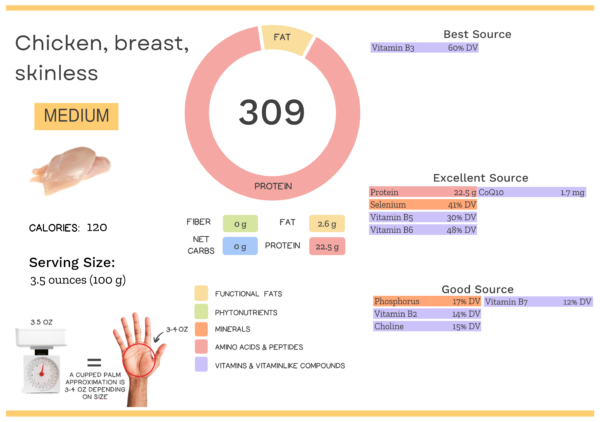
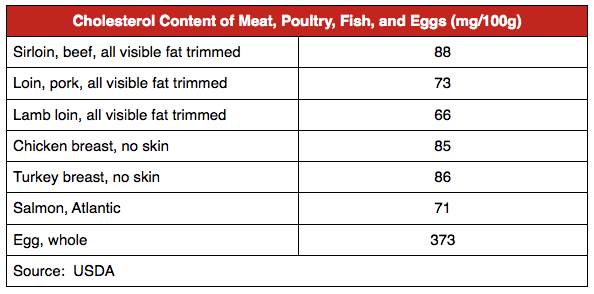
So, let’s cut to the numbers. A standard 3.5-ounce (100-gram) serving of cooked chicken breast—without skin—contains roughly 85 milligrams of cholesterol. To put that in perspective, the American Heart Association suggests limiting daily cholesterol to about 300 milligrams for most people, or 200 if you have heart disease risk factors. That means one serving hovers around 28% of that upper limit. Compare that to a large egg yolk (about 186 mg) or a beef steak (around 90 mg per 3.5 ounces), and chicken breast quietly positions itself as a moderate option. The key detail? Skinless and lean—remove the skin, and you remove a significant chunk of saturated fat, which is actually the bigger villain for blood cholesterol levels.
It’s worth noting that not all chicken breasts are created equal. A roasted or grilled breast with skin on can bump that cholesterol number slightly, but more importantly, it adds saturated fat. A breaded and fried chicken breast, say from a fast-food joint, can send both cholesterol and fat climbing because of the oil and coating. The variations you see at the deli counter or in pre-packaged meals also matter: a rotisserie chicken breast might be brined and cooked with skin (then removed), so the cholesterol content stays near 85 mg, but the sodium can skyrocket. The simplest rule of thumb: choose plain, skinless, baked or grilled for the cleanest profile.
Must Read
Why does this number matter to different people? For someone with high LDL (“bad”) cholesterol, the focus shifts to limiting saturated fat rather than dietary cholesterol itself—a concept that’s still widely misunderstood. Chicken breast, being very low in saturated fat (less than 1 gram per serving), is often a better choice than red meat or processed meats. For a bodybuilder or weekend warrior, the high protein-to-cholesterol ratio (about 31 grams of protein per serving) makes it a star for muscle repair without overloading the heart. And for a parent trying to feed a family? It’s a versatile base that can be seasoned simply, paired with veggies, and served without guilt.
Getting the most out of this knowledge is straightforward. First, trim any visible fat—even a little bit of fat can add saturated fat, which nudges cholesterol higher. Second, cook without added fats: use a non-stick pan, oven-bake with a light spray of oil, or poach in broth. Third, pair it smartly: serve with fiber-rich foods like oats, beans, or leafy greens, which help lower cholesterol absorption in the gut. Avoid heavy cream sauces or butter-laden gravies that can counteract the lean benefits. A simple tip: marinate in lemon juice, herbs, and garlic—it adds flavor and zero cholesterol.
/chicken-fce406be83d949c78fd9324d37705510.jpg) Chicken Breast Nutrition Facts and Health Benefits
Chicken Breast Nutrition Facts and Health Benefits
If you’re just starting to track this, don’t stress over a single meal. The bigger picture is your overall dietary pattern. A chicken breast might contribute 85 mg of cholesterol, but if you eat it alongside avocado (healthy fats) and a quinoa salad (fiber), your body handles that cholesterol far differently than if you paired it with a side of fries. Consistency over perfection is the mantra. Keep a mental note: one serving of skinless chicken breast is about the size of your palm, and that’s your baseline.
In the end, knowing the cholesterol content in chicken breast isn’t about fear—it’s about empowerment. It transforms a mundane ingredient into a versatile tool for health, whether you’re managing a condition, building strength, or simply enjoying dinner without second-guessing. So go ahead, season that breast with a little paprika and thyme, grill it up, and feel good about the choice. Your heart—and your taste buds—will thank you.