How Much Alcohol In Mulled Wine

There is perhaps no beverage more synonymous with winter comfort and festive cheer than mulled wine. The aroma alone—a fragrant cloud of clove, cinnamon, and orange—can instan...

There is perhaps no beverage more synonymous with winter comfort and festive cheer than mulled wine. The aroma alone—a fragrant cloud of clove, cinnamon, and orange—can instantly conjure images of cozy fireplaces, bustling Christmas markets, and gatherings with loved ones. People value it not just for its warmth, but for its ability to transform a simple glass of red wine into a sensory experience that soothes the soul. Its key purpose is to provide comfort and communal joy, acting as a social lubricant that helps people slow down, savor the moment, and connect with others during the hectic holiday season. For everyday life, a small batch on a chilly evening can turn a mundane weeknight into a mini-celebration, offering a low-stakes ritual of relaxation and mindfulness.
However, the very element that makes mulled wine so pleasant—its alcohol content—is also a source of frequent confusion. Many assume that because the wine is heated for an extended period, the alcohol evaporates almost entirely. This is a common myth. In reality, while some alcohol does evaporate during simmering, the amount that remains is surprisingly high. The crucial factor is both time and temperature. A brief, gentle heating—just until steam rises and the wine is hot, but not boiling—will preserve most of the original alcohol, often retaining over 85% to 90%. This means a standard 750ml bottle of 13% ABV red wine, once gently mulled, can still deliver a potent punch, equivalent to several drinks.
To truly understand the alcohol content, you must first consider your starting point. The base wine itself usually ranges from 9% to 14% ABV (Alcohol by Volume). A typical mulled wine recipe then adds additional spirits—often brandy, rum, or a liqueur like Grand Marnier. A single shot (1.5 oz) of 40% ABV brandy mixed into a pot of five glasses of wine can raise the final ABV by roughly 2% to 3%. The scenario is simple: a cup of mulled wine made from a standard red wine (12% ABV) with a splash of brandy, gently heated for only a few minutes, might easily have an effective ABV of 10% to 12%—meaning it is nearly as strong as the original wine, if not slightly stronger due to the added spirit.
Must Read
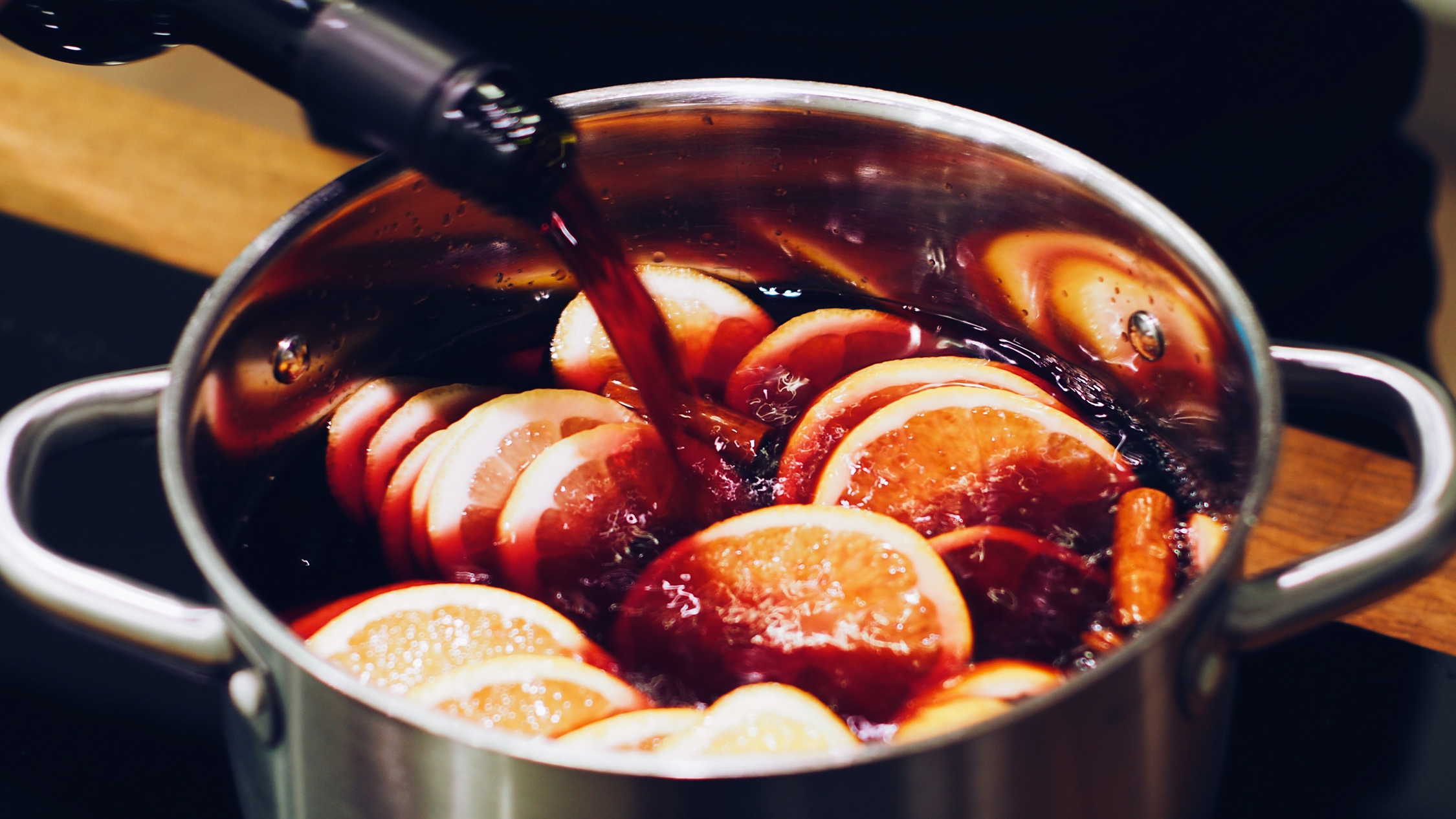
The method of heating is your most powerful tool for controlling strength. If you bring the wine to a rolling boil and let it simmer for twenty minutes or more, you can drive off a significant portion of the alcohol. Science tells us that alcohol (ethanol) boils at 173°F (78.4°C), which is lower than water’s boiling point. A prolonged, vigorous boil can reduce the alcohol content by up to 50% or more. Conversely, the gentle warm-up method—heating the wine over low heat, never letting it bubble, and serving it immediately—will leave the alcohol content almost unchanged. This knowledge is a practical benefit: it allows you to tailor the drink to your occasion, whether you want a soothing, low-alcohol warmer or a more spirited, celebratory cup.
Consider a common evening scenario: you are hosting a holiday party with friends. You want everyone to enjoy the mulled wine, but you also want your guests to remain social and safe, especially if they need to drive later. In this context, the benefit of understanding alcohol retention becomes clear. A simple tip is to avoid adding extra spirits to the pot, relying solely on the wine and spices. Another crucial tip is to follow the gentle warm-up method but serve it immediately, as alcohol evaporates most rapidly during the first 30 minutes of heating. For those who desire a truly low-ABV version, a final, effective tip is to simmer the wine on low heat for 20–30 minutes, covered, before serving, which allows a substantial amount of alcohol to dissipate while still preserving the rich, spiced flavor.
 Rotwein Alkoholgehalt: Wie viel Alkohol ist in Rotwein? – Coravin EU
Beyond the science, the experience of mulled wine is about balance and intention. The alcohol content is not just a technical detail; it directly affects how the drink makes you feel. A cup with high retained alcohol will deliver a quicker, more pronounced warmth and potential relaxation, which can be wonderful for a solitary evening of reflection. A lower-alcohol version offers a more sustained, gentle warmth, perfect for a long afternoon of socializing where you want to enjoy the flavors without the effect becoming overwhelming. Recognizing this empowers you to use the drink as a tool for different moods: a warming ritual for a quiet night, or a shared treat for a lively gathering.
Ultimately, the question “how much alcohol in mulled wine?” leads to a deeper appreciation for this beloved beverage. It is not a static number, but a variable you can control. By choosing your base wine wisely, deciding whether to fortify it with spirits, and mastering the art of gentle versus vigorous heating, you become the craftsman of your own cheer. So, the next time you prepare a pot, take a moment to consider the outcome you desire. Do you want a gentle, aromatic hug in a cup, or a bright, spirited celebration? The answer lies in the flame, the time, and your own intentionality—turning a simple drink into a truly personalized experience.