How Many Standard Drinks Are In A Bottle Of Wine

For many, a bottle of wine is more than just a drink; it’s a companion to a shared meal, a symbol of celebration, or a simple evening ritual. Whether you’re uncorking a robust...
For many, a bottle of wine is more than just a drink; it’s a companion to a shared meal, a symbol of celebration, or a simple evening ritual. Whether you’re uncorking a robust Cabernet with a steak dinner or a crisp Sauvignon Blanc on a warm patio, wine offers a moment of connection and taste. Yet, amidst the pleasure, a practical question often arises: exactly how many standard drinks are you pouring from that bottle? Understanding this number isn’t about spoiling the fun—it’s about empowering you to enjoy wine responsibly, track your intake, and ensure that good times stay both enjoyable and safe.
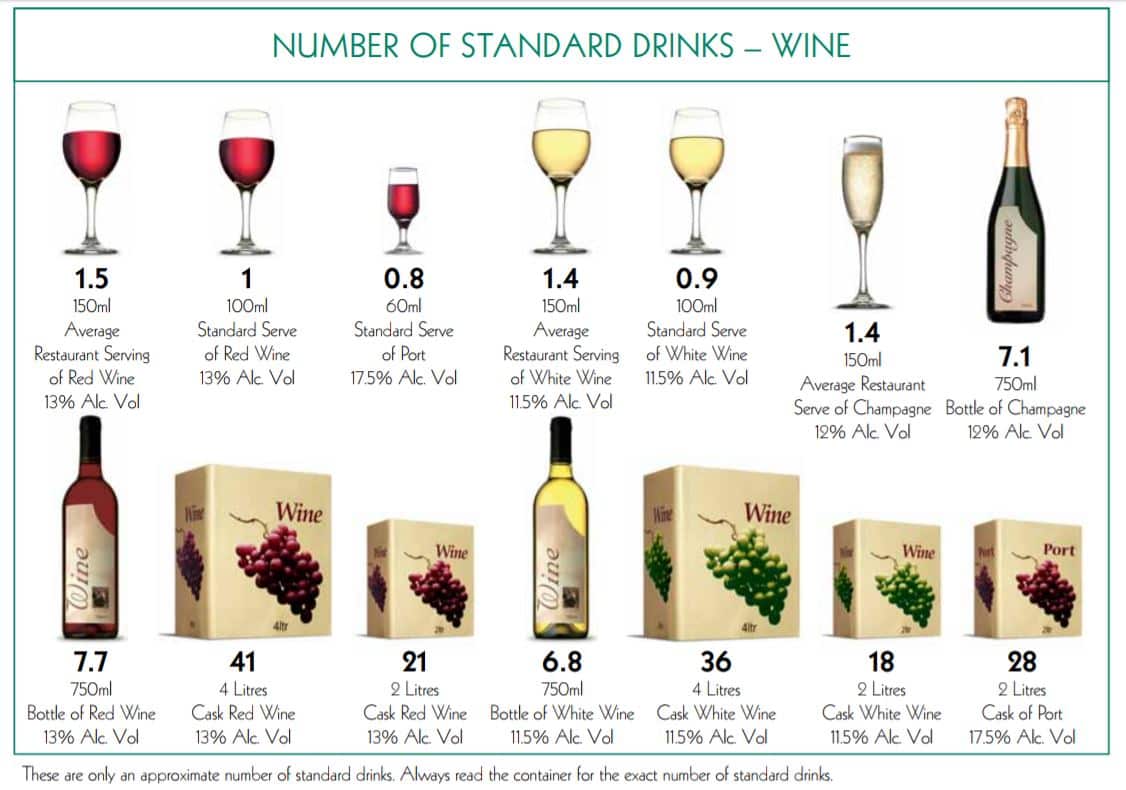
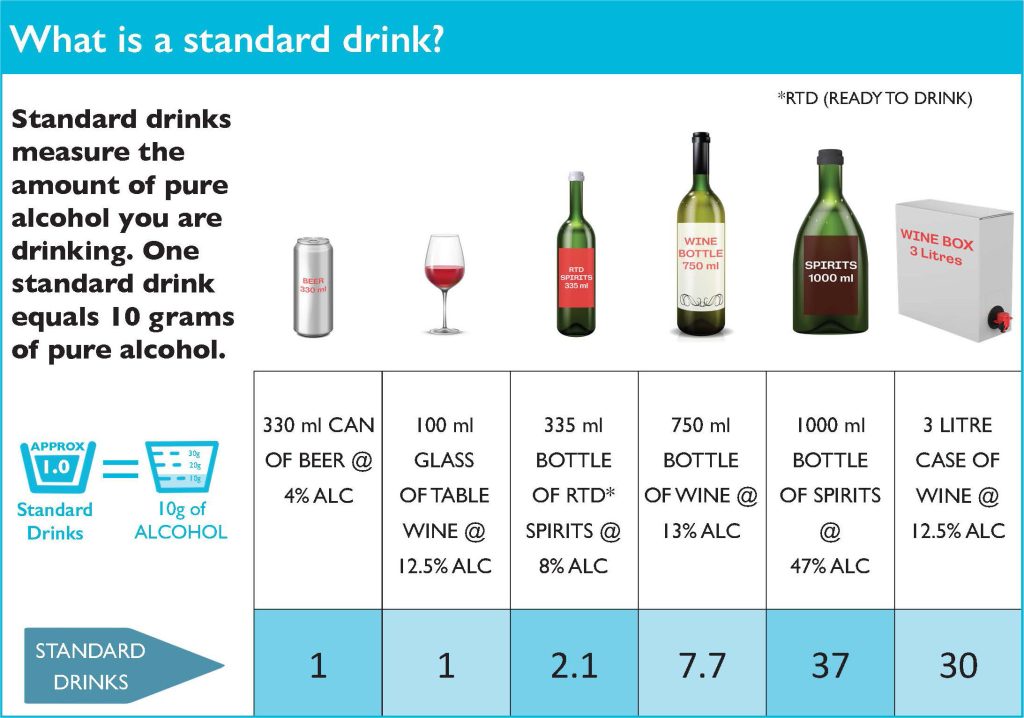
In essence, a standard drink is a unit of measurement designed to help people understand their alcohol consumption. It’s defined by the amount of pure alcohol a beverage contains, not just the volume of liquid. In the United States, one standard drink holds roughly 14 grams (0.6 fluid ounces) of pure ethanol. For wine, this calculation depends on two key factors: the alcohol by volume (ABV) percentage and the size of the pour. A typical bottle holds 750 milliliters (25.4 fluid ounces), and most wines range from 12% to 15% ABV. Using these figures, a standard 750 ml bottle of wine at 12.5% ABV contains approximately five standard drinks. This number can climb to nearly six or even seven drinks if the wine is a higher-alcohol style, such as a Zinfandel or fortified wine like Port. Knowing this baseline lets you translate a shared bottle into a clear picture of total consumption.
Why does this matter in everyday life? Consider a typical dinner party: you and a friend split a bottle of red wine over two hours. If that bottle contains five standard drinks, each of you is consuming 2.5 drinks in that span. This context helps you gauge your own limits, especially against health guidelines. For instance, the U.S. Dietary Guidelines suggest that moderate drinking means up to one drink per day for women and up to two for men. Suddenly, sharing a full bottle becomes a more significant event than a casual weeknight glass. A single large pour (like a 9-ounce restaurant serving) might equal two standard drinks in a single glass, which can sneak up on you. By thinking in these units, you can better pace yourself, avoid overindulgence, and truly savor the taste—not just the effect.
Must Read
Beyond personal health, understanding standard drinks has practical benefits for planning. Imagine you’re hosting a small gathering of six adults. If each person likely consumes two drinks over the evening, you’d need 12 standard drinks. Since one bottle of wine gives you roughly five standard drinks, you’ll require 2.5 bottles to cover your guests—so plan for three to be safe. This calculation also helps when mixing wine with beer or cocktails. A bottle of wine at 12.5% ABV equals about one six-pack of light beer or five shots of distilled spirits. Using these comparisons, you can create a balanced bar that respects everyone’s limits, avoiding waste or excess. It turns wine from a mysterious indulgence into a manageable part of a responsible social gathering.
 Recognising a problem – First Aid For All Staging
For those eager to explore this concept firsthand, here are a few simple tips. Check the label for the ABV percentage—this number is your starting point. Most wines list it near the alcohol content or on the back label. Next, measure your pour. A standard wine pour is 5 ounces (about 150 ml), which typically yields one standard drink at 12.5% ABV. Use a small measuring cup or a pre-marked wine glass for a few practice pours until you can eyeball it accurately. Finally, use an online calculator or a smartphone app that lets you input the bottle size and ABV to get an instant drink count. These tools turn abstract math into a quick, reliable habit, making it easier to track your intake across different wines and occasions.
Ultimately, knowing the number of standard drinks in a bottle of wine transforms your experience from passive consumption to informed enjoyment. It demystifies the evening, allowing you to appreciate the flavor without losing control. When you understand that a single bottle can serve as five individual servings, you’re better equipped to share it mindfully, toast with confidence, and wake up feeling great. So next time you reach for that bottle, remember: it’s not just about how much you drink, but how you drink it. With this simple knowledge, wine remains a source of pleasure—and a tool for a more balanced life.