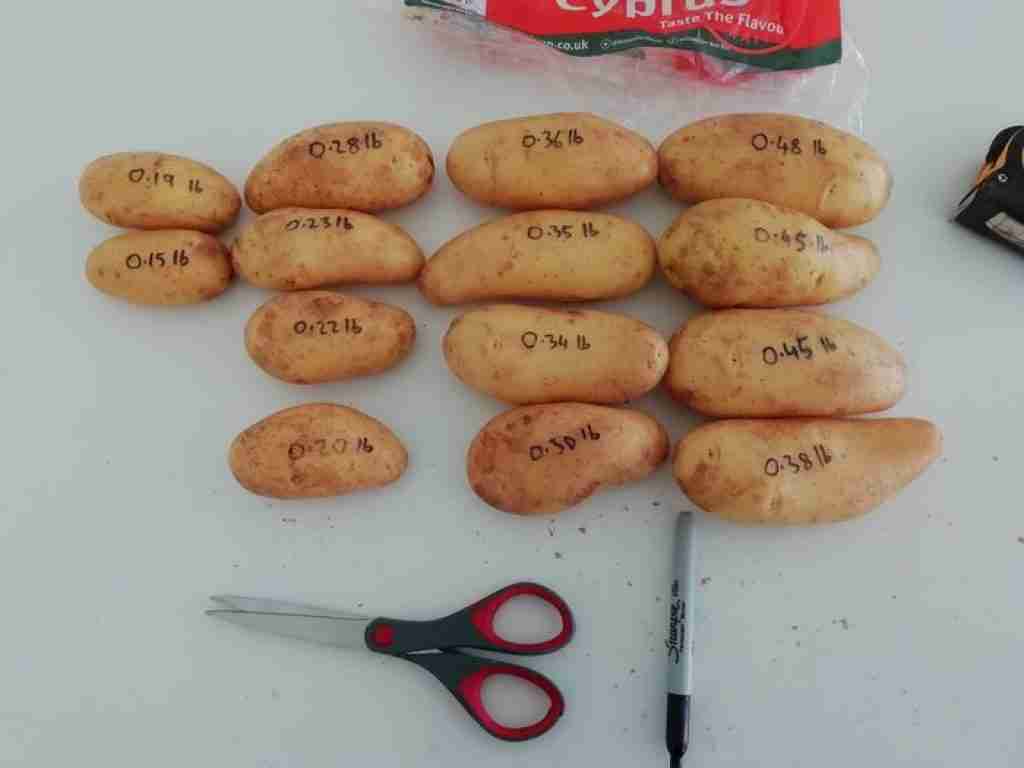
How Many Potatoes Is One Pound

Have you ever stared at a bag of potatoes, wondering just how many you’d need for that perfect mashed potato recipe? There’s something genuinely satisfying about nailing the r...
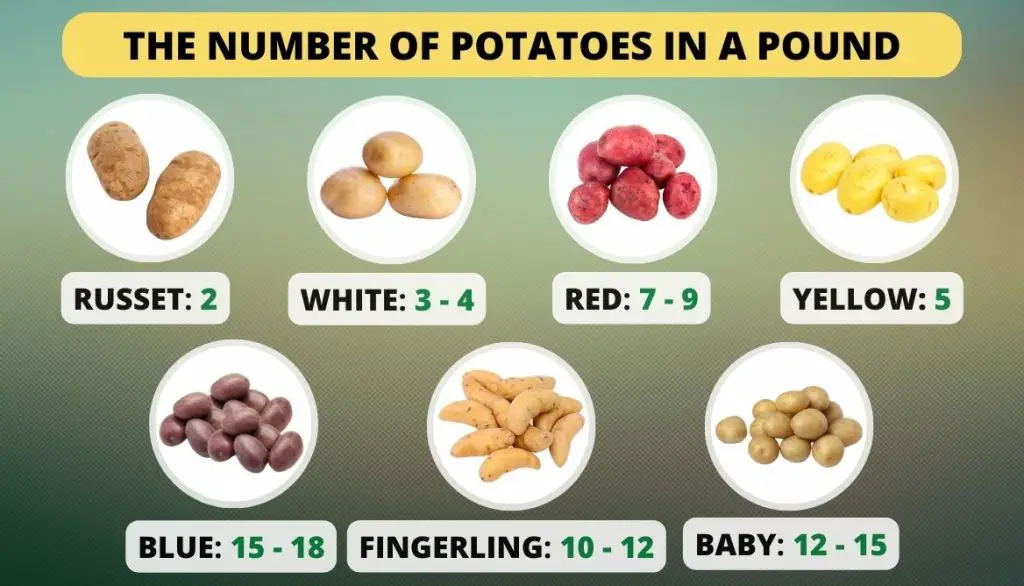
Have you ever stared at a bag of potatoes, wondering just how many you’d need for that perfect mashed potato recipe? There’s something genuinely satisfying about nailing the right quantity—it’s a small, practical victory in the kitchen. Perhaps you’ve been following a favorite stew recipe that calls for “one pound of potatoes,” or you’re planning a big batch of roasted wedges for a gathering. This simple question—how many potatoes make a pound?—is more than a trivia fact. It’s a handy tool for everyone from novice cooks to seasoned meal preppers, saving time, reducing food waste, and ensuring consistent results. The best part? You don’t need a scale to master it.
The straightforward answer, of course, depends on the potato’s size. A good rule of thumb is that one medium potato—roughly the size of a computer mouse or your fist—weighs about 5 to 6 ounces. So, for a pound, you’re looking at roughly two to three medium potatoes. If you’re using small, golf-ball-sized new potatoes, you’ll need about six to eight to hit that one-pound mark. For a large baking potato, like a Russet you’d stuff with cheese and bacon, one single massive spud can easily tip the scales at 10 to 12 ounces—meaning just one and a half of those are equal to a pound. This size variation is precisely why the question feels so relatable: you’re adapting to whatever you have on hand.
Why does this matter beyond pure curiosity? Think about your very specific cooking goals. For mashed potatoes, a pound typically serves two to three people generously. If you’re making french fries for a game day snack, one pound yields about four fist-sized portions of crispy strips. And for a hearty soup, that same pound of diced potatoes adds just the right amount of body without overwhelming the broth. Understanding these equivalents helps you plan meals better, especially when scaling recipes up or down. It also prevents that common panic: “Should I buy the 3-pound bag or the 5-pound bag for four people?” Knowing your pound-to-potato ratio makes the answer obvious.
Must Read
Here’s a simple, actionable tip to get started without a scale: use your hand. The next time you pick up a potato, imagine it fitting neatly into your palm. A medium potato that fills your palm (without bulging over the edges) is your baseline. Two of those make a pound. If you want to be extra precise, a quick trick: two cups of diced raw potatoes is approximately one pound. So if a recipe says “1 lb. peeled, cubed potatoes,” just chop until you have a generous two-cup pile. This visual guide is incredibly freeing—you’ll stop reaching for the kitchen scale every time.
For those who prefer a more systematic approach, common variations are worth noting. Red potatoes tend to be smaller and denser, so you might need three or four to equal a pound. Yukon Golds are usually right in the middle—two medium ones will do. And sweet potatoes? They’re often larger and less dense than white potatoes, so one medium sweet potato can be around 8 ounces, meaning you’ll only need one and a half to two for a pound. Keep a mental note: the smaller the variety, the more you’ll handle, but the math stays friendly.
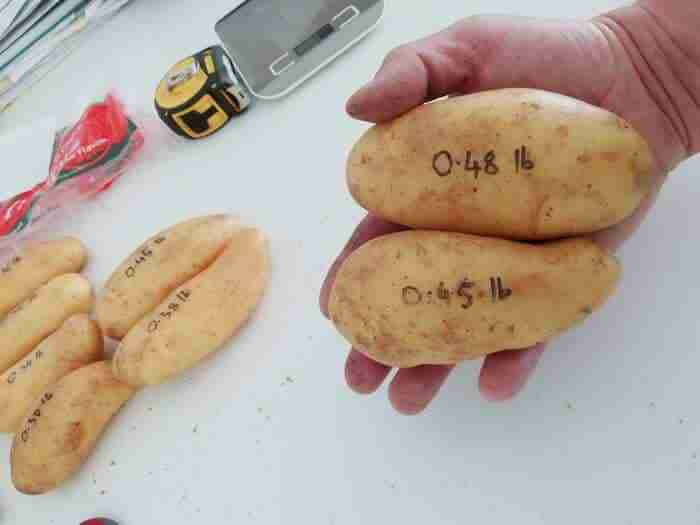 How Many Potatoes In A Pound? quick and easy
Making the most of this knowledge means embracing a little flexibility. Instead of stressing over exact weights, think of it as a loose guide. If a recipe asks for a pound and you only have three small potatoes, you’re almost certainly fine—just add an extra splash of milk to your mash or toss in another carrot to your soup. The real benefit is confidence: you can now estimate servings, adjust for hunger, and even buy potatoes in bulk without fear of over- or under-measuring. That’s the quiet joy of a practical kitchen skill—it makes cooking easier, faster, and far less stressful.
So next time you’re at the store or peeling for dinner, remember: two handfuls of average-size spuds is your pound. Whether you’re making creamy mashed potatoes, crispy roasted wedges, or a simple potato salad, this tiny piece of knowledge pays off in delicious consistency. And honestly? There’s something oddly satisfying about knowing you can outsmart a recipe without a single digital scale. That’s the kind of easy-going, real-world wisdom that makes cooking feel less like a chore and more like a confident, creative act.