How Many Positions Are There In Basketball

Welcome to the wonderful world of basketball positions—a topic that’s less about rigid rules and more about unlocking the magic of teamwork on the court. Whether you’re a new...
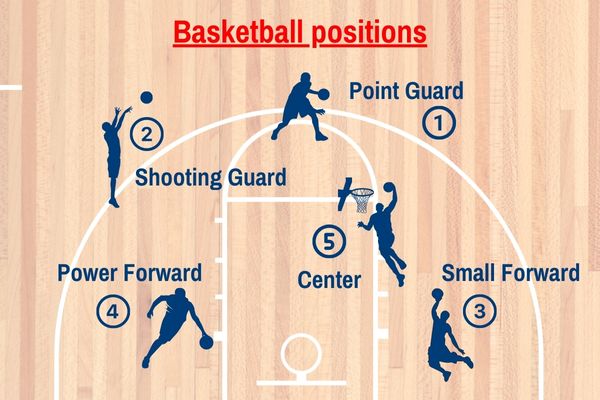
Welcome to the wonderful world of basketball positions—a topic that’s less about rigid rules and more about unlocking the magic of teamwork on the court. Whether you’re a new fan trying to follow the game or a player looking to find your niche, understanding these roles is like learning the secret language of hoops. It makes watching games way more exciting and helps you appreciate how every player contributes to the symphony of a fast break or a perfect pick-and-roll. The best part? You don’t need to be a seven-foot giant or a lightning-fast dribbler to find your perfect spot—there’s a position for every body type and skill set. So, let’s dive into the classic five positions that have shaped basketball for decades, and see why they still matter today.
Let’s start with the Point Guard, often called the “floor general” or the coach on the court. This is the player who handles the ball most of the time, directs the offense, and sets up plays like a chess master in sneakers. Think of Magic Johnson or Steph Curry—they’re not just passers; they control the tempo, read defenses, and make split-second decisions. The Shooting Guard, meanwhile, is your primary scorer from the perimeter, the player who you want taking the clutch three-pointer. Michael Jordan and Kobe Bryant are iconic examples, blending scoring with lockdown defense. Together, these two “guards” form the backcourt, and their chemistry can make or break a team’s flow. A fun creative idea: imagine your point guard as the drummer keeping the beat, while the shooting guard is the lead guitarist hitting the solos—both essential, but with totally different vibes.
Now, let’s move to the frontcourt, starting with the Small Forward. This position is the ultimate jack-of-all-trades—players who are athletic, versatile, and can score from anywhere. LeBron James and Kevin Durant are perfect examples: they’re tall enough to post up, quick enough to drive, and skilled enough to shoot threes. The Power Forward is the enforcer inside, a mix of strength and agility. Think Tim Duncan or Giannis Antetokounmpo—they battle for rebounds, set brutal screens, and score in the paint. Finally, we have the Center, the tallest player on the court, often positioned near the basket to block shots, grab rebounds, and score with dunks or hook shots. Shaquille O’Neal and Hakeem Olajuwon defined this role. A creative twist: imagine your team’s positions as a Swiss Army knife—the small forward is the scissors (versatile), the power forward is the screwdriver (strong and precise), and the center is the big blade (dominating and straightforward).
Must Read
But here’s the exciting secret of modern basketball: positions are evolving faster than ever! Coaches now love “positionless” basketball, where players blur the lines between roles. A point guard might post up like a center, and a center might shoot threes like a guard (think Nikola Jokić or Joel Embiid). This flexibility creates matchup nightmares for opponents and makes the game more dynamic and unpredictable. For example, Golden State Warriors use a “Death Lineup” with five players who can all pass, shoot, and defend multiple positions. So, when you watch a game, don’t get stuck on labels—look for how players adapt. A fun tip: next time you watch a pro game, count how many times a player defends someone taller or shorter than them. You’ll quickly see that the old “five positions” are now just a starting point for creativity.
If you’re a player wanting to find your position, here’s some practical advice: start by asking three simple questions. First, what’s your natural height and build? Taller players usually gravitate toward forward or center, but don’t let that limit you—small guards like Isaiah Thomas (5’9”) proved heart and skill matter more. Second, what do you love doing on the court? If you enjoy passing and leading, try point guard. If you love rebounding and physical play, power forward might be your home. Third, what are you willing to improve? Even if you’re a natural center, learning to dribble and shoot will make you unstoppable. A great drill: practice all five positions in a pickup game—spend one game as the point guard, another as the center. You’ll discover hidden strengths and build empathy for your teammates’ roles.
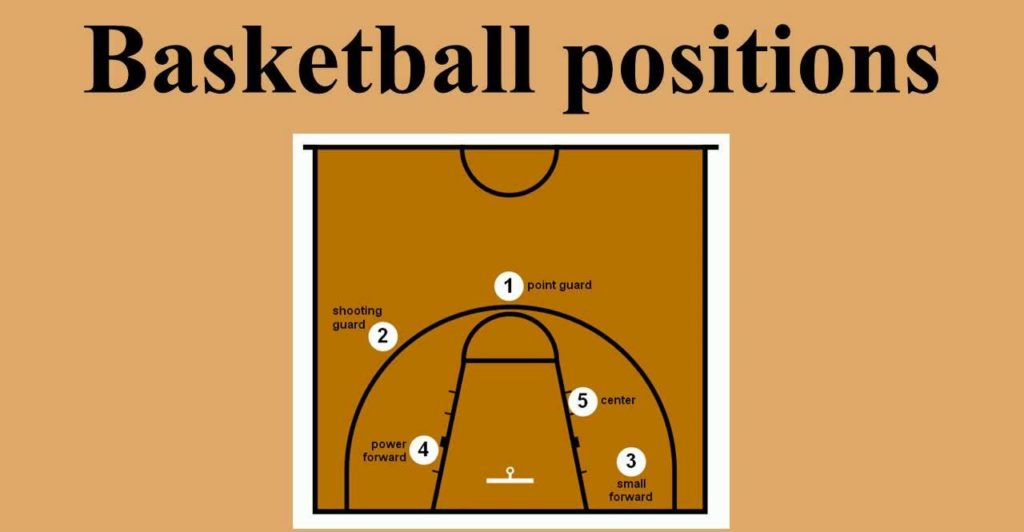 Basketball Positions: Power Forward, Point Guard, Shooting Guard
For coaches and fans, understanding positions helps you analyze games more deeply. When you see a team with two point guards on the floor (like the Phoenix Suns with Chris Paul and Devin Booker), it’s not a mistake—it’s a strategy to maximize ball-handling and creativity. Similarly, a “big” lineup with two centers (like the Houston Rockets’ twin-tower experiment) can dominate the boards. The key advantage is knowing that positions are tools, not chains. They help you design plays, decide who guards whom, and predict where the ball will go. Next time you watch a game, try to predict which position the opposing team will exploit—and see if you’re right. This active viewing will make every game feel like a puzzle you’re solving.
In the end, the question “How many positions are there?” has a beautifully simple answer: five traditional roles, but unlimited possibilities. The true fun lies in watching how players reinvent those roles every season. So, whether you’re a die-hard fan, a weekend warrior, or a kid just learning to dribble, embrace the flexibility. Try playing a different position each week, or study one player who defies labels (like Draymond Green, a forward who plays like a point guard). The biggest advantage is that basketball welcomes everyone—you just need to find your groove. And remember: the best position is the one where you can help your team win and have a blast doing it. Now, go out there, watch a game, and see the positions come alive in front of your eyes!
