How Many Layers Should A Lasagna Have

There’s something wonderfully reassuring about a lasagna. It’s the culinary equivalent of a warm blanket on a rainy Sunday. But if you’ve ever stood over a dish, a layer of no...
There’s something wonderfully reassuring about a lasagna. It’s the culinary equivalent of a warm blanket on a rainy Sunday. But if you’ve ever stood over a dish, a layer of noodles in hand, you’ve likely wondered: how many layers should this thing actually have? The great thing is, there’s no single correct answer—and that’s what makes this topic so enjoyable. Whether you’re a perfectionist aiming for a towering masterpiece or a busy parent looking for a quick weeknight win, the number of layers defines the soul of your lasagna. It’s a practical, delicious puzzle that brings people together, from Italian nonnas to college students with a box of pre-made pasta.
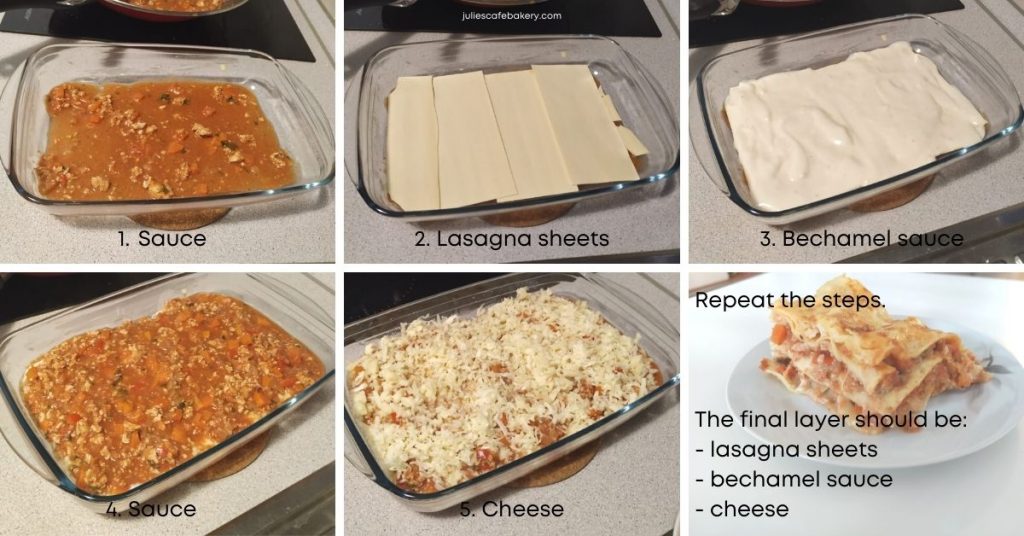
At its core, the purpose of layering is balance. Too few layers, and you’re basically eating a sad pile of ricotta with pasta. Too many, and you risk a structural collapse—a so-called “lasagna avalanche.” The classic approach, found in many Italian-American cookbooks, calls for three layers of noodles. This is the sweet spot for a standard 9x13 pan: it gives you enough height for a satisfying bite while keeping the dish firm enough to slice into clean squares. Three layers also work beautifully for beginners, as it reduces the chance of overcooking the noodles or having the sauce dry out.
That said, four or five layers are where things get delightfully bold. Restaurants often use four layers to create that dramatic, towering slice that photographs beautifully on social media. To pull this off, you need slightly more sauce and a bit more patience: let the lasagna rest for at least 15 minutes after baking. I once made a five-layer lasagna for a dinner party, and while the center was a little soggy, the guests were too busy swooning over the abundance to care. Pro tip: if you go beyond three layers, use no-boil noodles or pre-cook your sheets until just al dente—they’ll absorb moisture better.
Must Read
But what about the thickness of each layer? This is where personal preference shines. Some folks love a thick, chunky meat ragù, while others prefer a thinner, creamier béchamel. A great rule of thumb is to keep each filling layer about ½ inch thick. For example, spread your ricotta mixture evenly, then add a modest amount of sauce—not so much that it pools, but enough to coat every noodle. Remember: the noodles themselves count as layers too, so a four-layer lasagna actually has four pasta sheets, each separated by two different fillings. Visualize it as a sandwich of pasta, cheese, sauce, and more pasta.
One common variation that’s worth trying is the “skinny” lasagna, often made with two layers. This works wonders in a smaller, deep dish or when you’re pairing it with a hefty salad and bread. It’s also a great option for meal prep: you can freeze two-layer individual portions in ramekins. On the flip side, the “garden lasagna” (with zucchini or spinach) benefits from three layers because the vegetables release moisture, so an extra layer of noodles helps absorb it. No matter what, always start and end with a layer of sauce on the bottom and top—this prevents sticking and creates a golden, bubbly crown.
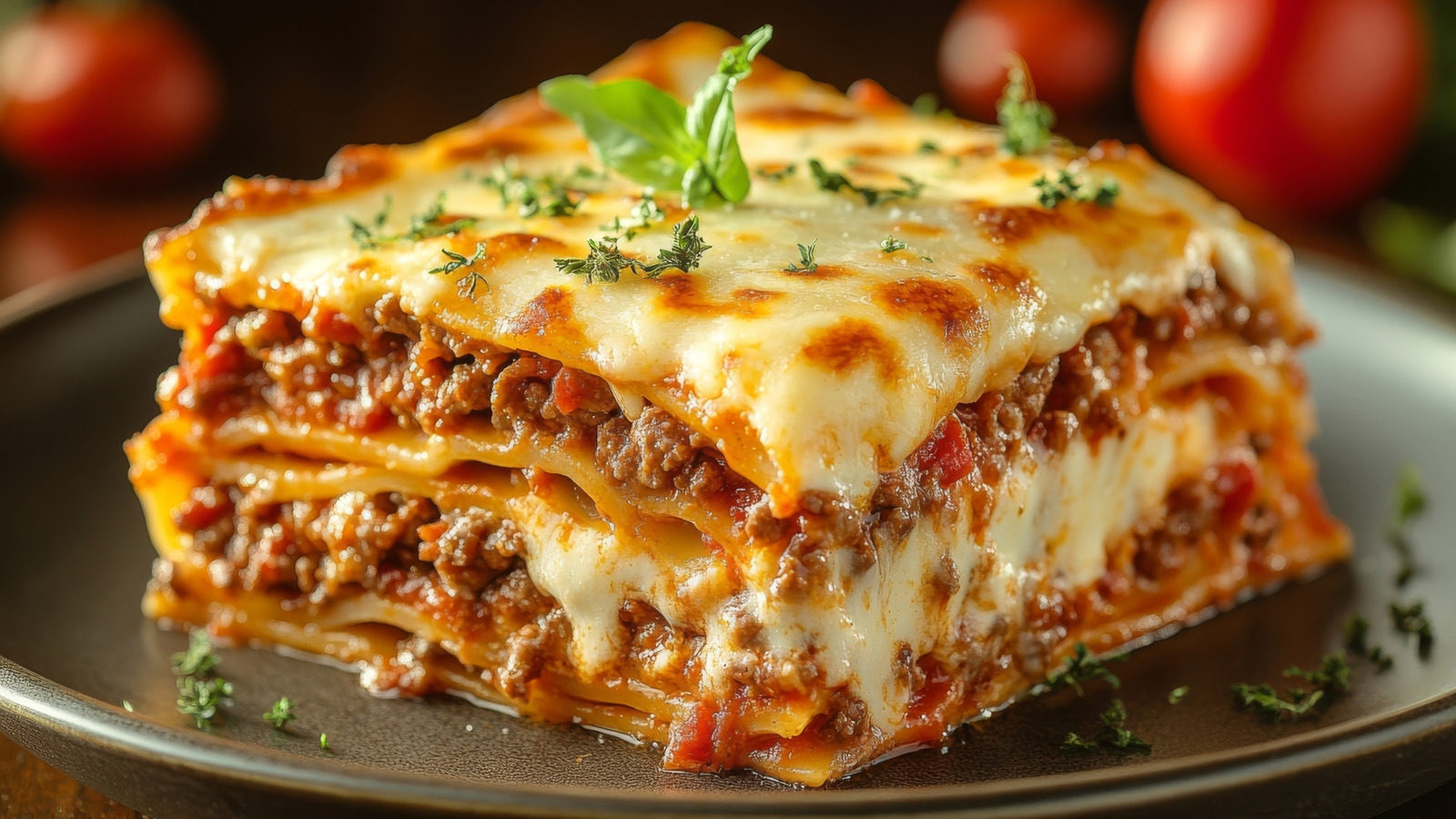 Here's How Many Layers You Should Have In Your Lasagna
Here’s a simple, actionable tip to master your own layers: measure as you go. Before you start, count how many noodles you have. If you’re using a standard box of 12 sheets, you can make a four-layer lasagna (using 12 sheets) or a three-layer version (using 9 sheets) and save the rest for soup. And don’t be afraid to experiment. I once made a lasagna with five thin layers of eggplant and only two of pasta, and it was divine. The key is to write down what you did so you can tweak it next time.
Ultimately, the best number of layers is the one that makes you happy and your guests full. Lasagna is a forgiving dish—it teaches us that structure matters, but so does generosity. So whether you’re stacking three or five, remember to taste as you go, and don’t stress over perfection. A slightly messy lasagna is still a triumph. Now go preheat that oven, and let the layering begin.
