How Many K Pop Groups Are There In The World

So, you’re sitting there, deep into a K-pop rabbit hole at 2 AM—maybe you’ve just discovered ATEEZ’s latest choreography or you’re trying to learn the names of all 23 members...
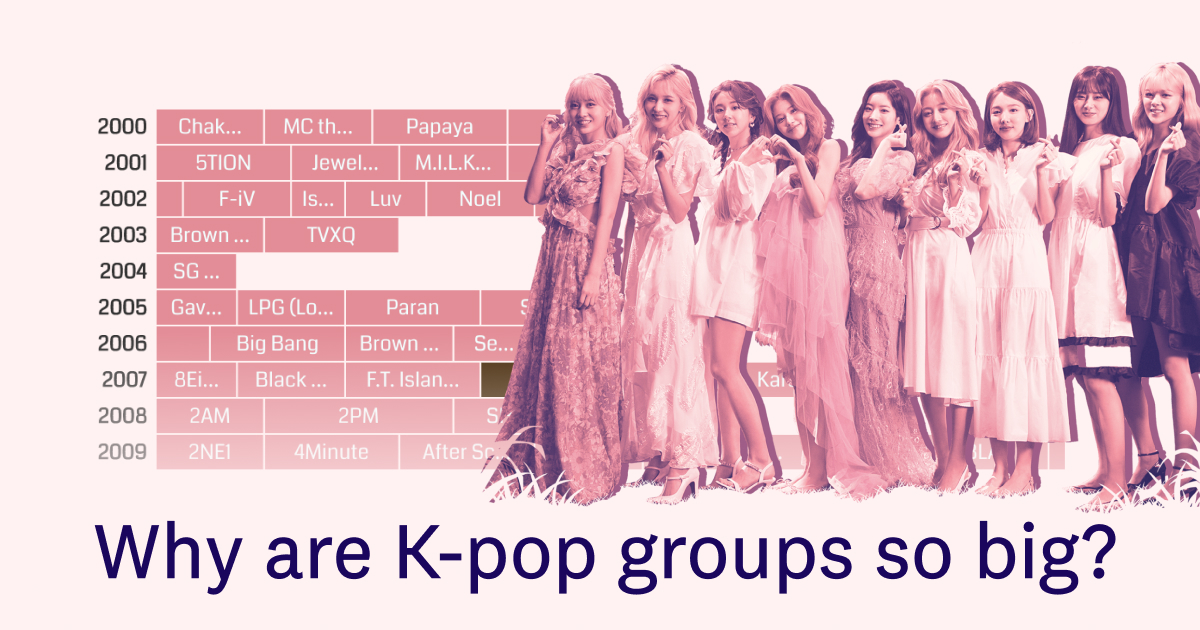
So, you’re sitting there, deep into a K-pop rabbit hole at 2 AM—maybe you’ve just discovered ATEEZ’s latest choreography or you’re trying to learn the names of all 23 members of NCT—and a thought pops into your head: How many K-pop groups are there in the world, exactly? I’ve been there. It’s the kind of question that sounds simple but immediately spirals into a glorious, glittering chaos. Let’s unpack it together, shall we?
First, let’s admit the obvious: tracking every K-pop group is like trying to count the number of sparkles on a SEVENTEEN stage outfit. It’s nearly impossible. The industry moves at light speed. Every month, agencies debut new groups—from massive companies like SM, YG, and JYP to tiny, basement-operation studios where the CEO also does the group’s laundry. By the time you finish reading this sentence, another “monster rookie” has probably dropped a debut teaser. So, what’s the ballpark figure? Industry estimates (and some very dedicated fan spreadsheets) suggest there are somewhere between 400 and 500 active K-pop groups globally. But hold your lightsticks—that number is more of a vibe than a census.
Here’s the thing: “active” is a squishy word in K-pop. Some groups release music once a year and spend the rest of the time in a mysterious “hiatus” (read: they’re either in the military, arguing with their label, or starting a mukbang YouTube channel). Then you have the nugu groups (the tiny, underrated gems) that technically exist but have the online footprint of a ghost. And don’t get me started on project groups—those temporary supergroups that pop up for a season, like SuperM or Produce 101 spin-offs. They’re like K-pop’s celebrity Avengers, here for a banger and then gone. Counting them is like trying to catch confetti.
Must Read
Now, let’s zoom out. The question isn’t just about Korea. K-pop has gone global in a way that would make your uncle’s “Gangnam Style” joke jealous. You’ve got groups like BLACKSWAN (featuring members from Brazil, India, and Belgium), VCHA (a JYP group with American members), and even Japanese groups like SUPER JUNIOR’s local offshoots. There are K-pop-inspired acts from China, Vietnam, the Philippines, and Indonesia—each borrowing the training system, the synchronized dances, and the unserious fan chants. So if we widen the lens to include “K-pop style” groups worldwide? We’re looking at well over 700. That’s right—there are more K-pop groups than there are flavors of instant ramen, and that’s saying something.
But here’s the juicy part: why does this number even matter? Because behind every group is a story of sheer, ridiculous hustle. Think of the trainee who practiced 14-hour days, the producer who wrote 50 songs before one hit, the fan who learned Korean just to stream “Fighting.” Each group, whether they sell out stadiums or perform in a basement café, represents a dream that refused to die. Even the forgotten groups—the ones you’ve never heard of—are proof that music is a love language that doesn’t care about statistics.
 K-POP Global Share | Top 30 Groups (2023. 8) - YouTube
So, next time someone asks you, “How many K-pop groups are there?” smile and say, “Enough to fill your heart, your playlist, and your entire weekend if you start a deep dive.” It’s not about the exact count; it’s about the joy of discovery. Remember, every group started as a tiny ripple. And if you listen closely, you’ll hear them all—from BTS to the band that only has 32 monthly Spotify listeners—singing the same chorus: “You belong here.”
So go ahead, click shuffle. Let the chaos of 500+ groups wash over you. You’re not late to the party—you’re exactly on time. And honestly? The K-pop universe is just getting started. Let’s go, fam. ✨

