How Many Different Values Can 4 Bits Represent

So, you’re sitting there, minding your own business, when a terrifying thought slithers into your brain: “How many different values can four bits represent?” Don’t panic. This...
So, you’re sitting there, minding your own business, when a terrifying thought slithers into your brain: “How many different values can four bits represent?” Don’t panic. This isn’t homework. It’s a journey into the secret life of your phone, your laptop, and that smart toaster that judges your bread choices. Let’s do the math with zero stress and maximum fun.
The Magic Number That Changed Everything
The answer is 16. Yes, four tiny little switches—each one either “on” or “off”—can create exactly sixteen unique combinations. That’s it. That’s the big reveal. But hold your applause, because sixteen is the number that lets you watch cat videos, play Tetris, and argue with strangers online.
Think of it like a four-person dinner party. Each person can either be sitting (1) or standing (0). The number of possible seating arrangements? You guessed it: 16. That’s enough configurations to make your aunt’s Thanksgiving seating chart look like amateur hour.
Must Read
Pro tip: If you ever need to impress a nerd at a party, casually drop, “You know, four bits give you exactly sixteen values.” They will either high-five you or ask you to leave. Either way, you win.
Why 16? Let’s Crack the Code (Slowly)
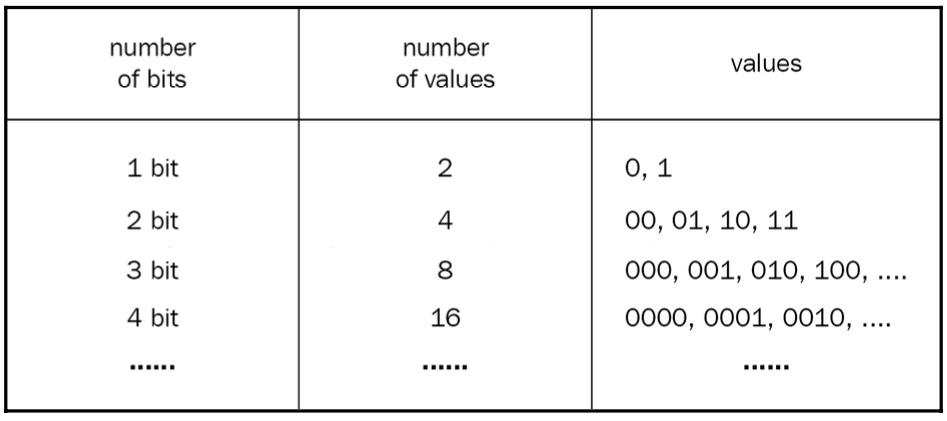
Each bit is a binary digit, which is just a fancy way of saying “a light switch with opinions.” With one bit, you have two values: 0 or 1. With two bits, you get four values (00, 01, 10, 11). With three bits, you get eight. Do you see the pattern? It’s doubling every time you add a bit.
So, one bit = 2. Two bits = 4. Three bits = 8. And four bits = 2 × 2 × 2 × 2 = 16. It’s like rabbits, but with fewer ears and more math. This exponential growth is why your computer can store an entire movie, while your brain can barely remember where you left your keys.
If you’re still confused, imagine you have four coins. Each can be heads or tails. Flip them all at once, and you get one of 16 possible outcomes. Unless you’re unlucky, in which case you get “tails, tails, tails, tails” and realize you have no money for coffee. But hey, at least you learned something.
 Expert C++ | Programming | eBook
The Numbers: A Very Special 0 to 15
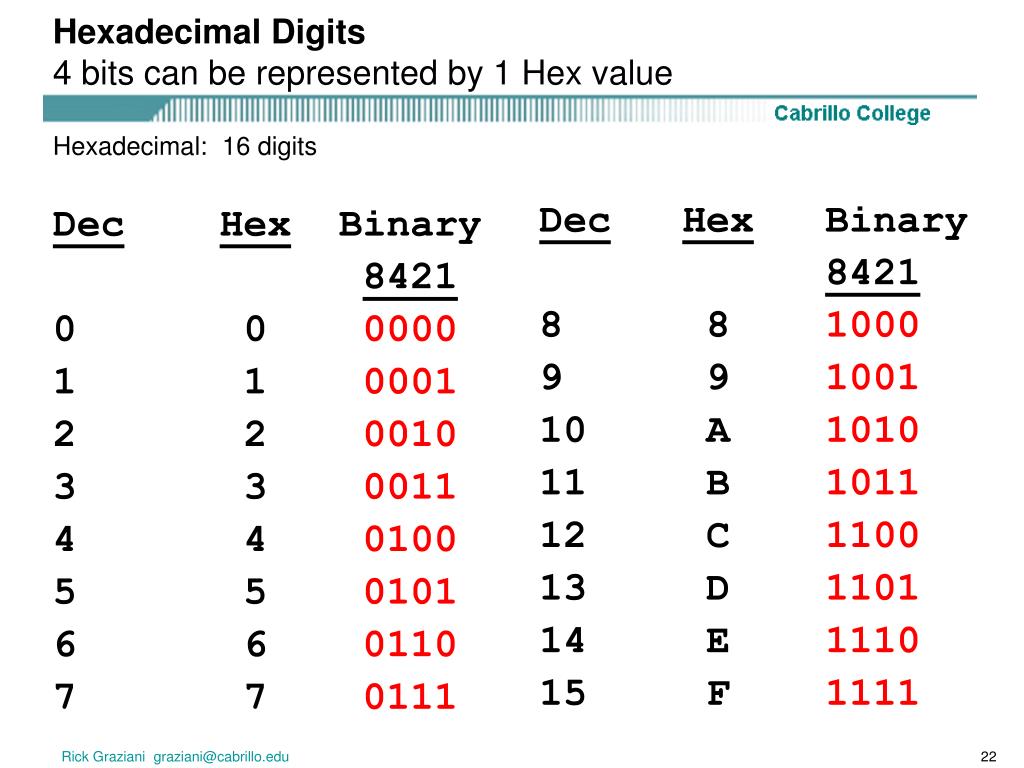
Here’s where it gets weirdly specific. When we count with four bits, we don’t start at 1. We start at 0. That means the 16 values are 0 through 15. That’s right: your first bite of the binary cake is zero, not one. It’s like a party where the first guest is invisible, but he still eats all the chips.
So the combinations look like this: 0000 (which is 0), 0001 (1), 0010 (2), 0011 (3), all the way up to 1111 (15). Memorize that sequence, and you’ll never be bored at a bus stop again. Or, you know, just use a calculator. I won’t judge.
Fun fact: In the ancient times of home computers (the 1980s), four bits were enough to display 16 colors on screen. That’s why early video games looked like a fever dream designed by a parrot on caffeine. Those 16 shades were the whole rainbow. And you thought your phone’s 16 million colors was a big deal.
Why Even Bother? The Real-World Chaos
Four bits are the unsung heroes of your everyday life. They control the volume on your headphones (16 levels of “can’t hear you” to “neighbors hate you”). They’re why old-school TV remotes had 16 channels. And they’re why your Wi-Fi password can be a 16-digit hex code that makes you cry.
 -Hex & Equivalent 4 bits Binary Digit | Download Table
In the world of computer memory, four bits are called a nibble. Yes, a nibble. Because engineers have a sense of humor, and “nibble” sounds cuter than “half a byte.” So next time you take a small bite of your sandwich, remember: you just consumed less information than your phone processes in a sneeze.
Surprising fact: The classic game Pac-Man used a CPU that worked with four-bit chunks. That means every ghost, every pellet, and every “waka waka” was built from 16 possible values. It’s amazing what humans made with so little. Today, we have 64-bit processors and still can’t find a parking spot.
How to Sound Smart Without Trying
Now that you know the magic of 16, you can use it to win arguments. When someone says, “There are only 10 types of people in the world,” you can reply, “Actually, with four bits, there are 16.” Then watch their brain melt. You’re welcome.
If you want to go full genius, mention that 4 bits can also represent hexadecimal digits (0–9 and A–F). That’s why you see codes like #FF0000 for red. Each hex digit is just a four-bit pack pretending to be a letter. It’s like binary wearing a Halloween costume.
So the next time you’re stuck in line at the grocery store, count on your fingers: 16. That’s the answer. Four bits. Sixteen values. Zero to fifteen. One nibble of pure, chaotic possibility. And now, you have officially out-nerded everyone in this café. Buy yourself a victory cookie.
