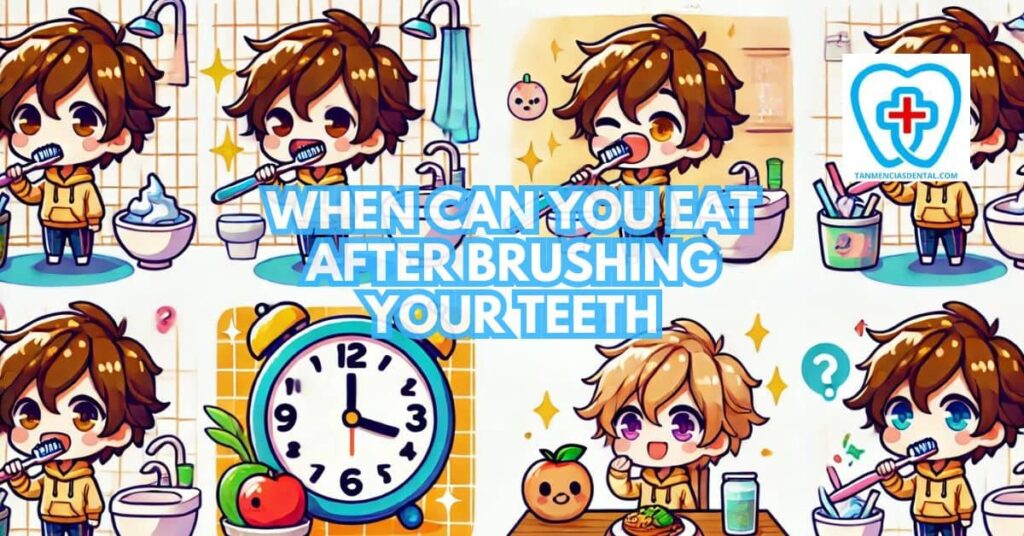
How Long To Wait After Brushing Teeth To Eat

There’s something uniquely satisfying about the fresh, minty feel of a just-brushed mouth. It’s a small, daily victory that signals you’re ready to face the world—or crawl int...
There’s something uniquely satisfying about the fresh, minty feel of a just-brushed mouth. It’s a small, daily victory that signals you’re ready to face the world—or crawl into bed. But then, reality sets in. You smell the coffee brewing or spot a bowl of juicy strawberries on the counter, and a classic dilemma arises: How long must you wait to eat? This topic is a favorite because it sits at the perfect intersection of health advice and everyday practicality. Nobody wants to ruin that clean feeling or undo the hard work of good oral hygiene. The main purpose here is simple: protect your teeth from damage while still enjoying your meals. For kids, it means fewer cavities. For coffee lovers, it means no bitter aftertaste. For everyone, it means a healthier, happier smile without unnecessary guesswork.
To understand the waiting game, you first need to know what happens in your mouth right after brushing. Your toothpaste contains fluoride, a mineral that works by bonding to your enamel and making it stronger. This process is most effective when the fluoride gets to sit on your teeth for a while. If you eat or drink immediately, you rinse away that protective layer before it can do its job. Worse, acidic foods like orange juice or fruit can temporarily soften your enamel, making it vulnerable. So, the golden rule is: wait at least 30 minutes after brushing before you eat or drink anything besides water. This gives the fluoride time to absorb and your enamel to harden again.
Of course, life doesn’t always follow a timer. Mornings are often a rush, and you might need to gulp down breakfast the second you finish brushing. If that’s your reality, consider a simple shift: brush your teeth after you eat instead of before. This is actually a smarter strategy because it removes food particles right away, and your coffee won’t taste like toothpaste. Another common variation is the “pre-rinse.” If you absolutely must eat after brushing, rinse your mouth with plain water for a few seconds to reduce the amount of fluoride you swallow. Just remember, this dilutes the protection, so it’s not ideal for long-term health—but it works in a pinch.
Must Read
What about drinking water? Here’s the good news: water is always safe. In fact, drinking water after brushing can help wash away leftover toothpaste foam and keep your mouth hydrated. The key is that water is neutral—it doesn’t have acids or sugars to attack your enamel. So, if you’re thirsty or need to take a medication, a sip of water is perfectly fine. But stick to water only. Avoid tea, milk, or juice for that 30-minute window. Even a seemingly innocent glass of milk contains lactose (a sugar) that can interact with your toothpaste and cause a chalky taste that nobody enjoys.
For those with sensitive teeth, this waiting rule is even more important. If you feel a sharp twinge when eating after brushing, your enamel is likely overstressed. Try using a toothpaste formulated for sensitivity, and always wait the full half-hour. Another tip: if you can’t wait, choose foods that are low in acid and sugar. A slice of cheese, a plain cracker, or a handful of almonds are kinder to your freshly brushed enamel than a citrus fruit or soda. These foods also stimulate saliva production, which naturally buffers acidity and helps your mouth return to a healthy pH balance.
 How Long To Wait After Brushing Teeth | Detroit Chinatown
Getting started with this habit is easier than you think. Set a timer on your phone for 30 minutes after you brush each morning and evening. You can also link it to an existing routine—for example, brush, then get dressed or pack your lunch before eating. If you brush right before bed, the wait is automatic since you’re not eating afterward anyway. Over time, your mouth will feel better, your dentist will nod approvingly during checkups, and you’ll avoid that dreaded orange-juice-after-toothpaste taste. It’s a small adjustment that pays off in big, healthy smiles.
In the end, this isn’t about rigid rules—it’s about working with your body’s natural processes. A 30-minute pause lets fluoride do its magic, protects your enamel from acid attacks, and keeps your breath fresh longer. Whether you’re a rushed parent, a busy professional, or a morning coffee enthusiast, this simple timing trick is a practical, effortless win. So next time you brush, give yourself that half-hour break. Your teeth—and your taste buds—will thank you.