How Long To Let A Cake Cool

You have done it. You have wrestled flour, sugar, and butter into submission. The cake is out of the oven, smelling like a hug from a grandma you never had. Right now, your br...

You have done it. You have wrestled flour, sugar, and butter into submission. The cake is out of the oven, smelling like a hug from a grandma you never had. Right now, your brain is screaming, “Frost it! Eat it! Get it in my face immediately!”
Hold that thought, Speedy Gonzales. You are about to perform the most difficult act of baking patience: the cool down. Get it wrong, and your masterpiece turns into a sad, soggy sponge cake that tastes more like regret than victory.
The Frozen Frontier (Why you absolutely cannot rush)
Imagine trying to build a sandcastle on a beach during a tsunami. That is you putting warm frosting on a hot cake. The butter in the frosting melts instantly, turning your beautiful swirls into a Jackson Pollock painting of greasy sadness.
Must Read
But the real crime is structural. A hot cake is still fragile; it’s essentially a steam-powered crumb fortress that hasn’t finished escaping its own moisture. If you try to slice it now, you will not get a slice. You will get a rubble pile that would make a demolition crew proud.
It takes about 30 to 45 minutes for a standard cake to cool completely in the pan on a wire rack. That is not a suggestion. That is the law of cake physics, passed by the great baking council in the sky.
The Great Pan Escape (When to evict your cake)
Your first instinct might be to flip the cake out immediately. Do not. The cake needs to sit in its metal womb for about 10 minutes after leaving the oven. This allows the structure to set enough to survive the gravitational horror of being turned upside down.
After those ten minutes, you can release it onto a wire rack. But here’s a pro tip that will save you generations of family trauma: let it cool completely on that rack. If you leave it in the pan, the bottom will steam itself into a squishy, gummy horror show.
You want the cake to feel room temperature to the touch. Not “warm,” not “slightly hostile.” Room temperature. If you are unsure, use a thermometer. Or, more scientifically, touch your cheek. If the cake feels like a feverish toddler, it is not ready.
The Dark Side of Impatience (A cautionary tale)
I once tried to frost a cake after just 20 minutes. I was hungry. I was arrogant. The frosting slid off the top like a disgraced politician fleeing a scandal. It pooled around the base, creating a moat of sugary shame.
Then I cut into it. The center was still warm, like the core of a dying star. The knife dragged through it, creating a gummy, doughy crater. My friends ate it politely, but I saw the judgment in their eyes. I was a cake criminal.
Do not be that criminal. Learn from my mistakes. The world has enough sadness—do not add lukewarm buttercream to the pile.
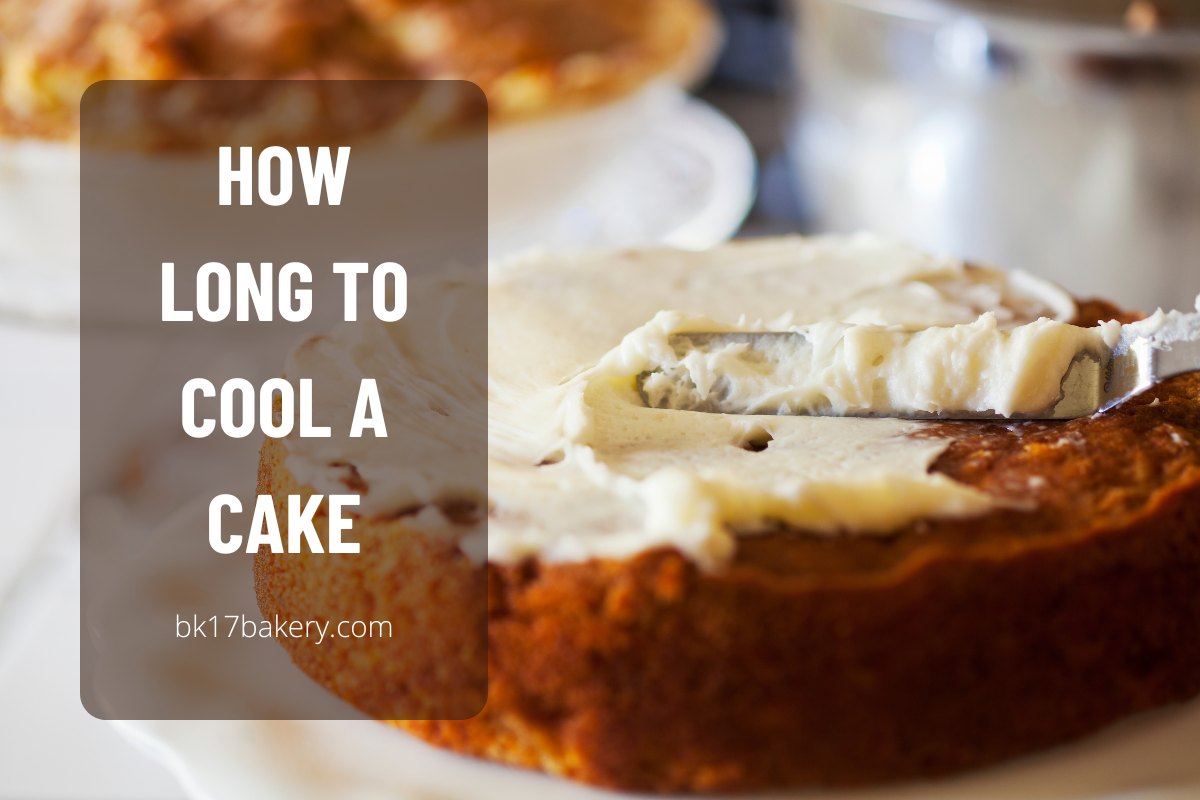 How Long To Let Cake Cool Before Frosting
But Wait, There’s More (Surprising facts to impress your cat)
Did you know that professional bakeries often age their cakes? Yes, age them. They let them sit, fully cooled and wrapped in plastic, for 24 hours. This allows the moisture to redistribute evenly, making the cake wetter and more delicious.
That’s right: a day-old cake can be better than a fresh one. It’s like wine, but cheaper and you can eat it with your hands. This is called “maturation,” and it’s why your grandma’s pound cake tasted like heaven—she just waited.
Another shocking truth: putting a hot cake in the fridge is a betrayal. The sudden cold shock can make the crust tough and the inside weepy. It’s like giving the cake a cold shower while it’s having a panic attack. Let it cool naturally, outside, like a normal person.
The Final Countdown (A cheat sheet for the impatient)
If you are truly desperate—like, you have guests arriving in 45 minutes desperate—here is a emergency protocol. Use a thin, sharp knife to gently pull the cake out of the pan after 10 minutes. Then, place the cake on a wire rack in front of a fan.
Do not use the fridge. Do not use the freezer. Use air. A fan can shave about 10 minutes off the cooling time. It’s the difference between a cake that’s ready in 40 minutes versus one that’s ready in 50 minutes.
But even with the fan, do not frost until the center reads 80°F (27°C) or lower. Yes, you can touch it. But the proper method is to use an instant-read thermometer to the center. Trust me, your future self will thank you.
The Sweet Science of Waiting
Here’s the hard truth: cooling a cake is not optional. It is as essential as mixing the batter or turning on the oven. Skipping it is like trying to run a marathon after eating a ten-pound burrito—bad things will happen.
Think of it this way: the cooling time is not wasted time. It’s the time the cake uses to become itself. It’s the final, quiet dance between heat and sugar. Respect the dance.
So, set a timer. Walk away. Read a book. Do some yoga. Stare at the ceiling and contemplate the void. Do whatever you need to do for 45 minutes. Then, and only then, may you introduce frosting to cake. You are now a wiser, more patient baker. Go forth and slice with confidence.
