How Long To Cool A Cake In The Fridge

There’s something deeply satisfying about pulling a perfectly cooled cake out of the fridge, its frosting set and ready to slice. This topic is a true kitchen joy because it s...
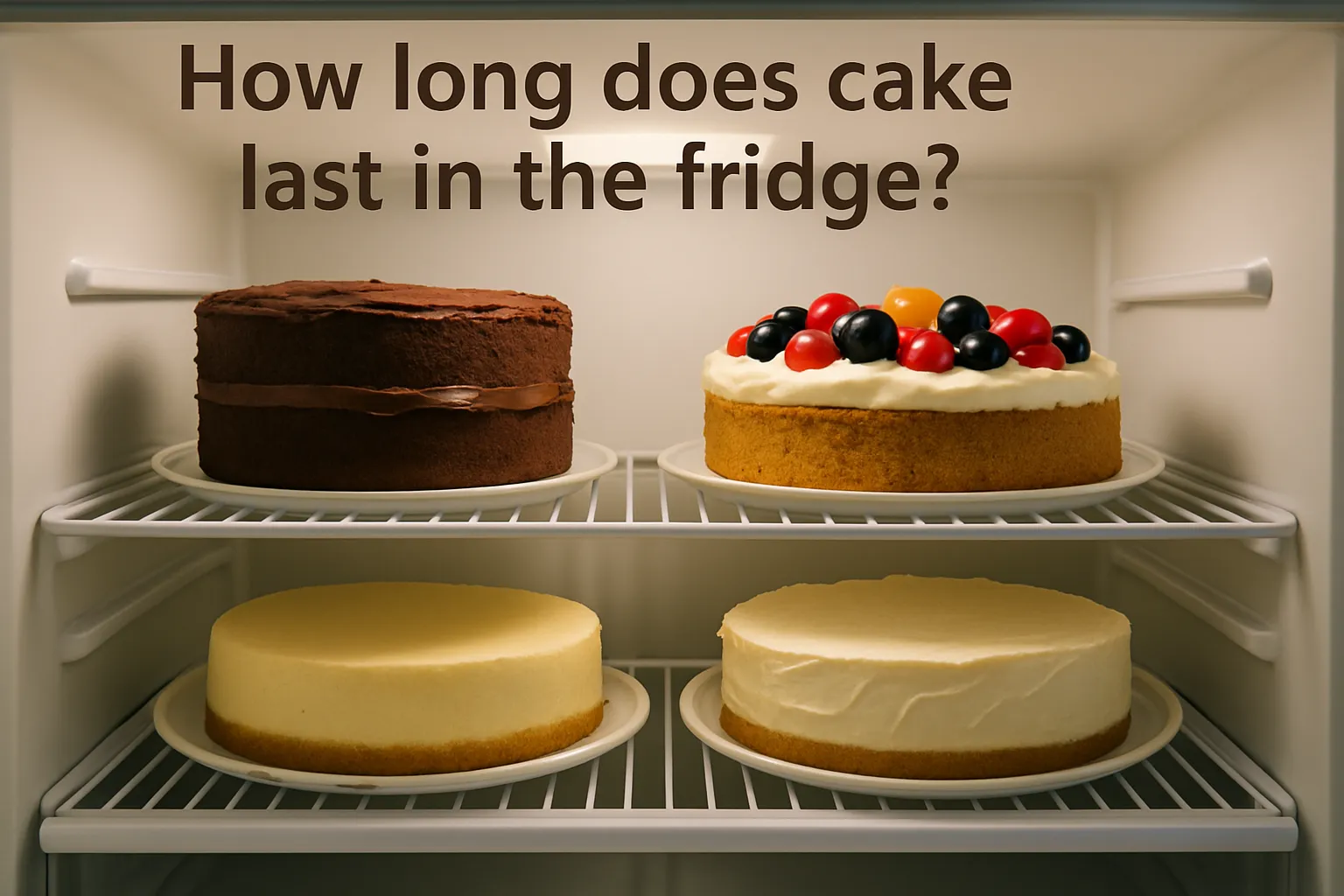
There’s something deeply satisfying about pulling a perfectly cooled cake out of the fridge, its frosting set and ready to slice. This topic is a true kitchen joy because it saves you from the heartbreak of a melted buttercream disaster or a crumbly, warm cake that falls apart. The main purpose of knowing the right chilling time is simple: patience pays off. Whether you’re a busy parent prepping for a birthday party, a weekend baker aiming for clean slices, or someone who just wants to avoid a sticky mess, mastering the fridge trick brings calm to your baking routine. You might recognize the common variations—like a quick chill for sturdy fondant cakes versus a longer rest for delicate cream fillings—but the core idea remains the same: cooling is not optional.
Let’s talk about the basic rule of thumb. For most layer cakes with buttercream or cream cheese frosting, the fridge is your best friend. A typical advice is to chill the fully frosted cake for 20 to 30 minutes. This short burst firms up the outer frosting just enough so that when you cut, you get those picture-perfect edges. However, if you’re dealing with a cake that has fresh fruit, custard, or whipped cream in the filling, you’ll want to extend that to about 1 to 2 hours. The extra time ensures the filling sets, preventing it from squishing out when you apply pressure. For a naked cake (with little to no frosting), a mere 15-minute chill can make slicing a breeze, especially for light, airy sponges.
What about those times when you need the cake fully cold for cutting or stacking? This is where the deeper science kicks in. A cake straight from the oven is still releasing steam, so you must let it cool completely—usually 1 to 2 hours at room temperature—before even thinking about the fridge. Once it’s at room temp, wrap it tightly in plastic wrap and chill for at least 4 to 6 hours. Overnight chilling is even better. This allows the fats in the cake to solidify, making the crumb less delicate and far easier to slice. Pro tip: Chilling overnight also deepens the flavor, as the ingredients meld together like a dream.
Must Read
Now, here’s a fun variation for the impatient baker: the flash freeze. If you’re in a rush and only have 10 minutes, place your cake (unwrapped) in the freezer for a quick 10 to 15 minutes. This works wonders for tightening up a too-soft buttercream or preventing a warm crumb from tearing. Just be cautious—longer than 15 minutes in the freezer might create a icy layer on the outside. For most home bakers, the fridge is the safer bet, but the freezer trick is a lifesaver when you’ve got guests knocking at the door.
Don’t forget about the carryover cooling time. A common mistake is pulling the cake out of the fridge and slicing it immediately. The cold temperature can make the cake feel dense and a bit gummy. Instead, let it sit at room temperature for 10 to 15 minutes after refrigerating. This softens the frosting back to a creamy texture while the interior stays firm. It’s a small step that makes a huge difference, especially with butter-based frostings that harden when cold. Your guests will appreciate the melt-in-your-mouth experience.
 How to Freeze a Cake - British Girl Bakes
To get started on the right foot, invest in a large, flat plate or cake board that fits in your fridge without wobbling. Clear a shelf before you start baking so you’re not scrambling. If your fridge is packed, consider chilling the cake in layers: freeze each layer individually for 20 minutes before stacking and frosting. This method prevents the dreaded “crumb coat” disaster. Also, use a digital kitchen timer—yes, set an alarm—so you don’t forget about it. A forgotten cake in the fridge can develop a dry crust, so timing is everything.
In the end, cooling a cake in the fridge is about building confidence. The more you practice, the more you’ll sense when a cake is ready to slice. Some bakers swear by a gentle finger test: if the frosting feels cool and slightly firm to the touch, you’re good to go. Others prefer the smile test: if you can cut a slice without a single crumb falling off, you’ve nailed it. So next time you bake, embrace the chill. It’s a small act of patience that turns a good cake into a great one—and that’s a truly happy kitchen moment.
