How Long To Boil Spaghetti Noodles

Let’s be real: spaghetti is the ultimate weeknight superhero. It’s the go-to meal for busy parents, broke college students, and anyone who needs dinner on the table in under 2...
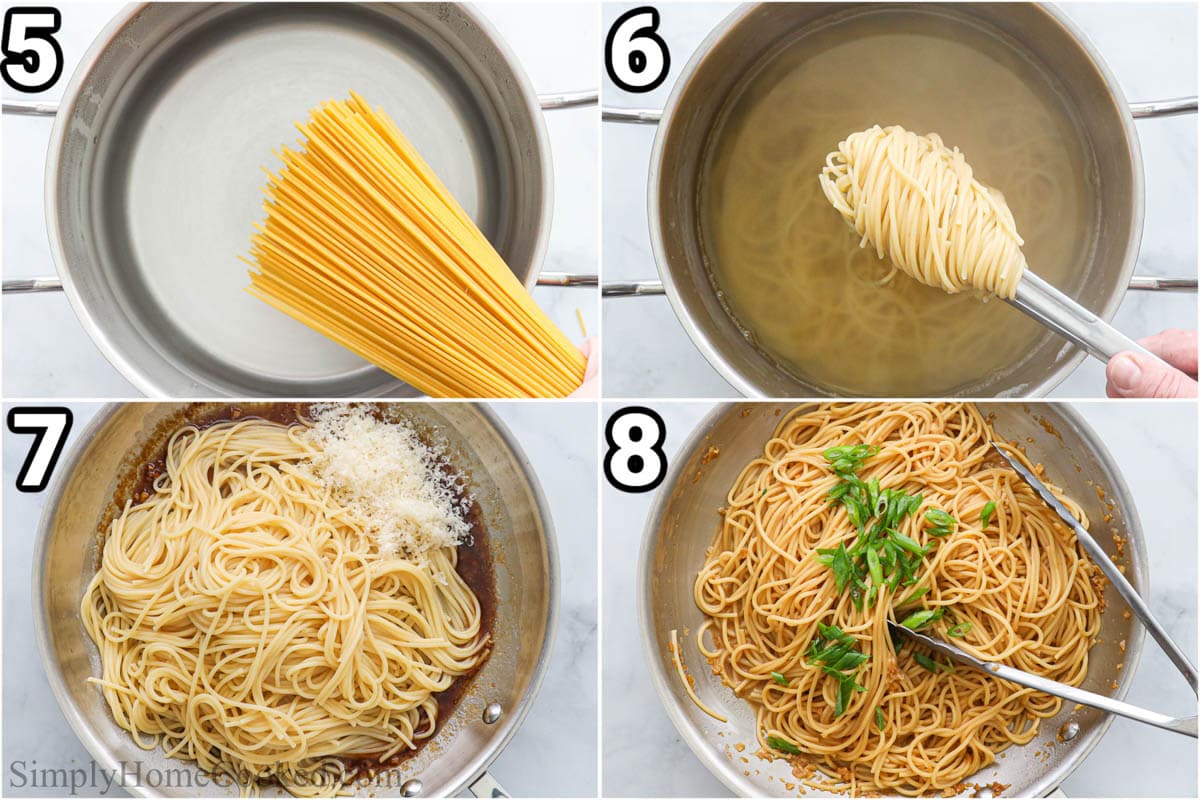
Let’s be real: spaghetti is the ultimate weeknight superhero. It’s the go-to meal for busy parents, broke college students, and anyone who needs dinner on the table in under 20 minutes. But here’s the kicker—if you boil it wrong, you end up with a soggy, sticky mess that nobody wants to eat. Getting the timing right isn’t just about following a box; it’s about saving your dinner and your sanity.
Why does this matter for families? Picture a chaotic Tuesday: kids are hangry, you’re juggling homework and a screaming baby. Perfectly boiled spaghetti means you can throw a sauce together and have everyone fed in 12 minutes flat. No gluey noodles, no wasted time. For communities, think of potlucks or church suppers—nobody remembers the overdone pasta salad. But al dente spaghetti? That’s the dish people ask for the recipe. It’s a silent, delicious bond.
Here’s a real-life example: My neighbor, a single dad of three, used to boil spaghetti for 20 minutes (read the box wrong). The result? A mushy mountain that his kids refused to eat. Then he tried the “coin test”—tasting a strand every minute after 8 minutes. Now, he nails it every time, and his kids actually ask for seconds. Or take my friend, a grad student who cooks for meal prep. He boils spaghetti to firm al dente (7 minutes in boiling water), then shocks it in cold water. It lasts all week in the fridge without turning into paste.
Must Read
So, what’s the magic number? For most dry, boxed spaghetti, it’s 8 to 10 minutes in a rolling boil. But here’s the trick: start testing at 7 minutes. Bite a piece—it should have a tiny white core. That’s al dente, meaning it’ll finish cooking in the sauce later. If you’re using fresh pasta, drop it to 2 to 4 minutes. And don’t forget: salt the water like the Mediterranean sea (about 1 tablespoon per gallon). It adds flavor that sauce can’t fix.
Practical tips to nail it every time: First, use a big pot. Pasta needs space to dance—crowding it makes it gluey. Second, reserve a cup of pasta water before draining. That starchy liquid is liquid gold for thinning out sauce while keeping it clingy. Third, never rinse spaghetti unless you’re making a cold salad. Rinsing washes away the starch that helps sauce stick. Fourth, set a timer and taste, taste, taste. Your tongue is more reliable than any clock.
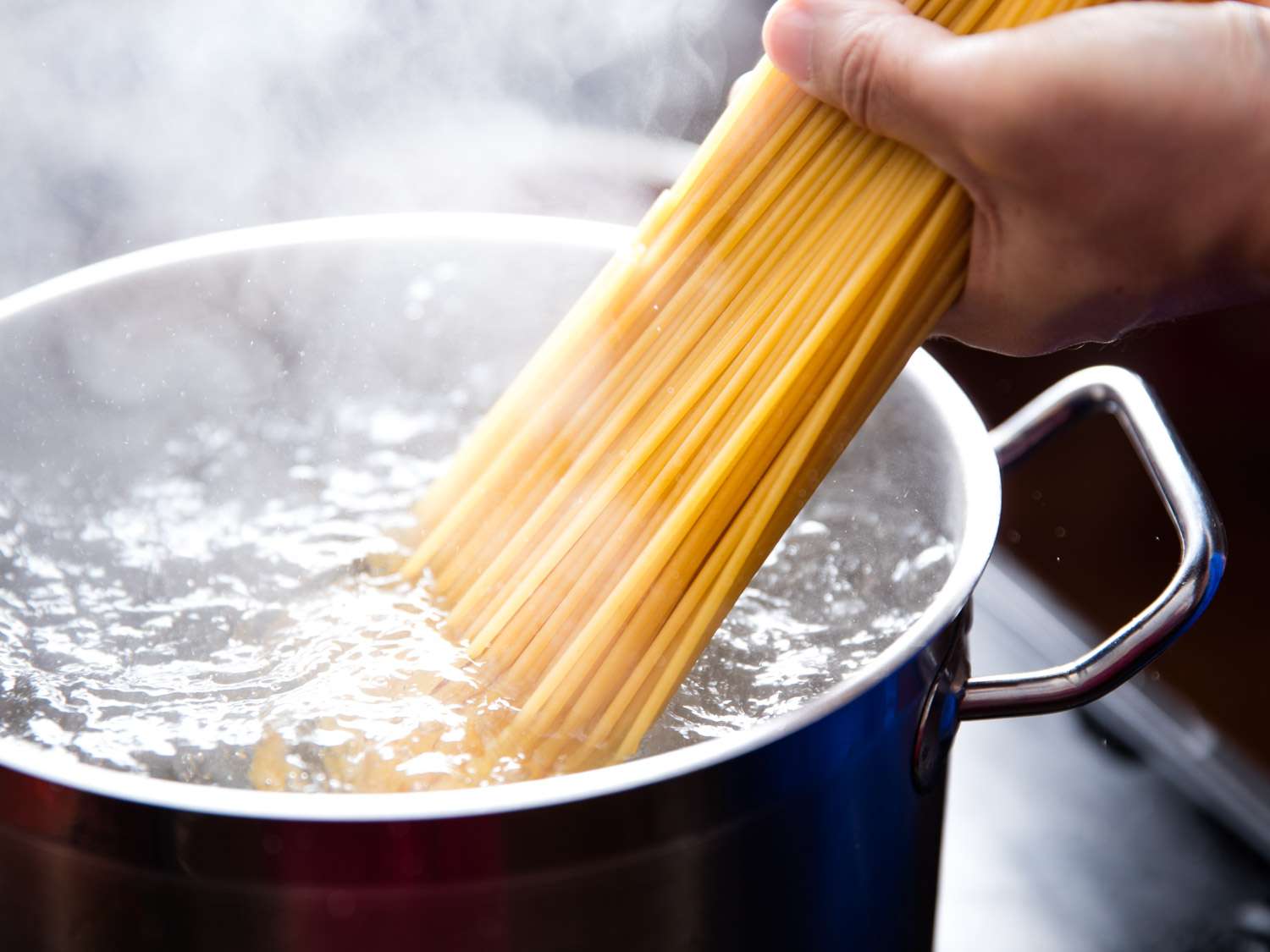 How To Boil Spaghetti Noodles - Recipes.net
To see how this plays out, imagine you’re hosting a simple dinner party. You boil spaghetti for exactly 9 minutes, drain it, then toss it with olive oil, garlic, and cherry tomatoes. The pasta is firm yet tender, catching the oil in every strand. Your guests might not say “nice texture,” but they’ll eat every bite. Or think of a kid’s birthday party: spaghetti with butter and Parmesan. Boil it to 8 minutes, and those little hands will grasp it without it turning into a slippery worm. That’s the power of precision.
The bottom line: boiling spaghetti isn’t rocket science, but it’s a simple skill that upgrades your life. It saves you from takeout on tired nights, impresses dinner guests, and even makes weeknights feel like a win. So next time you’re staring at a box, remember: 7 to 10 minutes, taste as you go, and don’t be afraid to undercook just a little. A perfect plate of spaghetti isn’t just dinner—it’s a small, happy ritual that connects us to the people we feed. And that’s always worth nailing.
