How Long Should You Leave Steak Out Before Cooking

Let’s be real: there is nothing quite like the sizzle of a perfect steak hitting a hot pan. But before we get to that glorious moment, there’s a question that’s been haunting...
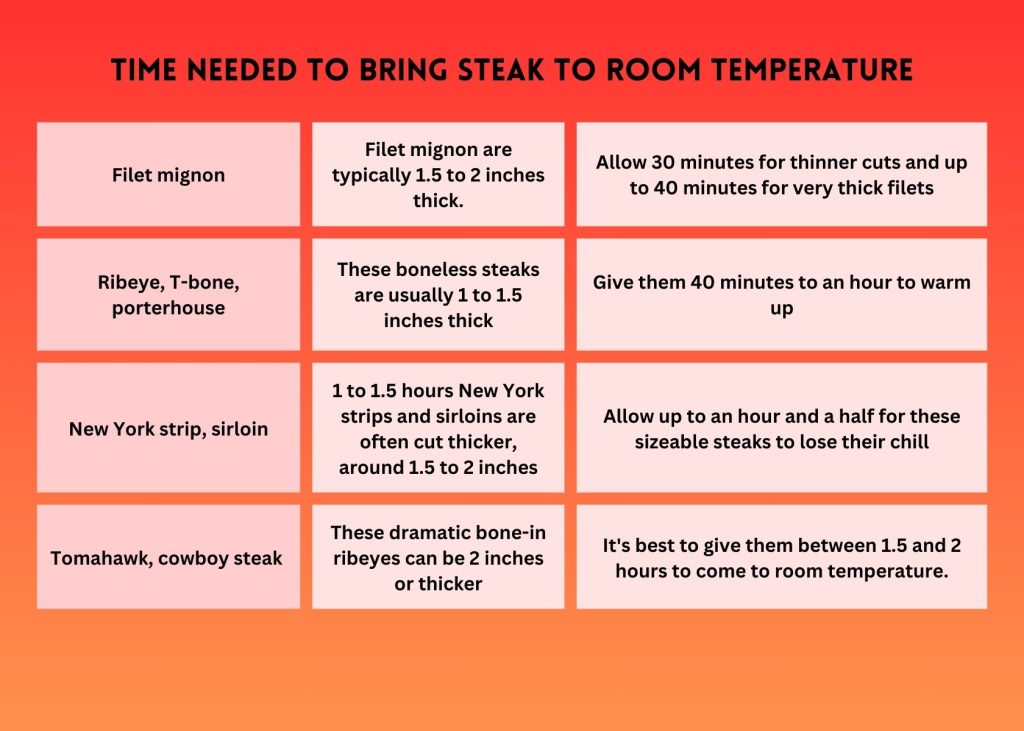
Let’s be real: there is nothing quite like the sizzle of a perfect steak hitting a hot pan. But before we get to that glorious moment, there’s a question that’s been haunting dinner parties and dividing grill masters for decades: how long should you leave steak out before cooking? The internet is full of conflicting advice, but I’m here to give you the straight, juicy truth—with a side of jokes and a dash of science.
First, let’s address the elephant in the room (or should I say the cow in the kitchen?). You’ve probably heard that letting a steak sit out for hours is a big no-no. And guess what? That’s mostly true. The USDA will tell you that raw meat shouldn’t be left at room temperature for more than two hours—one hour if it’s a hot day. But here’s the kicker: that rule is about safety, not quality. Your steak isn’t going to turn into a petri dish of doom in 45 minutes. So, relax. We’re not playing Russian roulette with salmonella.
The sweet spot? 20 to 30 minutes is your magic window. I know, I know—some "pro" chefs say an hour, but trust me, that’s overkill unless you’re cooking a behemoth, bone-in ribeye. For a standard 1-inch thick steak, half an hour is perfect. Why? Because you’re just trying to take the chill off. A fridge-cold steak will seize up when it hits the pan, cooking unevenly and leaving you with a sad, grey band of well-done around a cold center. Not the vibe we’re going for.
Must Read
Here’s a little trick: pat your steak dry with paper towels before you let it rest. That excess moisture is the enemy of a good sear. You want that crust to be a beautiful, mahogany-colored hug, not a steamed, pale mess. Letting it sit out helps the surface dry out, too—double win. Think of this time as a spa session for your steak: it’s relaxing, breathing, and getting ready to be its best self.
Now, let’s talk about the one exception to this rule: reverse searing. If you’re doing that low-and-slow method (which, by the way, is life-changing for thick cuts), you actually want the steak cold from the fridge. You’re going to bake it gently in the oven first, so a cold start helps prevent overcooking. But for a classic pan-sear or grill? Take it out. Give it 30 minutes. It’s not rocket science—it’s common sense with a pinch of patience.
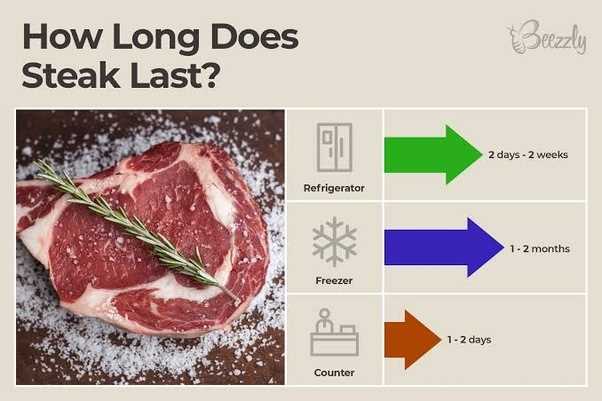 Can you eat cooked steak left out overnight - Metro Cooking Dallas
One more tip: don’t salt your steak during this resting period if you’re short on time. Salt pulls out moisture, and if you cook right after, you’ll have a wet surface. Salt it just before cooking, or do a dry brine hours in advance. But for our 30-minute window? Keep the salt shaker away. Let the steak be naked and unbothered. It’s a private moment.
In the end, the real answer to "how long should you leave steak out?" is: long enough for it to lose its fridge chill, but not so long that it loses its cool. Set a timer. Pour yourself a glass of wine. Flip through a magazine. Your steak is basically marinating in anticipation. And when you finally drop that beautiful slab into a screaming hot cast iron skillet, you’ll hear a sizzle that’s music to your ears. Because you waited. You were patient. And now, you’re about to have the best steak of your life—medium-rare, perfectly crusted, and made with love, not panic.
So go on, take a deep breath. Let that steak sit. The kitchen can wait. The reward? A meal that tastes like a hug from a very, very delicious cow. And that is something to smile about. You’ve got this. Now go forth and sear.
