How Long Is Fresh Turkey Good In The Fridge

Welcome, turkey enthusiasts and leftovers lovers! Let’s be honest: there’s something triumphant about bringing a beautiful, fresh turkey home. Whether you’re plotting a massi...

Welcome, turkey enthusiasts and leftovers lovers! Let’s be honest: there’s something triumphant about bringing a beautiful, fresh turkey home. Whether you’re plotting a massive Thanksgiving feast, a cozy Sunday roast, or just a week’s worth of protein-packed lunches, that bird represents potential. But here’s where the fun part – and the science – kicks in: how long does fresh turkey actually stay good in the fridge? It’s not a riddle with a scary answer; it’s a simple, life-saving piece of knowledge. Knowing this timeline keeps your food safe, your wallet happy, and your taste buds delighted. No more guessing, no more sad, soggy poultry that ends up in the trash. Mastering this simple fridge reality means you can plan ahead with confidence, cook with joy, and enjoy every last bite without worry.
The core truth is delightfully straightforward: a raw, fresh turkey is your cool, reliable friend for only 1 to 2 days in the refrigerator, assuming your fridge stays at a consistent 40°F (4°C) or below. That’s right – from the moment you bring it home and stash it in the fridge, the clock starts ticking. This isn’t a marathon; it’s a brisk sprint. Why so short? Even at safe fridge temps, bacteria like salmonella and campylobacter can grow slowly, and fresh turkey hasn’t been cured, smoked, or otherwise preserved. Think of it like a raw chicken breast: it’s a perishable superstar, not a pantry staple. The best strategy is to buy your turkey no more than two days before you plan to cook it. If your big dinner is on Thursday, pick up the bird on Tuesday. It’s a simple rule that guarantees peak freshness and maximum safety.
Now, let’s get creative with that 48-hour window! Imagine this: you buy a fresh turkey on a Saturday morning. By Saturday evening, you’ve got a golden opportunity. Instead of letting it sit idle, you can dive into a dry brine – a fun, messy, and wildly effective technique. Rub the bird inside and out with a mixture of salt, pepper, garlic powder, and maybe a pinch of smoked paprika. Put it back on a tray in the fridge, uncovered, for 24 hours. That’s one full day of brining magic: the salt draws out moisture, then gets reabsorbed, tenderizing the meat and crisping the skin. By Sunday night, your turkey is not just “good” – it’s transformed. Another creative idea? Use Day 1 to break down the turkey into parts – breasts, thighs, drumsticks – and marinate each one in a different flavor: lemon-herb for the breasts, soy-ginger for the thighs. Then cook them separately for a custom feast. The point is, that short fridge life isn’t a limitation; it’s a call to action.
Must Read
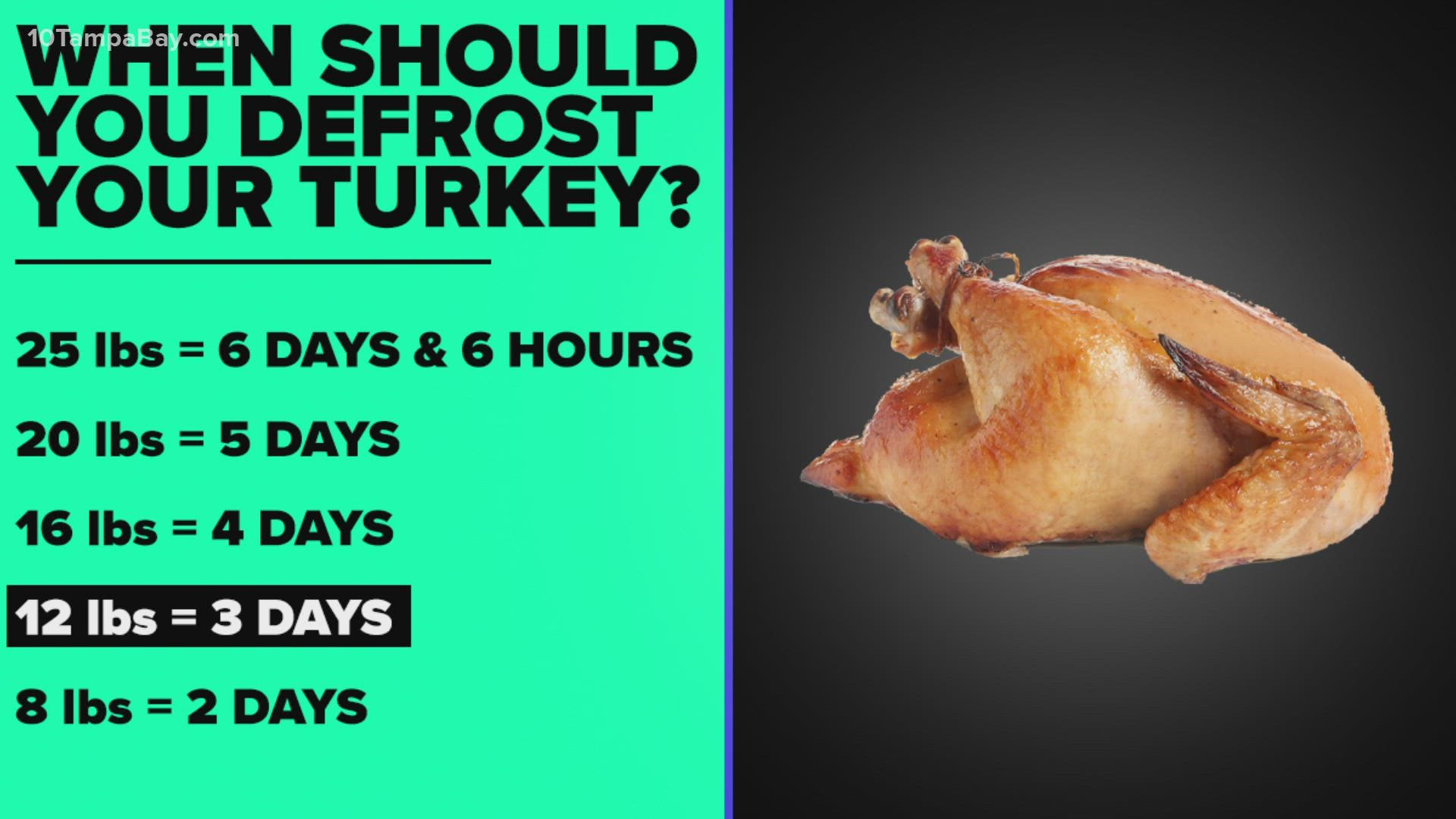
What if life gets in the way and you can’t cook it within two days? Do not panic. This is where the freezer becomes your superhero. A fresh turkey freezes beautifully. Just make sure it’s in its original wrapping or, even better, double-wrap it in heavy-duty foil or a freezer bag to prevent freezer burn. Frozen, a turkey is good for up to 12 months (though for best quality, use it within 6 months). The key is proper thawing. Never thaw on the counter! Instead, put it back in the fridge. A whole turkey takes about 24 hours for every 4-5 pounds of weight. So, a 12-pound bird needs roughly three days in the fridge to thaw completely. This keeps it at a safe temperature the entire time. Pro tip: If you buy a turkey two days out and realize you won’t use it, freeze it immediately. Then, when you’re ready, thaw it in the fridge, and you’ve essentially reset the fresh countdown.
But wait – what about after you’ve cooked that glorious bird? This is actually where the fun really begins. A cooked turkey has a much longer, more forgiving fridge life: 3 to 4 days. That’s a whole weekend of leftovers! The golden rule: get the meat off the carcass and into shallow containers within two hours of cooking. Don’t leave it on the counter after the big meal – that’s a bacterial buffet. Shredded white meat can be tossed into salads, sandwiches, or quesadillas. Dark meat is fantastic in soups, curries, or pot pies. And the carcass? Boil it for stock! That turkey stock can be frozen for months. So, while the raw bird demands speed, the cooked bird rewards you with patience. Use this time wisely: portion leftovers into single-serving bags for easy lunches, or make a massive turkey noodle soup on Day 2.
 Keeping Wild Turkey Fresh: A Guide to Refrigerator Storage Times
Here’s your practical toolkit for staying safe and smart: First, trust your nose and eyes. Fresh turkey should have a very mild, almost neutral smell. If it smells sour, sulfurous, or like old eggs – toss it. If the flesh feels unusually slimy or sticky, even after rinsing (though you shouldn’t wash raw poultry – it spreads bacteria!), that’s a red flag. Second, check your fridge temperature. Invest in a simple fridge thermometer. Many built-in thermostats are off by 5-10 degrees. If your fridge is at 38°F, you have a slightly wider safety margin. If it’s at 42°F, you’ve cut that 1-2 day window in half. Third, use the “first in, first out” rule. When you buy a fresh turkey, put it in the coldest part of the fridge (usually the back of the bottom shelf) immediately. Don’t leave it in the store bag on the counter while you unpack groceries.
Let’s wrap this up with a final, playful reminder: Your fridge is a time machine, but it has limits. That fresh turkey is a wonderful, perishable gift from the grocery store. It asks only for your attention and a bit of planning. Stick to the 1-2 day rule for raw birds, embrace the 3-4 day window for cooked leftovers, and always, always use your senses. A little paranoia is healthy; it’s the difference between a legendary turkey sandwich and a regrettable stomach ache. So go forth, buy your turkey on Tuesday, brine it on Wednesday, roast it on Thursday, and feast on Friday’s leftover sandwiches. You now hold the secret to poultry perfection. Happy cooking, and may your fridge always be a cold, safe, and delicious place!

