How Long Does One Imodium Last

There is a quiet, profound relief in knowing that a sudden, disruptive bout of diarrhea can be brought under control. For millions of people, Imodium (loperamide) is that reli...
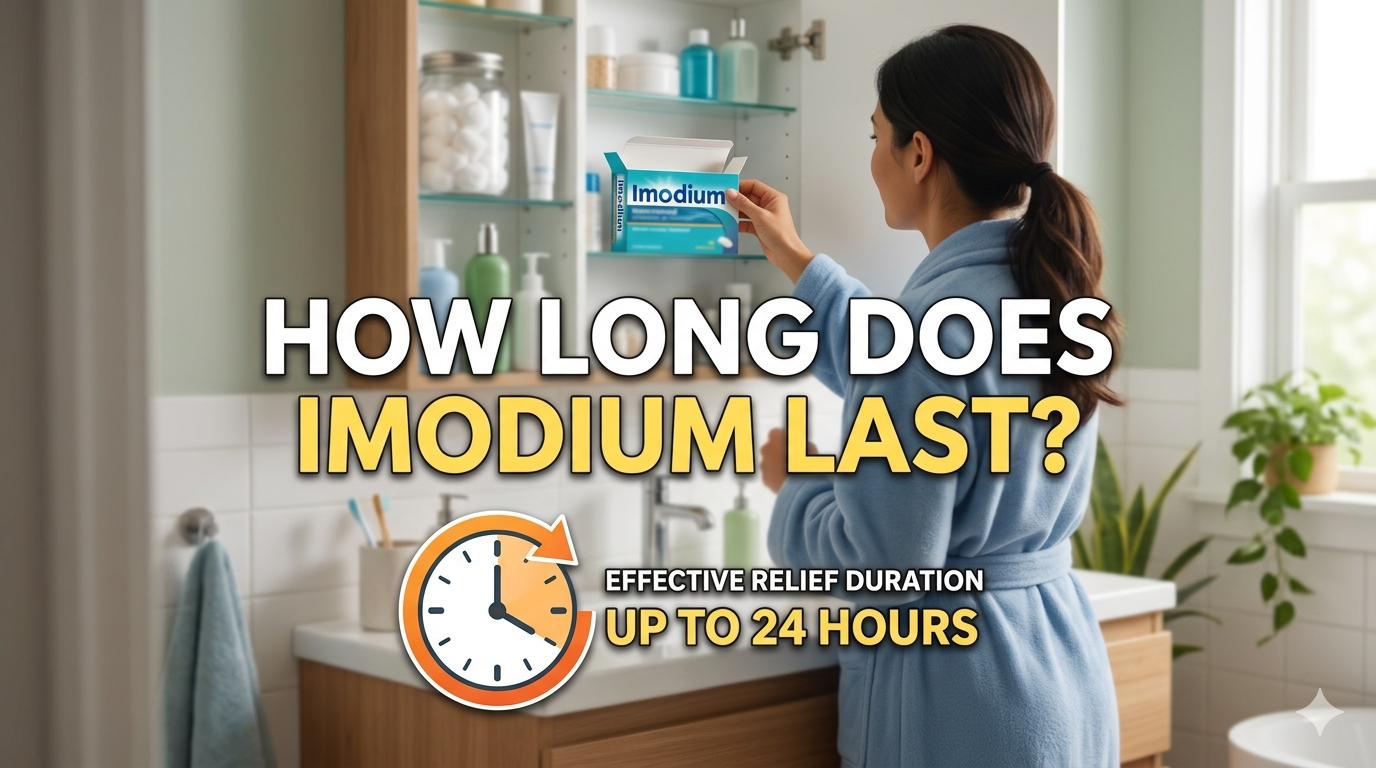
There is a quiet, profound relief in knowing that a sudden, disruptive bout of diarrhea can be brought under control. For millions of people, Imodium (loperamide) is that reliable emergency brake, a small tablet that restores a sense of normalcy when your digestive system has other plans. Its key purpose is not to treat the underlying cause of the diarrhea, but to symptomatically slow down the movement of the gut, allowing the body to reabsorb water and form a firmer stool. This benefit is invaluable in everyday life: it turns a potentially ruined business meeting, a canceled road trip, or a stressful flight into a manageable inconvenience rather than a catastrophe.
The core question for any user, however, is about duration. Specifically, how long does one dose of Imodium actually last? After a single standard 2mg dose, you can generally expect the medication to work for approximately 6 to 8 hours. This timeframe is the drug’s “half-life,” meaning the period during which its concentration in your system is high enough to actively slow bowel movements. For many, this window provides enough coverage to get through a workday, a long car ride, or a full night of undisturbed sleep. It is crucial to understand that the effect is not immediate; it typically takes one to three hours to kick in, so planning ahead is essential.
The effective duration can vary significantly based on the individual and the severity of the condition. If you are experiencing a mild case of traveler’s diarrhea, a single dose might provide relief for the full 8-hour window and perhaps even resolve the issue entirely. However, in a more aggressive episode, the drug’s effect might taper off sooner, and you may find symptoms returning after 4 or 5 hours. This is why it is vital to follow the label instructions: after the initial dose, you can take an additional 2mg after each loose stool, but never exceed the maximum daily limit (8mg for over-the-counter use in adults, or 16mg under a doctor’s supervision).
Must Read
It is a common misconception that Imodium should be taken until everything “firms up” completely. In reality, the goal is management, not complete cessation. The body uses diarrhea to expel pathogens, so stopping it entirely can prolong an infection in cases of bacterial or viral gastroenteritis. A safer, more effective strategy is to take a single dose to get through an important event, then allow your system to process the infection naturally afterward. For example, if you have a three-hour exam, take one pill 60 minutes before. The medicine will provide the functional relief you need, then wear off without trapping harmful organisms inside your gut for too long.
Another critical factor influencing duration is what you eat while the medication is active. Consuming heavy, greasy, or high-fiber foods can overwhelm the slowed-down gut, potentially causing cramping or a sudden reaction. To maximize the longevity and effectiveness of that single dose, stick to the BRAT diet (Bananas, Rice, Applesauce, Toast) for the first four to six hours. Also, avoid alcohol and caffeine, as both can irritate the bowel and counteract the drug’s soothing effects.
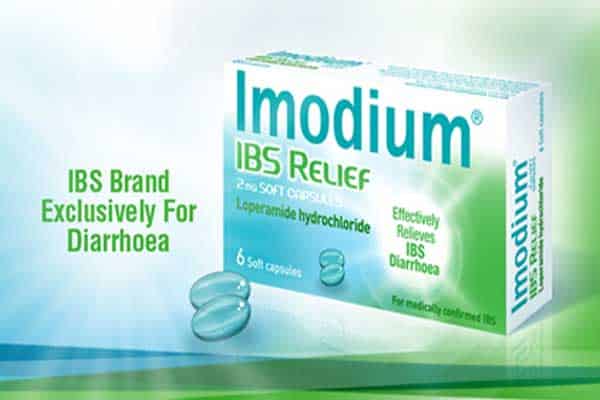 How Long Does Imodium Last?
For those who want to explore how their body responds to Imodium, start with a simple at-home test. On a day when you have no major obligations, take a single 2mg capsule on an empty stomach and note your last bowel movement time. Over the next 8 hours, keep a log of when you feel urgency or have any subsequent movements. This personal data will tell you whether the drug lasts a full 8 hours or only 5 for your unique metabolism. Do not take additional doses during this test period—the goal is to understand the baseline duration, not to suppress all activity.
Ultimately, the longevity of one Imodium tablet is a trade-off between symptom relief and digestive safety. It is a temporary fix, not a cure. By respecting its 6-to-8-hour window, using it strategically for high-stakes situations, and combining it with gentle dietary support, you can transform a day of distress into one of quiet control. Always remember: if diarrhea persists beyond 48 hours, or is accompanied by blood or high fever, consult a doctor—the medicine’s duration shouldn’t be your primary concern then.
