How Long Does It Take To Charge A 18650 Battery

Ever found yourself in a situation where your trusty flashlight or vape mod suddenly goes dark, leaving you in the lurch? Or maybe you're an eco-warrior who's swapped out your...
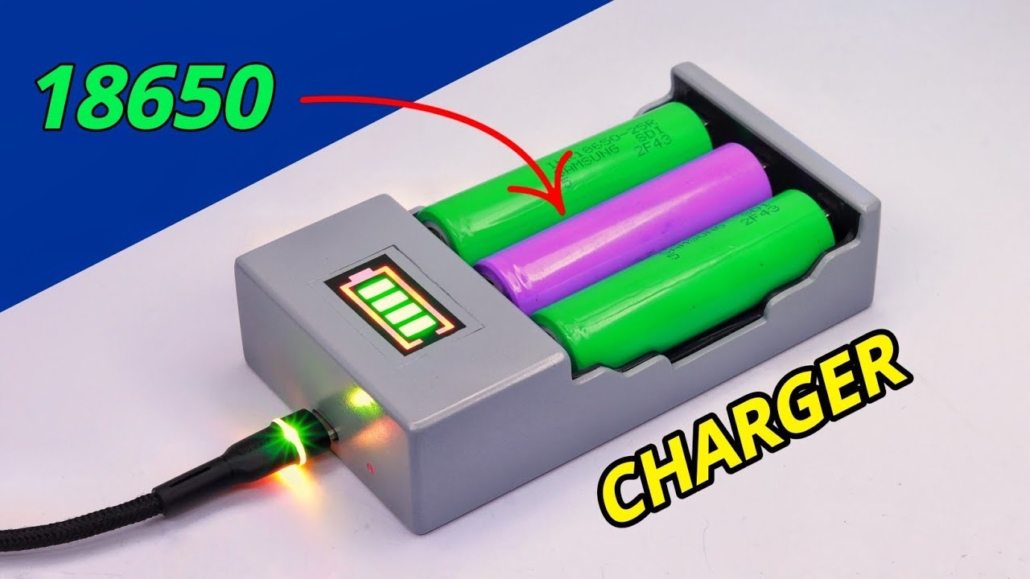
Ever found yourself in a situation where your trusty flashlight or vape mod suddenly goes dark, leaving you in the lurch? Or maybe you're an eco-warrior who's swapped out your old disposables for a shiny new rechargeable battery? Either way, you're probably wondering, "How long does it take to charge an 18650 battery?" Let's dive in and find out, shall we?
First Things First: What's an 18650 Battery?
Imagine the humble AA or AAA battery, but bigger, badder, and with a fancy number for a name. That's an 18650 battery for you. It's a lithium-ion rechargeable battery, often used in high-drain devices like laptops, electric cars (yes, really!), and even e-cigarettes. They're powerful little things, packing a punch that smaller batteries can only dream of.
So, How Long Does It Take to Charge One?
Alright, let's get down to business. The charging time of an 18650 battery depends on a few things: the battery's capacity (measured in mAh), the charger's output (in amps), and the battery's condition. Think of it like filling up your car's tank - a bigger tank takes longer to fill, and a faster pump fills it quicker.
Must Read
Let's say you've got a 2500mAh battery and a charger that pumps out 1A. In this case, it'll take around 2.5 hours to charge your battery from empty to full. Not too shabby, right? But remember, that's just an estimate. If your battery's already got some juice left, or if your charger's a bit slower, it might take a little longer.
Now, if you're impatient (like me!), you might be tempted to use a faster charger. Some chargers can pump out up to 2A or more. With our 2500mAh battery, that'd cut the charging time down to around an hour. But be careful - too much speed can damage your battery. It's like trying to fill your car's tank with a firehose - it might be quicker, but it's not good for the car (or the hose, for that matter).
Why Should You Care?
You might be thinking, "Okay, so it takes a couple of hours to charge an 18650 battery. Big deal." But here's why you should care:
- Longevity: Knowing how to charge your battery properly can extend its life. Overcharging or using the wrong charger can damage your battery, making it less effective and shortening its lifespan.
- Safety: Lithium-ion batteries can get hot and even catch fire if they're not handled correctly. Charging them properly can help prevent these safety hazards.
- Efficiency: Understanding how to charge your battery can help you use your devices more efficiently. You can plan your charging times better, ensuring you're never caught short.
Think of it like taking care of your car. You wouldn't fill it with the wrong fuel, would you? Or drive it into the ground without checking the oil? Your 18650 battery deserves the same TLC. After all, it's the powerhouse that keeps your devices running.
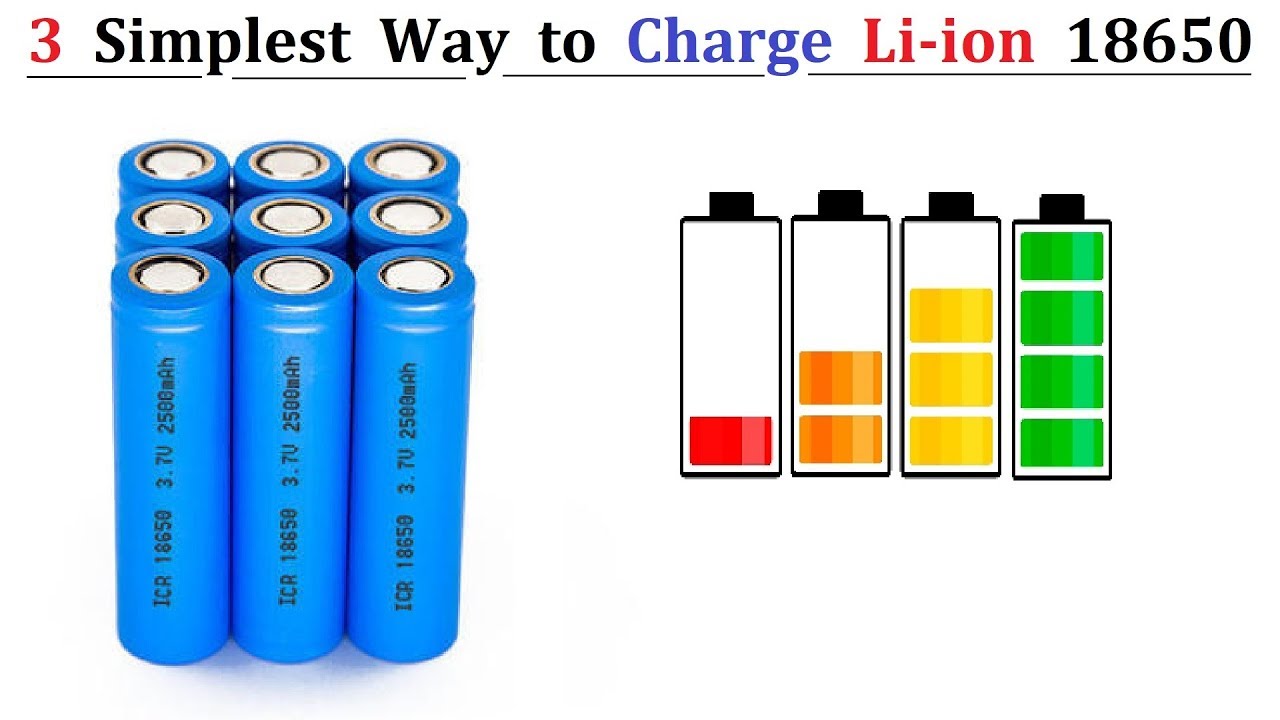 How to Charge 18650 Battery Safely in 2024 - Nuranu | Libattery battery
But What About Fast Charging?
You might have heard about fast charging - it's all the rage these days, especially with smartphones. But here's the thing: while fast charging can be handy, it's not always the best option for 18650 batteries. Fast charging works by pumping a lot of power into the battery quickly, then slowing down as it gets fuller. This can be tough on the battery, causing it to heat up and potentially reducing its lifespan.
So, while fast charging can be convenient, it's usually best to stick to slower, more gentle charging for your 18650 batteries. Think of it like cooking a steak - slow and low might take longer, but it's gentler and results in a tastier (or, in this case, longer-lasting) meal.
Final Thoughts
So there you have it - charging an 18650 battery isn't rocket science, but it does take a bit of know-how. With the right charger and a bit of patience, you can keep your battery in tip-top shape and ready to power your devices when you need them most.
And remember, next time you're charging your battery, think of it like a plant. It needs time to soak up the sun (or, in this case, the charge) and grow strong. So, be patient, and your battery will reward you with plenty of power and a long, healthy life.
