How Long Does It Take To Boil Butternut Squash

Welcome to the wonderfully wobbly world of boiling butternut squash! If you have ever stared at one of these gourd-geous beauties, with their hard, armor-like skin and a shape...

Welcome to the wonderfully wobbly world of boiling butternut squash! If you have ever stared at one of these gourd-geous beauties, with their hard, armor-like skin and a shape that defies logic, you have likely wondered: “How on earth do I cook this quickly, without a PhD in knife skills?” The answer, my friend, is boiling. This humble, splashy method is your kitchen’s best shortcut. It turns a rock-like vegetable into a velvety, golden-orange treasure in about 20 to 30 minutes. Why is this so fun? Because boiling is forgiving, fast, and requires zero fancy gadgets. You do not need a steamer basket, a spiralizer, or a mandoline (those things that love to nibble on your fingertips). Just a pot, water, and a little patience. The advantage? Once boiled, the squash becomes a blank canvas: ready to be mashed like a dream, whirled into silky soups, or mashed into baby food or pancakes. Let us get this party started.
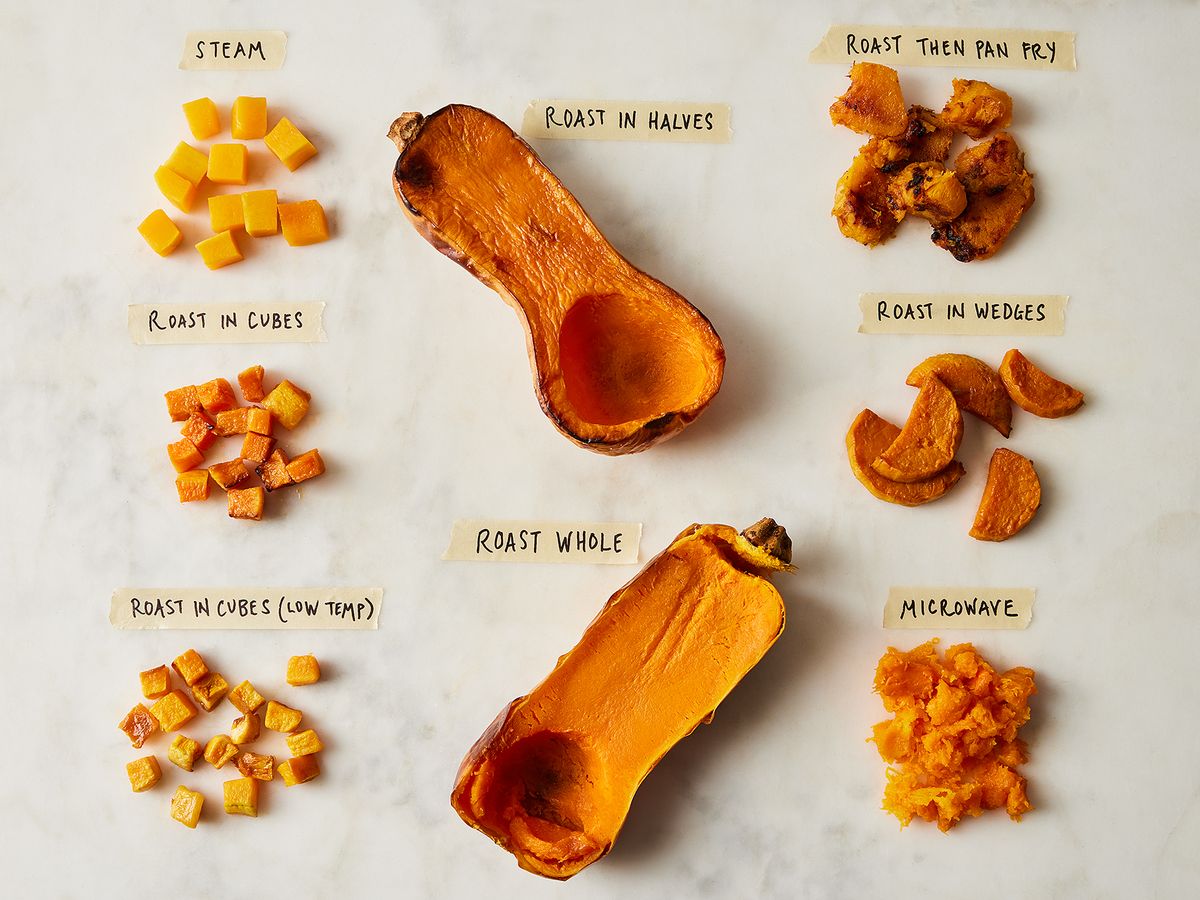
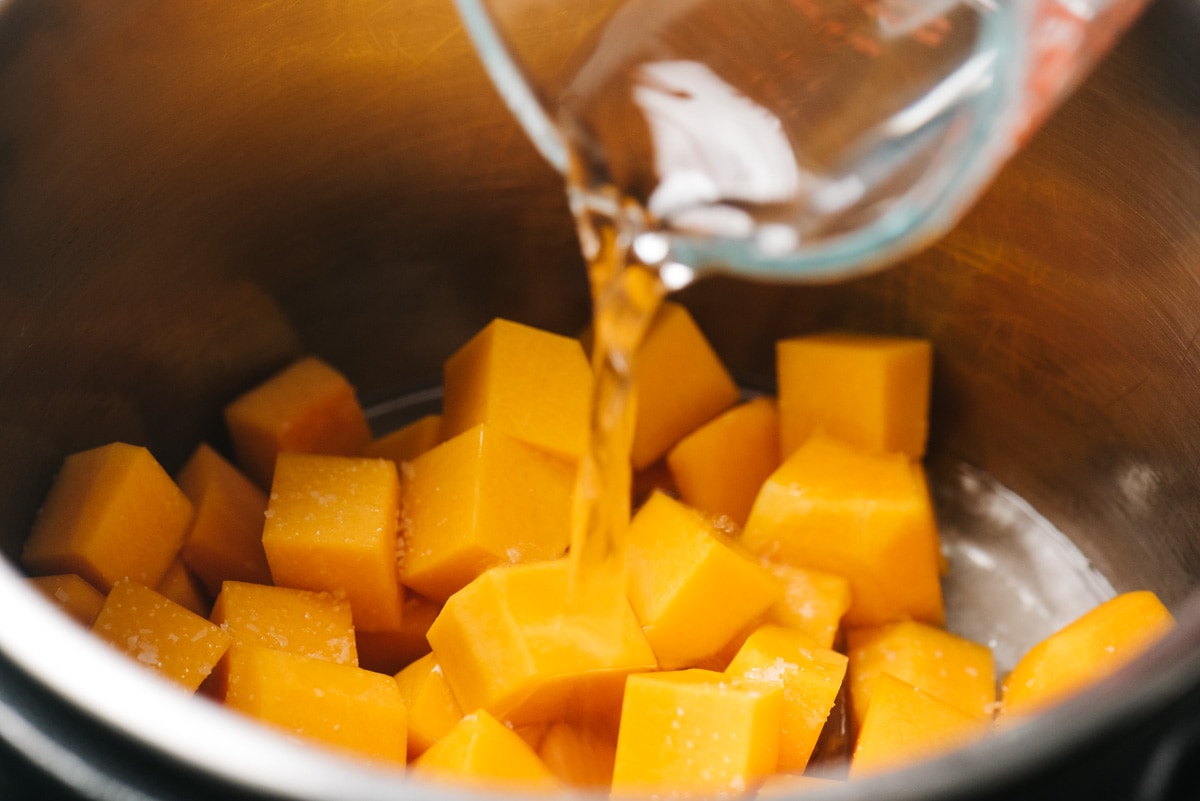
Here is the magic: Time depends entirely on how you cut the squash. If you leave the squash whole (please do not do this—it takes forever and is a steam-explosion hazard), you are looking at 45 minutes to an hour. But the smart, fun way is to cut it into chunks. Imagine you are preparing a treasure hunt: first, slice the squash in half lengthwise. Scoop out the stringy guts and seeds (roast those seeds later—they are a bonus snack!). Then, peel the skin with a sharp vegetable peeler or a knife. Now, cut the flesh into 1-inch cubes. These little cubes are the sweet spot for speed. In a large pot, cover them with cold water, add a generous pinch of salt, and bring it to a rolling boil. Set a timer for 15 minutes. Check with a fork—if it slides in like soft butter, you are done. If not, give it 5 more minutes. For larger, halved pieces (like half-moons), plan on 20–25 minutes. The takeaway? Smaller pieces = faster dinner. Bigger pieces = slower, but still easy.
Now, let us get creative! Boiled butternut squash is not just a side dish; it is the secret ingredient for weeknight wins. Here is a wild example: after boiling, drain the cubes and toss them into a hot skillet with butter, brown sugar, and a pinch of cinnamon. Sauté for 2 minutes—you get caramelized, glazed magic without ever turning on the oven. Or, try this: boil the squash until super tender, then mash it with coconut milk, ginger, and a dash of curry powder. Pour that into a bowl, top with toasted pepitas, and you have a soup that tastes like you slaved for hours—but you only boiled for 20 minutes. Another fun idea: use the boiled squash as a sauce base for pasta. Blend it with garlic, sage, and a splash of pasta water. Toss with rigatoni—and behold, a creamy, orange-hued dinner that is dairy-free and shockingly savory. Boiling is not boring; it is the launchpad for flavor adventures.
Must Read
Let us talk about the golden rule of boiling: do not overdo it. Mushy squash is sad squash. You want it fork-tender, but not falling apart like a regretful soufflé. The secret? Start checking at the 15-minute mark. Another pro tip: salt the water generously. This is not just for taste; salt helps the squash hold its shape and seasons it from the inside out. Use about 1 tablespoon of salt per 4 cups of water. And here is a wild card: add a cinnamon stick or two star anise to the boiling water. The squash will absorb a whisper of spice without any extra work. When done, drain it immediately—do not let it sit in hot water or it will turn to mush. If you are not using it right away, rinse it with cold water to stop the cooking. Boiled squash can be stored in the fridge for up to 5 days, ready for quick meals.
What about equipment? Keep it simple. A heavy-bottomed pot (like a Dutch oven or a regular stockpot) is ideal because it distributes heat evenly. Avoid using a thin aluminum pot; the squash might stick or cook unevenly. A lid is your friend—it traps steam and speeds things up, but leave it slightly ajar to prevent a boil-over (which is a messy, sticky disaster). For peeling, a Y-shaped peeler is a game-changer; it hugs the curves of the squash better than a straight peeler. And if you are really short on time, buy pre-cut squash from the store. Yes, it costs a little more, but it saves you 10 minutes of wrestling with a gourd. Just adjust your boiling time to 12–15 minutes for those small, uniform cubes. Convenience is not cheating; it is a smart hack.
 How To Boil Butternut Squash - Recipes.net
One more fun fact: boiling actually boosts the sweetness of butternut squash. This is because heat converts its starches into natural sugars. So, while roasting caramelizes, boiling enhances the inherent sugary goodness without any added oil or sugar. It is a healthy hack for people who want a sweet, satisfying vegetable side without the calories or effort. Serve it simply: drain, drizzle with olive oil, a pinch of smoked paprika, and a squeeze of lemon. Or, mash it with a little butter and salt for a side that rivals mashed potatoes. The versatility is why boiling is my go-to for busy Tuesdays. You can even freeze the boiled cubes for later—just spread them on a baking sheet to freeze individually, then bag them. They will be ready for soups, stews, or instant baby food, all in under 30 minutes from start to finish.
In the end, the question of “how long?” boils down to this: it depends on your size and hurry. But for most of us, 20 minutes of boiling transforms a tough, intimidating squash into a tender, orange-hued triumph. No roasting pan, no basting, no long-winded oven preheating. Just a pot, some water, and a little love. So, next time you see a butternut squash at the market, do not shy away. Grab it, go home, boil it, and celebrate your new superpower: you are now a squash-whisperer. And remember—the timer is just a suggestion; your fork is the final judge. Happy boiling, and may your squash always be tender, sweet, and oh-so-easy.