How Long Does It Take To Become Dental Hygienist

So, you’re thinking about becoming a dental hygienist. Maybe you love the smell of minty toothpaste, or you have a secret desire to wield a tiny, buzzing hook inside someone’s...
So, you’re thinking about becoming a dental hygienist. Maybe you love the smell of minty toothpaste, or you have a secret desire to wield a tiny, buzzing hook inside someone’s mouth. Whatever the dark motivation, you want to know: how long does this whole thing take? Grab your floss, friend, because the answer is as twisty as a root canal.
The Quick & Painfully Honest Answer
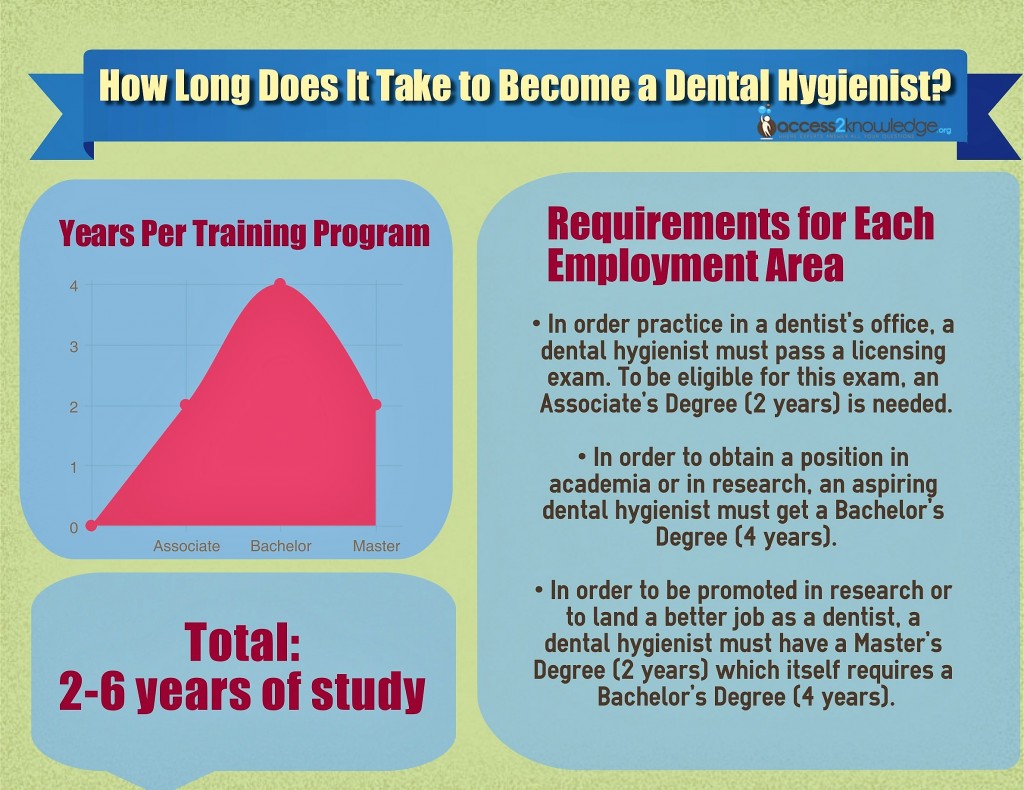
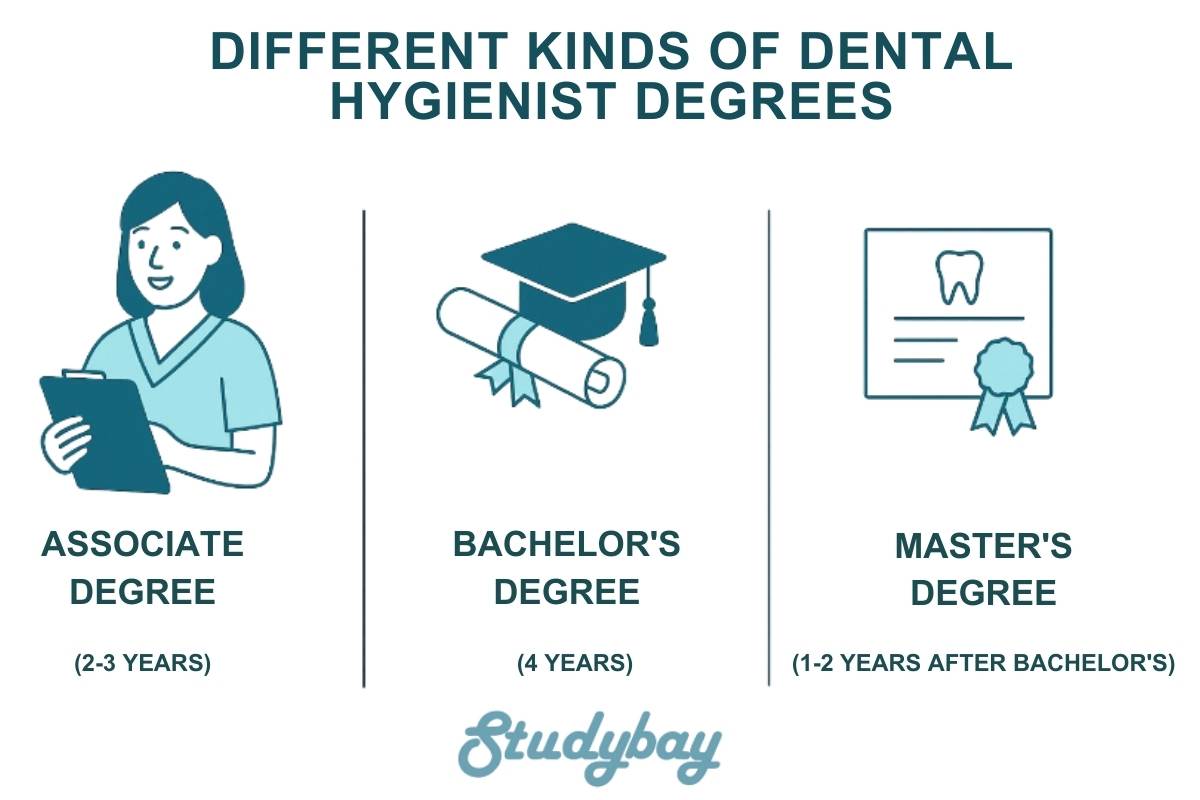
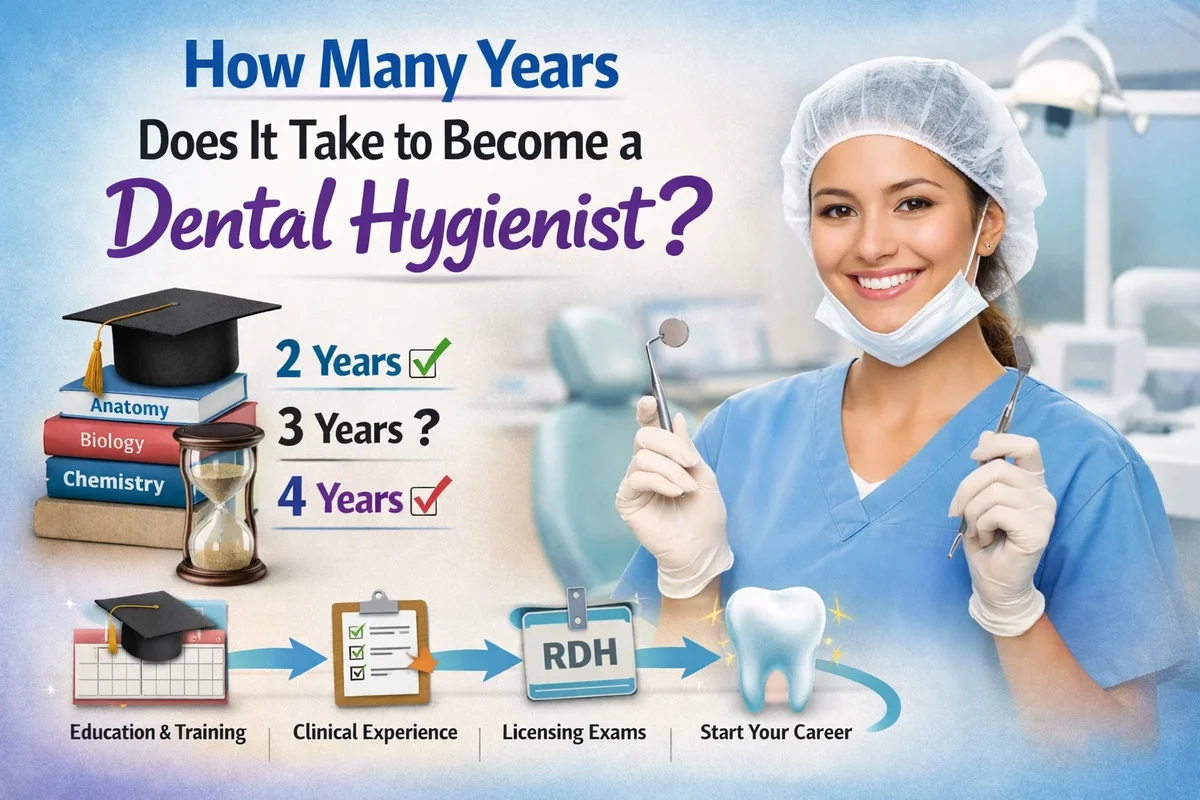
In most cases, you’re looking at two to four years of school, depending on the path you choose. That’s longer than a Kardashian marriage, but shorter than your favorite streaming series’ hiatus. If you go the associate’s degree route, it’s usually two to three years of full-time study. Feeling ambitious? A bachelor’s degree will demand about four years—essentially a dental hygiene pilgrimage.
Yes, you could theoretically finish in 18 months if you attend a super-accelerated program. But that would require living like a vampire, subsisting on energy drinks, and memorizing the human gum line in your sleep. Unless you enjoy crying into a textbook at 3 a.m., stick with the standard timeline.
Must Read
The Secret Ingredient: Prerequisites
Here’s the plot twist they don’t tell you in high school: you can’t just waltz into hygiene school. First, you need to complete prerequisite courses. We’re talking anatomy, chemistry, microbiology—the kind of classes that make your brain sweat.
These prerequisites can add another year or more before you even touch a scaler. So total time? Easily three to five years from “zero” to “clean teeth professionally.”
One surprise fact: you must take a class on dental radiology—learning how to x-ray someone’s jaw without making them glow. It’s like photography, but with radiation and less Instagram filters. You’ll also need a course in periodontics, which is just a fancy way of saying “anger management for gums.”
The Clinical Hours (Where the Silliness Begins)
Once you’re in a hygiene program, you won’t just sit in a chair. You’ll spend hundreds of hours practicing on real patients, often in a school clinic. Imagine a room full of nervous strangers with mouths open like baby birds. Your job is to scrape, polish, and not gag when they breathe on you.
One motormouth hygiene student told me, “I spent six months cleaning the teeth of a man who ate only garlic and regret.” You’ll also learn to remove calculus—that’s not math, it’s rock-hard plaque. Other students call it “fossilized tarter.” And you’ll have to pass a board exam where a live patient lets you go to town on their molars. Sweating is optional, but highly recommended.
 The Ultimate Guide to a Career in Dental Hygiene: Education, Licensure
The Licensing Gauntlet (A Comedy of Errors)
After you graduate, you don’t just get a badge and a scaler. Oh no. You must pass two national board exams—one written, one clinical. The clinical exam famously involves finding a patient with a specific amount of plaque, which is like finding a unicorn with dental insurance. People have literally flown across states to drag a friend with “the right gums” to their test.
Many states also require a law and ethics exam. That’s where they ask you, “If a patient cries because you hurt them, do you a) apologize, or b) offer them a lollipop?” The correct answer is always a, but the lollipop option is tempting. Once you pass all this, you get a license to scrape—and possibly a new appreciation for sedation.
The Surprising Shortcut You Haven’t Heard About
Here’s a wild fact: some dental hygiene programs are accredited for 12-month tracks. These are intense, full-time, no-break marathons. You’ll be in class from sunrise to sunset, eating granola bars while studying the lingual surface of lower incisors. It’s basically dental boot camp. But it exists, and it can shave a year off your life—er, your timeline.
But wait—not everyone qualifies for those fast tracks. You usually need prior college credits (like a bachelor’s in something else) or a background in health care. So unless you’re already a phlebotomist with a secret love of saliva, expect the slower ride.
 How Many Years Does It Take to Become Dental Hygienist
The Real Timeline: A Little Math
Let’s do some napkin math. Let’s say you have zero college credits right now. You’ll spend one year on prerequisites, then two years on an associate’s program. That’s three years total—plus a few months for exams and licensing. If you choose a bachelor’s, add a year for internships and extra flossing theory.
One hilarious truth: job shadowing isn’t required, but it should be. You’ll want to sit in a real hygienist’s chair for at least a day. You’ll quickly learn that patients lie about flossing, and that “just a little more” means “I’ll be here for eternity.” Still, the pay is solid—around $80,000 a year on average—which makes up for all the spit-induced nightmares.
Final Verdict: Should You Do It?
If you’re patient enough to spend years learning about tooth anatomy but impatient enough to want a career fast, dental hygiene might be your jam. It takes three to five years to go from civilian to certified gum guardian. That’s less time than most marriages, but more time than a Kardashian has spent listening to advice.
So pack your face mask, buy a good back brace, and prepare to ask hundreds of strangers, “Have you been flossing?” The answer will always be a lie. But hey, you’ll be done in a few years—and then you can afford to take a vacation where nobody opens their mouth near you. Just don’t forget to bring your own scaler. You never know when you’ll need to clean a souvenir.
