How Long Does Imitation Vanilla Last

Let’s be real—imitation vanilla is the unsung hero of the kitchen drawer. For millions of families, it’s the affordable go-to that makes cookies, cakes, and puddings taste lik...
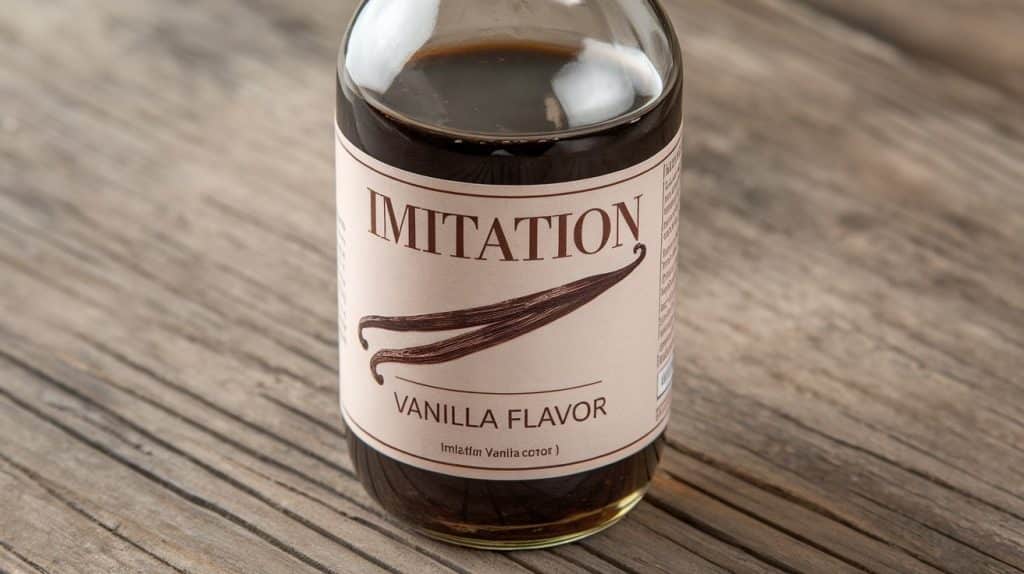
Let’s be real—imitation vanilla is the unsung hero of the kitchen drawer. For millions of families, it’s the affordable go-to that makes cookies, cakes, and puddings taste like a hug. You might have a bottle tucked away, a little dusty, and you’re probably wondering: how long does this stuff actually last? Spoiler: it’s got a longer shelf life than your New Year’s resolutions. But knowing its durability matters more than you think—it saves money, reduces waste, and keeps your baking game strong without panic-buying.
Why does the shelf life matter beyond just a date on a label? For individuals, it means fewer trips to the store and a reliable flavor bomb for spontaneous baking nights. For families, it’s a budget-friendly staple that lets kids whip up cupcakes without breaking the bank on pure vanilla extract. And for communities—like church bake sales or school fundraisers—imitation vanilla’s long life ensures you can stock up and not worry about spoilage. Nobody wants to toss a half-full bottle because it “smelled off.” That’s just throwing money down the drain.
Real-life example: my neighbor Lisa keeps a bottle of imitation vanilla in her pantry for over four years. She bakes her famous sugar cookies every Christmas, and they’re a hit. Another friend, a busy mom of three, uses it in quick pancake mix on rushed mornings. The trick? Imitation vanilla doesn’t go bad in the way milk does. It’s mostly synthetic vanillin, alcohol, and water, so it stays edible for years—often indefinitely, though flavor fades after about 18 to 24 months if opened. Unopened, it can last a decade or more. That’s a win for lazy bakers and thrifty souls alike.
Must Read
So, how do you make it work for you? First, store it in a cool, dark cabinet away from the stove or sunlight. Heat and light are its enemies, speeding up flavor loss. Second, check the cap after each use—wipe it clean to avoid sticky crusts. Third, don’t toss it if it’s “expired”; give it a sniff. If it smells like vanilla alcohol, it’s fine. Only ditch it if it smells bad—like chemical or rancid. For routine use, replace it every two years to keep your baked goods punchy. And here’s a pro tip: buy smaller bottles if you bake only occasionally—freshness in a jumbo bottle isn’t worth the gamble after year three.
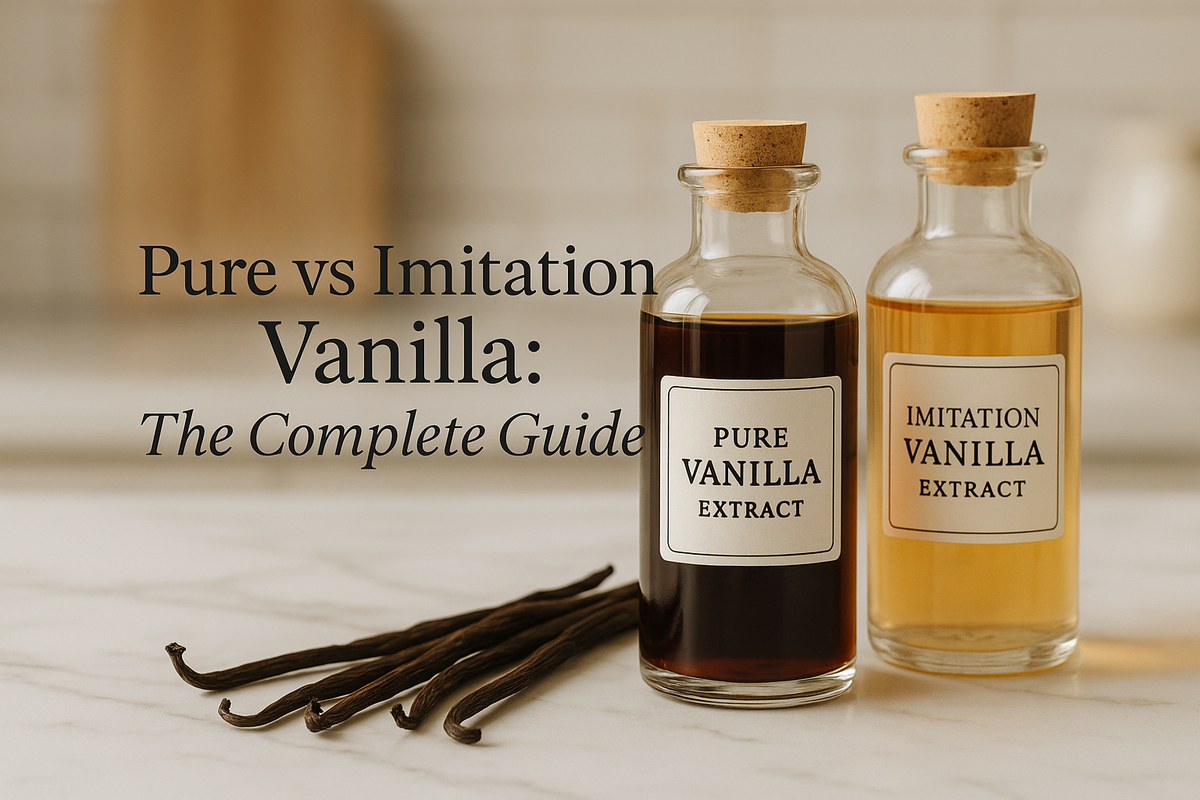 Pure vs Imitation Vanilla Extract Guide - VanillaPura
Imagine this: a Saturday morning, you’re making French toast, and your vanilla bottle is from 2020. You pour a splash, the scent is still sweet and strong. That’s the beauty of imitation vanilla—it’s like a loyal friend, sticking around for the long haul. Practical application is dead simple: mark the purchase date with a sharpie on the bottle, and you’re golden. No stress, no waste.
In the end, imitation vanilla’s longevity is a quiet gift. It keeps your family desserts consistent, your budget intact, and your community events sweet. Whether you’re a college student making dorm-room mug cakes or a grandma dusting off an old recipe, this humble bottle has your back. So relax—that bottle in your pantry isn’t going rogue anytime soon. It’s a reliable, low-maintenance hero that proves good things don’t need to be fancy to last.
