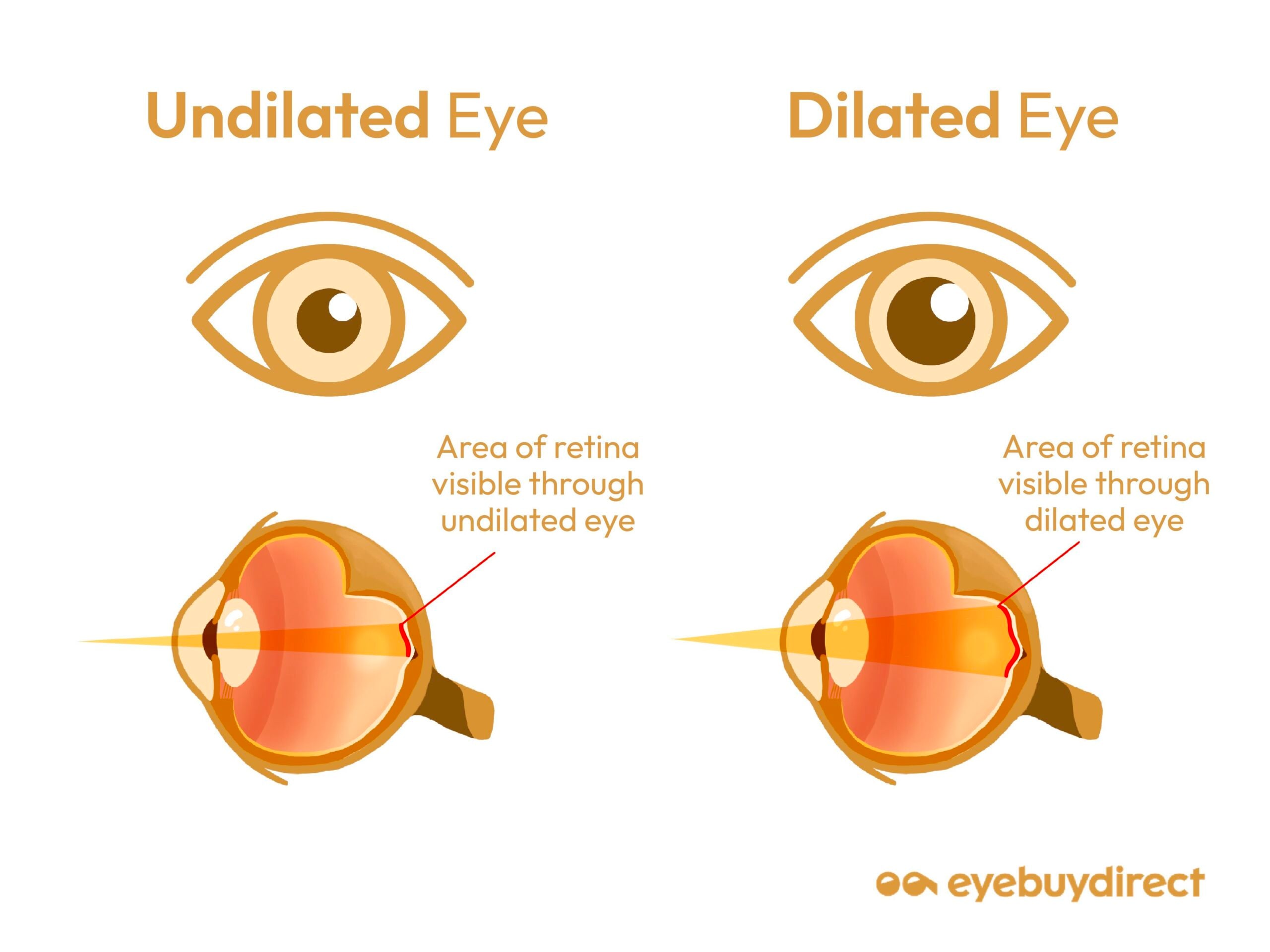
How Long Does Eye Dilation Take To Wear Off

Let’s be real: there is nothing quite like the moment you walk out of the eye doctor’s office and realize the world has turned into a blurry, squinty, light-sensitive nightmar...
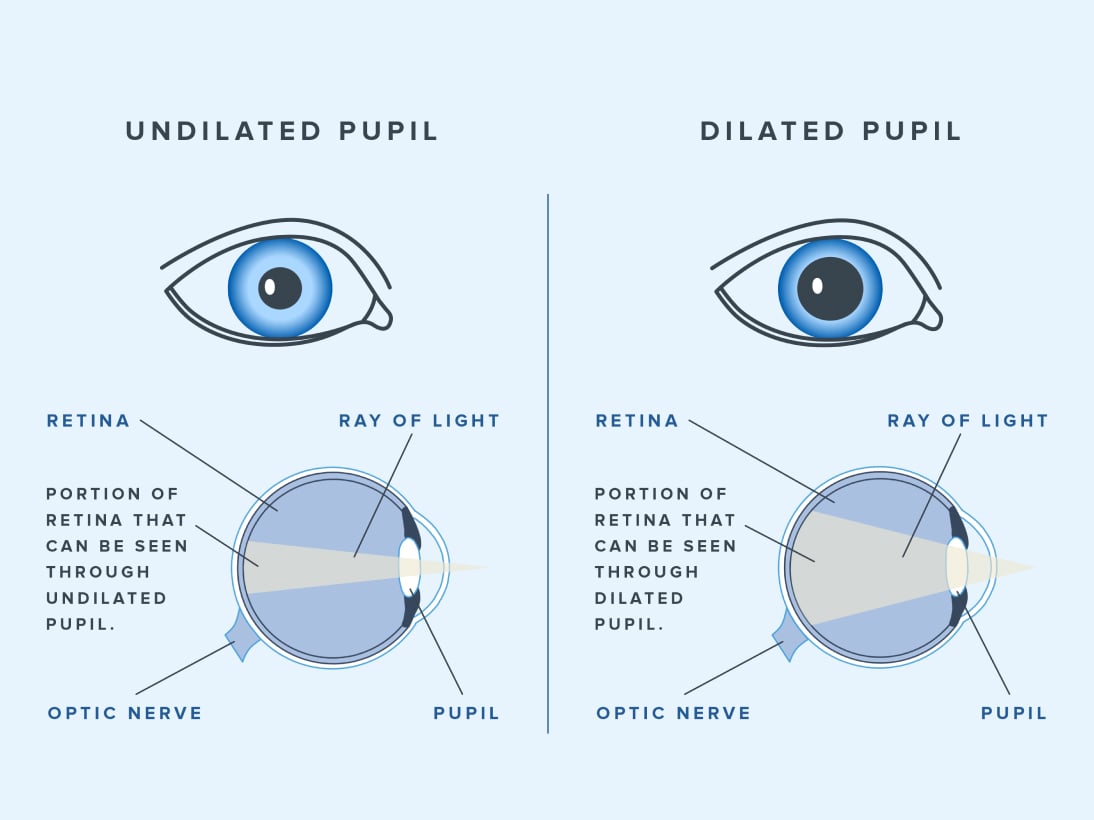
Let’s be real: there is nothing quite like the moment you walk out of the eye doctor’s office and realize the world has turned into a blurry, squinty, light-sensitive nightmare. You’re wearing those dorky paper sunglasses, the sun is your sworn enemy, and you’re pretty sure you just waved at a mailbox thinking it was your Uber. We’ve all been there. So, the million-dollar question: how long does eye dilation actually take to wear off? Grab a pair of real sunglasses, and let’s chat.
First, the straight talk. The standard answer is four to six hours for most people. But—and here’s the kicker—your eyes aren’t robots. They operate on their own weird schedule. If you got the classic dilating drops (usually tropicamide or phenylephrine), you’re looking at that four-to-six-hour window. Your pupils will be about as useful as a screen door on a submarine for the first two hours, then slowly start to behave like normal, boring pupils by dinnertime. But if your eye doc decided to go full “let’s see everything, including your soul” mode and used something like atropine (often for kids or certain conditions), brace yourself. That stuff can last up to 24 hours, or even a few days. Yes, days. You’ll become a vampire who loves darkness and mystery. It’s a whole lifestyle.
Now, what actually affects the timeline? Age is a big one. Kids and young adults? Their eyes are like overeager puppies—they bounce back faster, sometimes in as little as two hours. Older folks? Their eyes take their sweet time. It’s like they’re retired and don’t care about your schedule. Also, your eye color matters (nature is so extra). People with lighter eyes (like blue or green) tend to stay dilated longer because their irises have less pigment to fight the drops. Brown-eyed people, your melanin is doing the heavy lifting—you might be back to normal in three hours. So yes, you brown-eyed beauties, you win this round.
Must Read
But let’s talk about the actual experience. For the first hour or two, you’ll feel like you’re living inside a low-budget sci-fi movie. Your near vision will be toast—good luck reading a text message. You’ll hold your phone at arm’s length like you’re 90 years old. And the light? Oh, the light. It will attack you. Pro tip: wear those paper sunglasses with pride. Or better yet, bring your own polarized sunnies. You can also try the “squint and hope” technique, which is scientifically proven to be 0% effective but feels heroic.
Ways to speed things up? Spoiler: you really can’t. There’s no magic trick. Putting on dark glasses doesn’t make the drops wear off faster—it just makes life bearable. Some old wives’ tales suggest drinking lots of water or taking a nap, but honestly, that just helps you wait it out. And please, for the love of all that is holy, do not rub your eyes. That won’t help, and you might look like a raccoon by tomorrow.
 How To Make Eye Dilation Go Away Faster
So, how long does it take? Eventually. And that’s the good news. By the time you’ve fumbled your way through a coffee order, apologized to a lamp post, and watched three hours of TV with the brightness turned down to sloth-level, your pupils will start to remember their job. You’ll blink, and the blur will lift like a fog. You’ll step outside, and the sun won’t feel like a personal insult. You’ll be back.
So here’s your uplifting takeaway: eye dilation is a temporary, ridiculous detour in an otherwise fabulous day. It’s a reminder that even when things are blurry, uncomfortable, and a little weird, they always—always—clear up. And honestly, don’t we all need a permission slip to be a little blurry-eyed and clumsy for a few hours? It’s the universe’s way of saying, “Hey, slow down, put on some shades, and give yourself a break.” So go ahead, rock those paper glasses. You look adorable. And in six hours, you’ll be seeing clearly enough wink at yourself in the mirror.