How Long Does Chicken Bouillon Last After Expiration Date

Alright, let’s talk about that dusty jar of chicken bouillon lurking in the back of your pantry. You know the one—the label is a little smudged, and the expiration date is so...

Alright, let’s talk about that dusty jar of chicken bouillon lurking in the back of your pantry. You know the one—the label is a little smudged, and the expiration date is so far in the rearview mirror you’d need binoculars to read it. We’ve all been there. You’re staring at it, thinking, “Is this a flavor time bomb, or a one-way ticket to a kitchen disaster?” Fear not, my friend. Let’s unpack this savory little mystery together.
First, let’s get real about expiration dates. They’re not a magic switch where the bouillon suddenly turns into a villain at midnight. “Best by” or “use by” dates are really just the manufacturer’s suggestion for peak quality, not a hard-and-fast safety deadline. Think of it like your favorite pair of jeans—they still fit, even if the label says “pre-worn 2019.” So, how long does chicken bouillon actually last after that date? Spoiler alert: it’s surprisingly long.
For powdered or cube bouillon, if it’s stored in a cool, dry place (like a pantry, not a steamy cabinet above the stove), it can last one to two years past the printed date. Seriously. It’s like the cockroach of the seasoning world—almost impossible to kill. The key is moisture. If you keep that lid screwed on tight and avoid introducing water (i.e., don’t dip a wet spoon in there), the granules will stay fluffy, salty, and ready for action. Pro tip: If it clumps into a solid brick, it’s not spoiled—it’s just “artisanal” and might need a little whack with a spoon.
Must Read
Now, liquid or paste bouillon (the kind in a squeeze tube or glass jar) is a slightly different story. Because it contains moisture, it has a shorter grace period—typically six months to a year past the date. But don’t panic! If it smells fine, looks normal (no mold, no weird separation), and doesn’t make you recoil like you’ve smelled a wet sock, you’re in business. Your nose is your best friend here. If it passes the sniff test, it’s almost certainly safe.
But what about signs that it’s time to say goodbye? Here’s your checklist. If you see mold (green or fuzzy—yuck), if it smells rancid or “off” (like old cheese or stale nuts), or if the color has dramatically changed to something alarming (like olive green instead of golden yellow), toss it. Also, if you taste a pinch and it’s just flat or bitter, it’s past its prime—but not dangerous. Your soup will just taste like a sad apology.
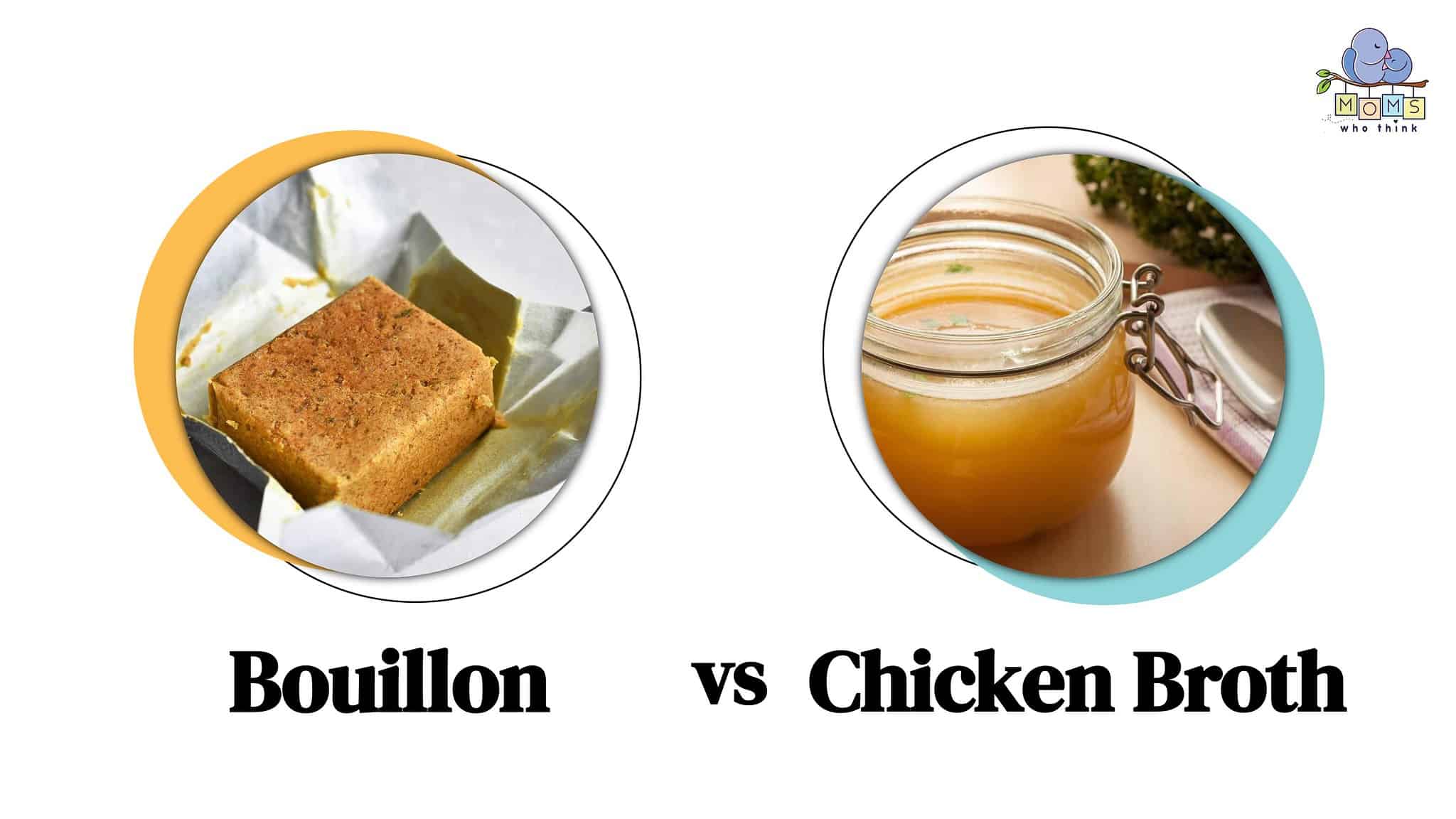 How Long Is Chicken Bouillon Good For? A Complete Shelf Life Guide
And here’s a little secret: expired bouillon is often perfectly safe because it’s loaded with salt and preservatives. Bacteria hate salt the way I hate folding laundry—avoid it at all costs. So even if the flavor fades a bit after two years, the risk of food poisoning is almost nil. Just add a little extra bouillon to compensate for the “gentle” flavor.
Now, let’s end on a high note—because that’s how we roll. That jar of bouillon? It’s not a ticking clock; it’s a survivor. It’s waited patiently for you, dreaming of becoming a glorious broth or a secret weapon in your rice. So go ahead, open it up, give it a sniff, and if it passes, pour it into your pot with confidence. You’re not risking a thing—you’re just giving your pantry a little bonus flavor. And if it doesn’t work? Hey, you tried. That’s more than most spices ever get.
So here’s to you, brave culinary explorer: your soup will be delicious, your leftovers will be legendary, and your expired bouillon will rise again. After all, in the world of cooking, the only real expiration date is the one you put on your willingness to experiment. Now go make some broth—and smile while you do it.
