How Long Does Chicken Bouillon Last

You know that neglected little jar or cube of chicken bouillon lurking in the back of your pantry? It’s probably feeling pretty lonely right now. Before you toss it in a pot o...
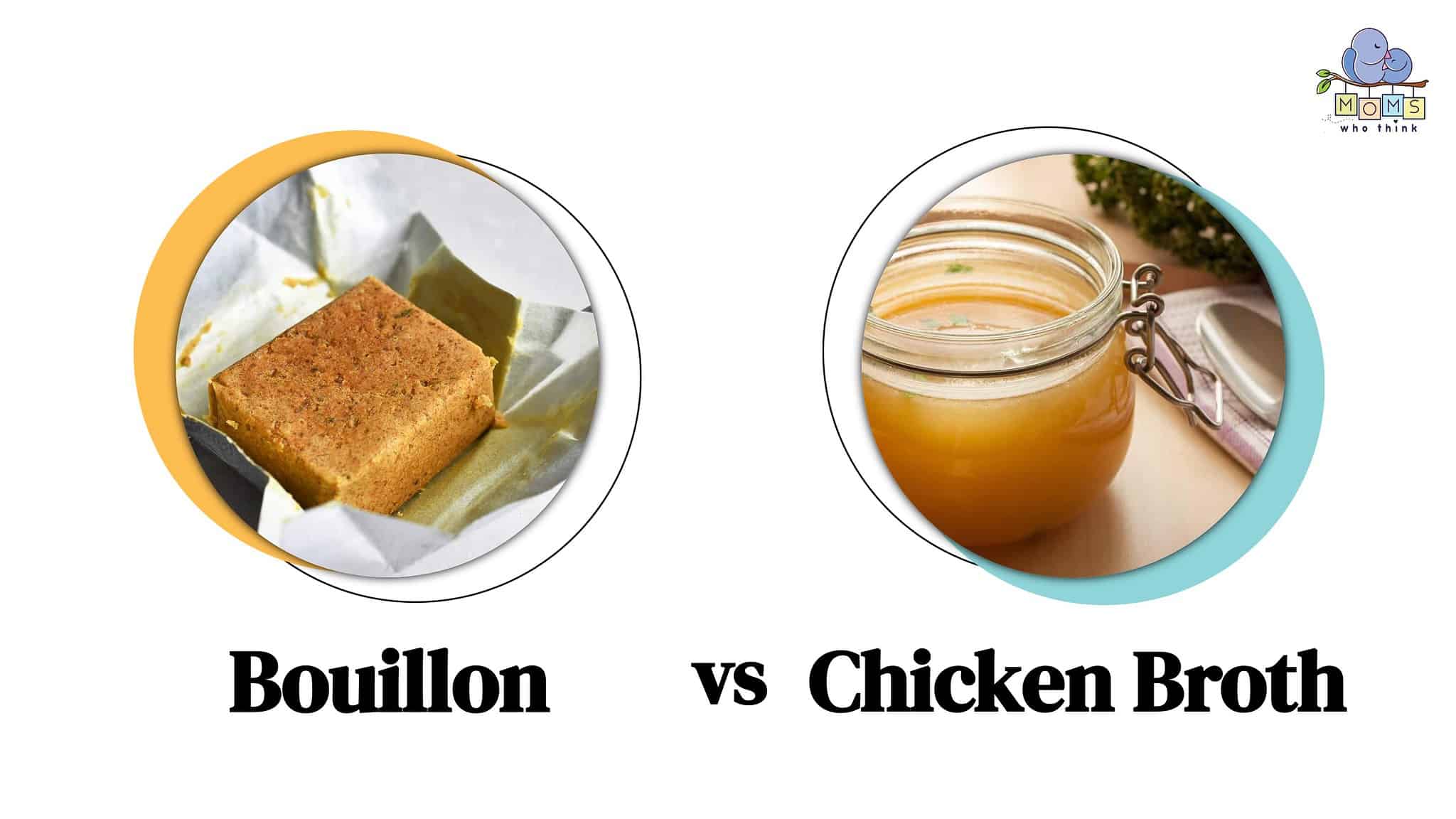
You know that neglected little jar or cube of chicken bouillon lurking in the back of your pantry? It’s probably feeling pretty lonely right now. Before you toss it in a pot of soup and risk a culinary crime scene, let’s talk about how long this salty savior actually sticks around. Spoiler alert: it might outlast your last relationship.
The Unopened Kingdom
A sealed jar of chicken bouillon powder or cubes is basically immortal. We’re talking two to three years past its "best by" date, easy. It’s like the cockroach of the pantry—it just won’t die.
Why? Because it’s crystallized, dehydrated, and packed with enough salt to preserve a small mummy. The only thing that kills it is moisture, which turns your bouillon into a solid brick of “oops.” Keep it dry, and it will wait for you like a loyal, salty dog.
Must Read
The Opened Portal
Once you crack that lid, the clock starts ticking, but it’s a very generous clock. Opened bouillon cubes or powder last about one year in a cool, dark place. After that, the flavor fades like a bad dream.
Think of it this way: after a year, your bouillon is still safe to eat, but it tastes like a memory of chicken. Kind of like how grandma’s chicken soup tastes after she’s forgotten the actual chicken. You can still eat it, you just won’t be amazed.
The Refrigerator Loophole
Here’s a pro tip your great-grandma never knew: stick that opened jar in the fridge. This extends its life by another six to twelve months. The cold slows down the flavor gremlins that nibble away at your broth’s soul.
Don’t worry about it freezing—it’s mostly salt and MSG, which laugh in the face of subzero temperatures. Just make sure the lid is on tight, unless you want chicken-scented yogurt. Trust me, that is not a flavor anyone wants in their raspberry parfait.
The Liquid Lie (Soup Base)
If you’re brave enough to buy liquid chicken bouillon concentrate, you’re dealing with a different beast. That stuff lasts about six to nine months in the pantry after opening, but only if you don’t double-dip your spoon.
A single rogue crumb from your cracker can introduce a bacteria rave in that bottle. If it grows fuzzy green mold, do not scrape it off and call it “herbs.” That’s nature’s way of saying, “Buy some damn new bouillon.”
 How To Tell If Chicken Broth Is Bad? - Cully's Kitchen
The Shockingly True Fact
Here’s the part that will make you gasp: chicken bouillon has more sodium per teaspoon than a bag of potato chips. That’s why it lasts so long! It’s essentially salt with a chicken ghost haunting it.
In fact, some bouillon cubes are so stable that archaeologists in 200 years could unearth your pantry and still make a decent broth. They’d probably create a new holiday: “National Day of the Mysterious Salty Brick.” You’re welcome, future historians.
When to Say Goodbye
How do you know your bouillon has kicked the bucket? First, if it’s harder than a hockey puck and you need a chisel to break it. Second, if the powder smells like old socks or an abandoned basement.
A color change is another red flag. Fresh bouillon is pale yellow; if it turns dark brown or greenish, that’s not “aged to perfection.” That’s a science experiment you don’t want in your stomach. Toss it, and say a small eulogy for the chicken that gave its all.
The Big Picture
So, the honest answer: unopened chicken bouillon lasts indefinitely for safety, but two to three years for peak flavor. Opened, it’s about a year in the pantry, or two years in the fridge. Liquid concentrate tops out at about a year, if you’re clean.
But here’s the real takeaway: your taste buds are the final judge. If a spoonful of your bouillon makes you go, “Hmm, that tastes like sadness and dust,” it’s time to restock. Otherwise, simmer on, my friend. That little jar of salty magic has got your back for many soups to come.
Just don’t ask it to make you breakfast. That’s where I draw the line.
