How Long Do You Cook Meatloaf At 400

There’s something deeply satisfying about a perfectly cooked meatloaf. It’s the kind of meal that feels both nurturing and unpretentious, a comfort food that brings people tog...
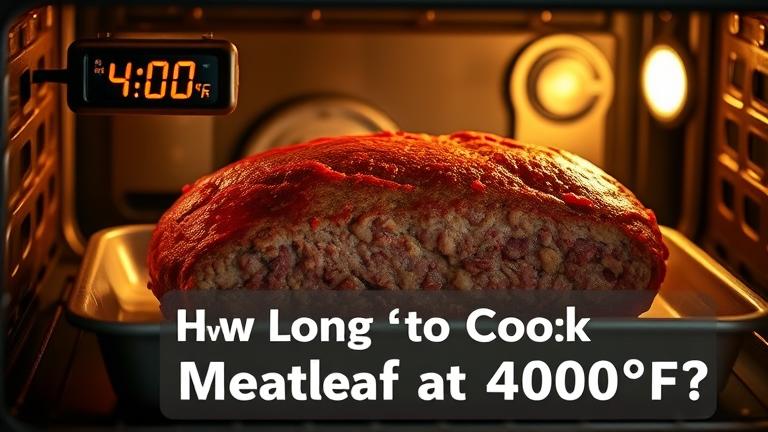
There’s something deeply satisfying about a perfectly cooked meatloaf. It’s the kind of meal that feels both nurturing and unpretentious, a comfort food that brings people together around the table. For home cooks, mastering the timing and temperature is a rite of passage—and once you nail it, you unlock a world of easy, crowd-pleasing dinners. The main purpose of knowing how long to cook meatloaf at 400°F is simple: you get a juicy, tender interior with a beautifully caramelized crust, all in less time than the traditional 350°F method. This benefit appeals to busy families, weekend meal-preppers, and even novice cooks who want a reliable, forgiving recipe. Variations like a classic beef-and-pork blend, a turkey version with hidden veggies, or a smoky bacon-wrapped loaf all thrive at this higher heat.
So, how long do you actually cook it? For a standard 2-pound meatloaf baked at 400°F, plan on about 45 to 55 minutes. This is a general guideline, but the real secret lies in checking internal temperature—your meatloaf is fully cooked when it reaches 160°F in the center. Use an instant-read thermometer for peace of mind. If your loaf is smaller, say 1 pound, it might be done in 30–35 minutes; a larger, 3-pound loaf could need 60–70 minutes. The key is to avoid overcooking, which turns a moist loaf dry and crumbly. Always let the meatloaf rest for 10 minutes after removing it from the oven—this allows the juices to redistribute, making every slice perfectly tender.
One common mistake is assuming the meatloaf’s shape and pan choice don’t matter. They do. A flatter, wider loaf cooks faster than a tall, domed one. For the best results at 400°F, shape your meatloaf into a free-form loaf on a lined baking sheet, rather than burying it in a loaf pan. This exposes more surface area to the hot air, giving you that coveted crusty exterior while the inside stays moist. If you prefer a more traditional shape, use a metal loaf pan (not glass), and consider placing it on a baking sheet to catch any overflow. Do not cover it with foil during cooking, or you’ll steam the meatloaf and lose the browning.
Must Read
A great way to tell if your meatloaf is on track is to watch the visual cues. Around the 35-minute mark, it should be deeply browned and pulling away slightly from the pan edges. If the top is getting too dark too quickly, you can tent it loosely with foil for the last 15 minutes of baking. But for that perfect balance, let it roast uncovered for the entire time—just keep an eye on it. A glaze brushed on during the last 10 minutes (think ketchup, brown sugar, and a dash of Worcestershire) will caramelize beautifully, adding flavor and shine. Patience is your friend here; resist the urge to cut into it early.
Not all meatloaves are created equal, and your choice of meat matters. A blend of 80/20 ground beef with ground pork yields a rich, moist loaf that handles high heat well. Ground turkey or chicken is leaner, so it can dry out at 400°F; to compensate, add a grated onion, some olive oil, or an extra egg. You’ll also want to check the internal temperature of poultry meatloaves at 165°F. For a vegetarian lentil-loaf version, 400°F works, but bake it for a shorter time—around 30–35 minutes—since it’s denser and already cooked through. Always test your specific recipe the first time, and write down the perfect timing for future use.
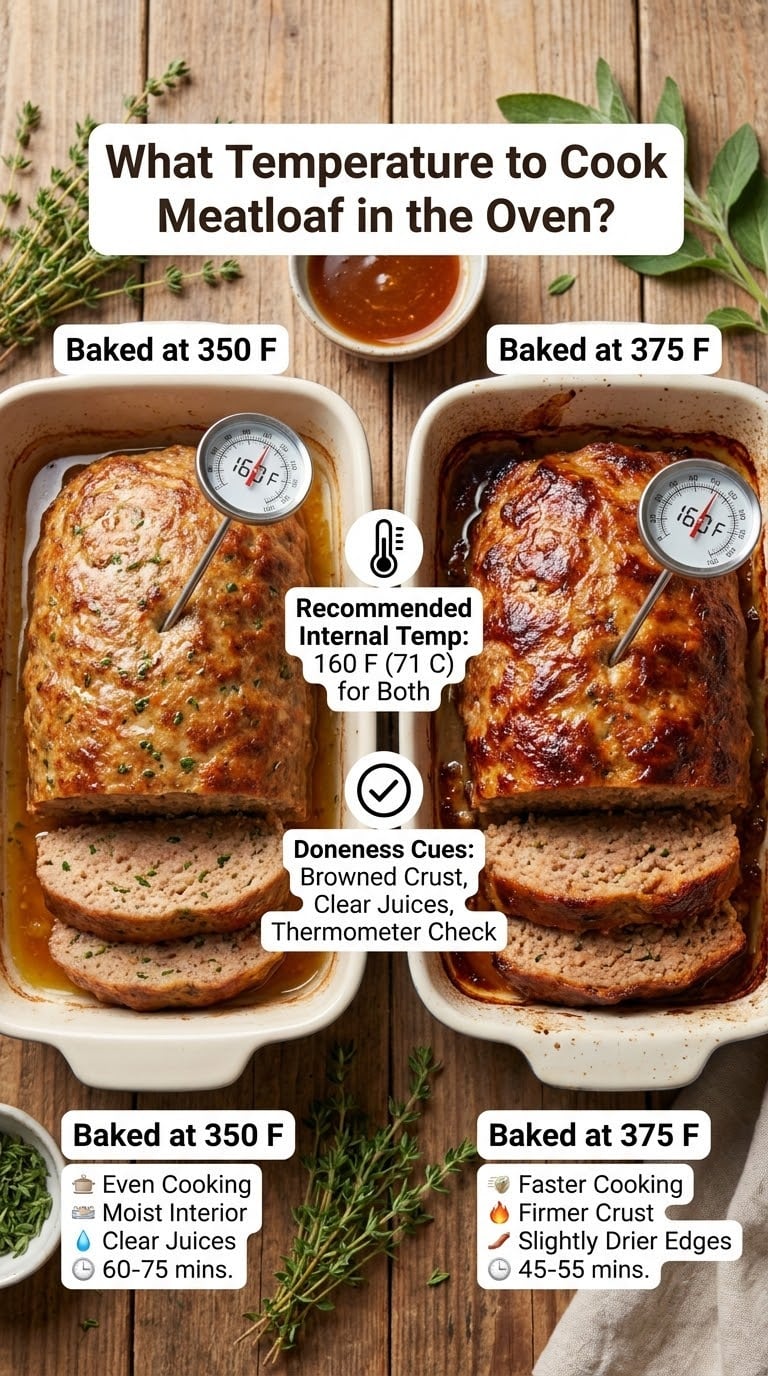 What Temperature to Cook Meatloaf in the Oven? Easy 2026
To make the most of your 400°F oven, consider cooking side dishes alongside the meatloaf. Roasted vegetables like carrots, potatoes, or broccoli thrive at the same temperature; just toss them in oil and seasonings, and slide them in on a separate tray. They’ll be ready in about 30–40 minutes, right when your meatloaf is resting. This one-pan approach saves time and cleanup, turning a weeknight dinner into an effortlessly satisfying experience. You can even stir together a quick salad or mash while the oven does the heavy lifting.
Finally, remember that cooking meatloaf at 400°F is about confidence and adaptability. Don’t fear the higher heat—it’s actually more forgiving for many recipes than the lower, slower method. If you’re unsure, stick with the thermometer and a timer, and trust that a little browning on the edges is a good thing. Adjustments are easy: if your loaf looks done but the center is still under 160°F, give it 5–10 more minutes and recheck. Meatloaf is forgiving; it rewards you for paying attention. So preheat that oven, get your hands in the mix, and enjoy the simple pleasure of a hearty, home-cooked meal that brings everyone a little closer.
